

Hearing in Apple's trade secret lawsuit against OpenAI set for July 19, 2027
US District Judge Edward Davila has set July 19, 2027 as the hearing date in Apple's lawsuit against OpenAI, io Products and two former Apple employees.
· · 2 min read
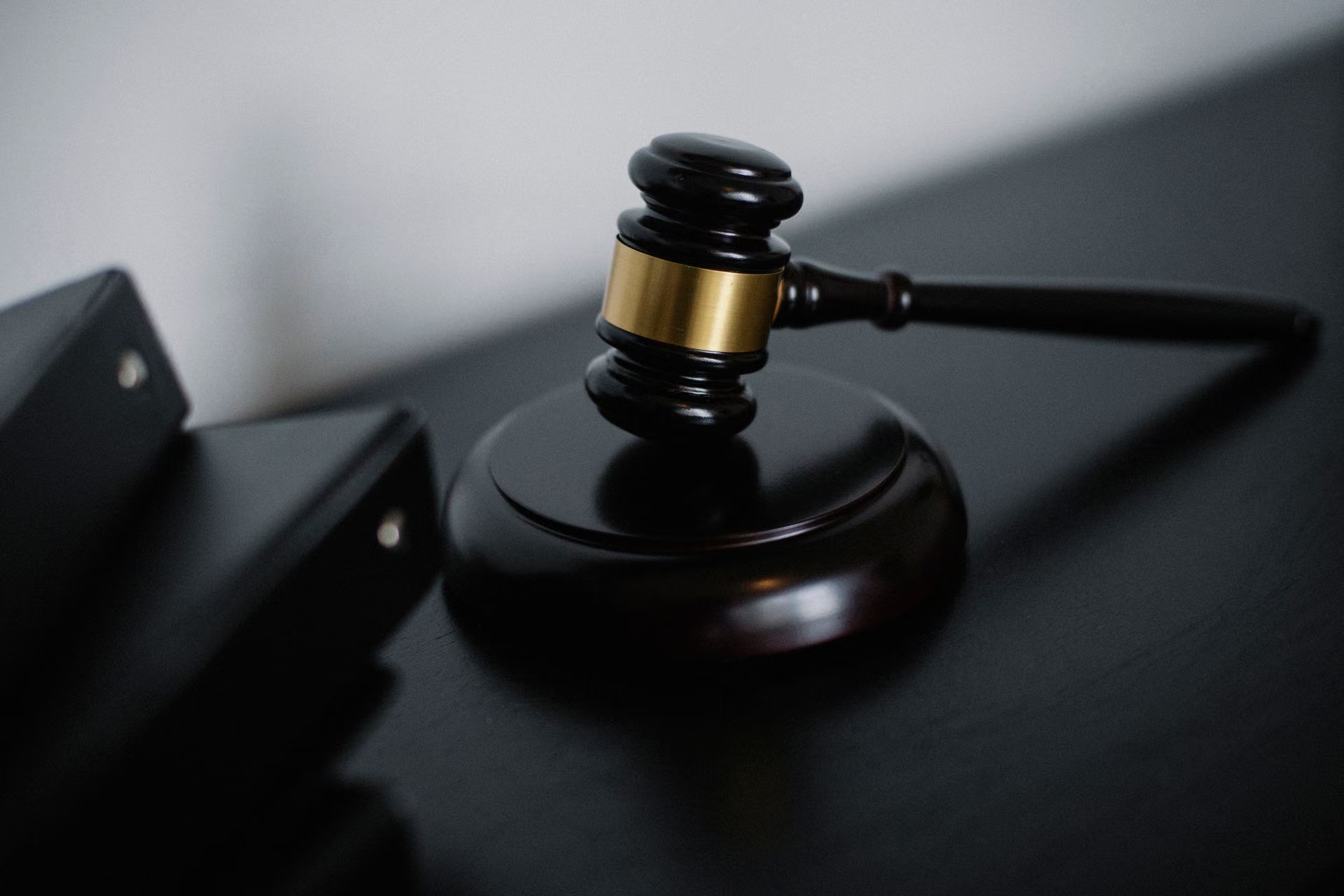
US District Judge Edward Davila has set the hearing date in Apple's trade secret lawsuit against OpenAI and the other defendants. After reviewing the schedule submitted by the parties, the court decided the case will be heard on July 19, 2027.
Schedule leading up to the hearing
Under the schedule set by the court, the parties must complete document sharing, evidence collection and expert report procedures before the hearing date. Document production is planned to be largely concluded by February 5, 2027. Evidence collection is expected to end on March 12, 2027.
The parties' claims and defenses will be examined in court after the document sharing and evidence collection stages.
Subject of the case and the parties
Apple alleges that two former employees misused trade secrets related to the company's confidential product and technology information. The company claims this information was used to help OpenAI's hardware development work. The defendants include former Apple employees Chang Liu and Tang Yew Tan, as well as OpenAI and io Products.
Background
At an earlier stage of the case, Judge Davila partially granted Apple's request for expedited evidence collection. Under that ruling, OpenAI will hand over documents such as checklists, guides, instructions and interview texts from some job interviews it held with Apple employees for positions on its consumer hardware and robotics teams. The court also allowed the sharing of LINE messages between Chang Liu and Alyssa Peng, and opened the way for depositions of Liu, Peng and Tang Yew Tan.
The court did not grant all of Apple's requests. Its request for expedited access to OpenAI's research and development work in areas such as metal surfaces, power management and battery technologies was rejected. Apple's allegations have not yet been confirmed by the court; that ruling was not a judgment on the merits of the case but allows Apple earlier access to certain evidence.
Science guides
- What is the winter solstice, and when is the longest night of the year?The winter solstice is the moment the Sun reaches its southernmost position in the sky for the Northern Hemisphere. It usually falls on 21 December (22 December in some years), bringing the shortest day and longest night.
- How do lunar and solar eclipses happen, and how can you watch them safely?In a solar eclipse the Moon passes between Earth and the Sun; in a lunar eclipse Earth passes between the Sun and the Moon. Never watch a solar eclipse with bare eyes or sunglasses; use certified eclipse glasses.
- Who can donate blood, how often, and how is it done?To donate blood you need to be in good general health and meet the Turkish Red Crescent's (Türk Kızılay) age, weight and health criteria. Eligibility is decided at a pre-donation screening at the donation centre.
Comments
Sign in to comment.