

Erdoğan Seeks Nuclear Energy and High-Tech Cooperation with South Korea
Ahead of his Seoul visit, President Erdoğan discussed Türkiye-South Korea relations, the $15 billion trade target and talks on the Sinop nuclear power plant.
· 2 min read
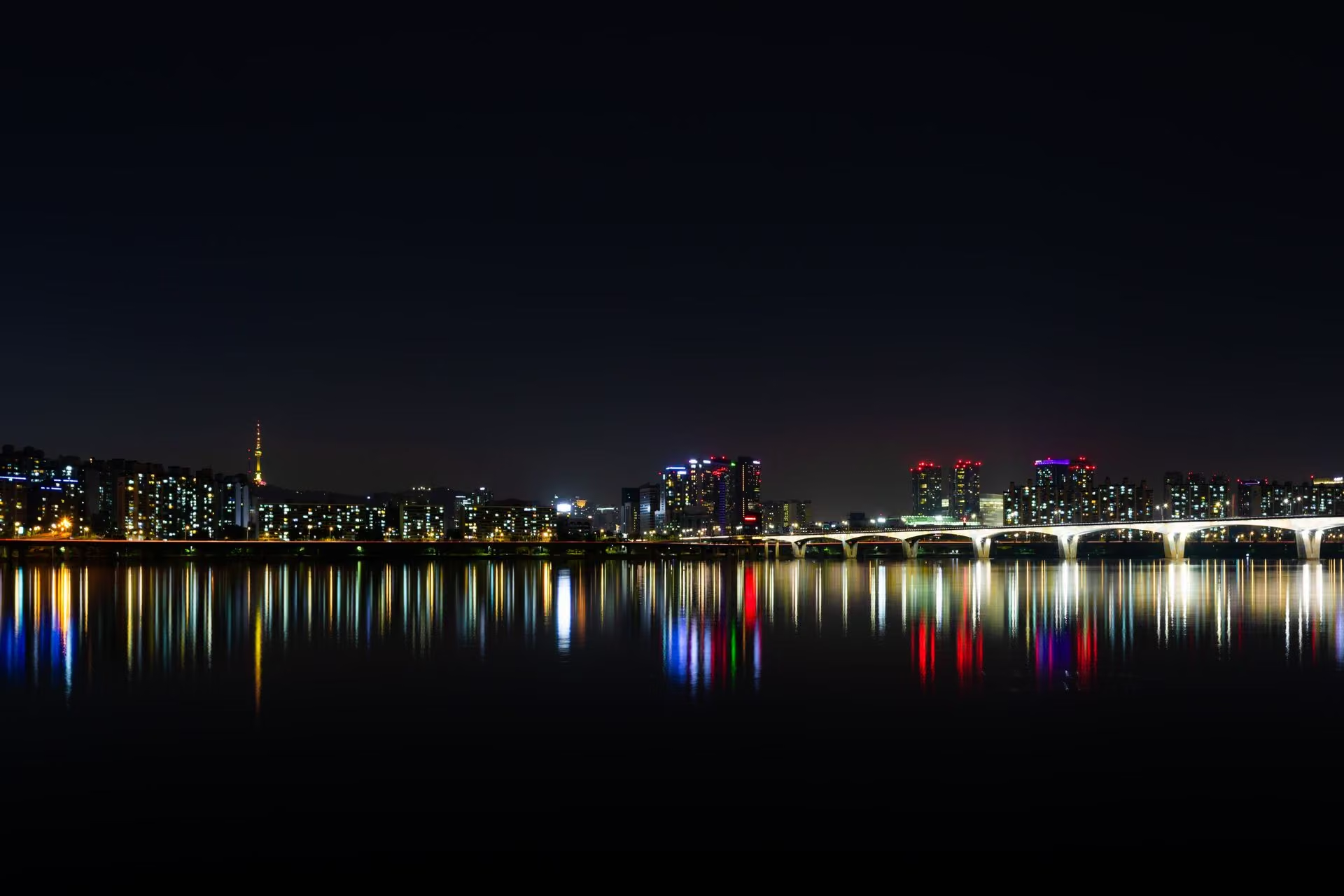
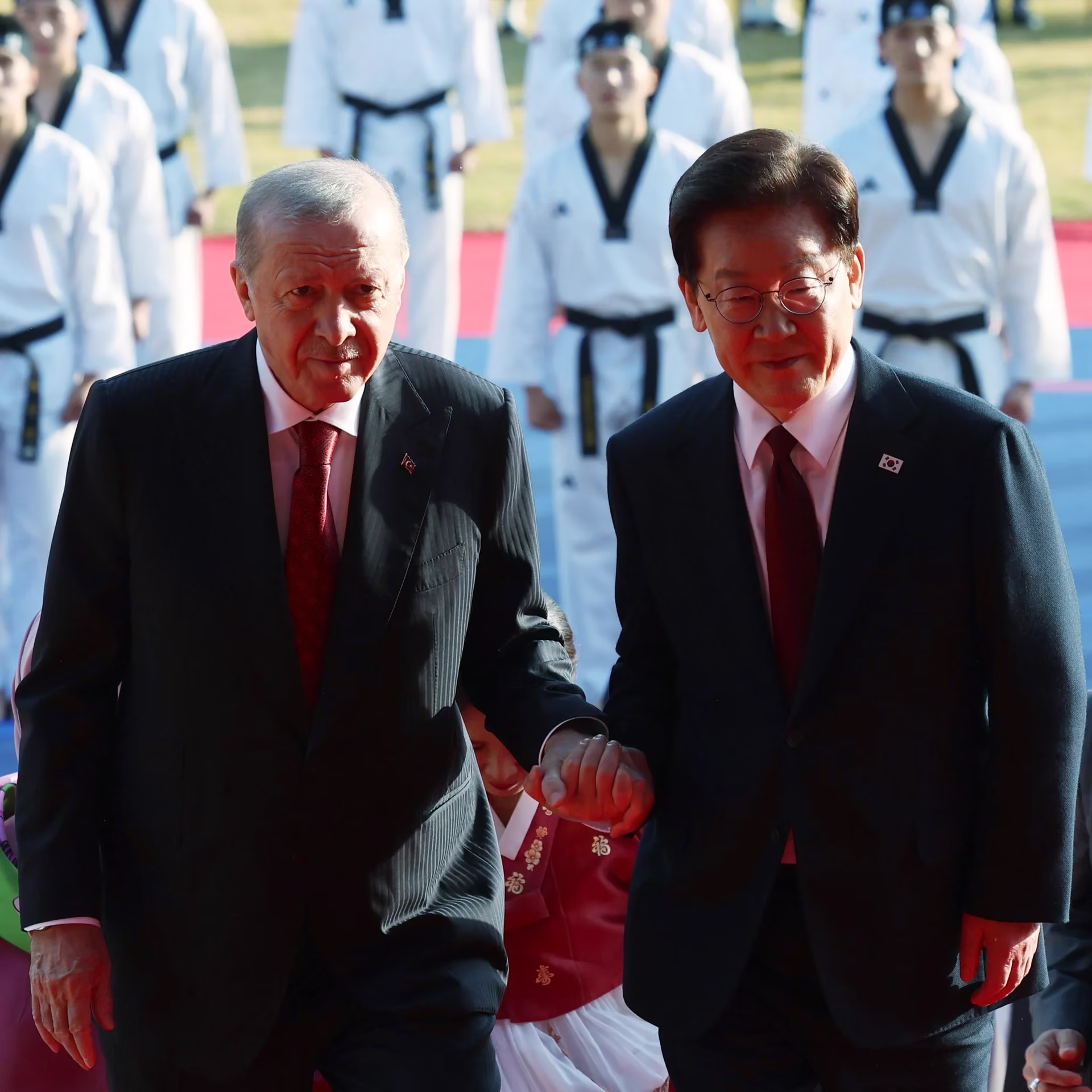
President Recep Tayyip Erdoğan assessed relations between the two countries in an interview ahead of his visit to Seoul, made at the invitation of South Korean President Lee Jae Myung. Erdoğan said they see opportunities for cooperation in defense industry, nuclear energy, high technology, artificial intelligence and renewable energy.
Erdoğan said the friendship between Türkiye and South Korea dates back to the hard days of the Korean War and has lost none of its value over the decades. He said brotherhood and mutual trust underpin relations, and that carrying this legacy to future generations is a duty. He added that he believes the visit will lead to concrete steps.
Seul ziyaretimizde önceliğimiz, iki ülke arasındaki siyasi diyaloğu güçlendirmek ve ekonomik ilişkilerimize ivme kazandırmaktır.
Recep Tayyip Erdoğan
Sinop Nuclear Power Plant
Referring to negotiations on the Sinop Nuclear Power Plant Project, Erdoğan said significant work had been carried out with KEPCO under pre-feasibility following the memorandum of understanding signed last year. Noting that evaluations of the project's technical and economic terms and investment model continue, he said the cost of producing the electricity, how the investment is financed and what the project brings to the Turkish economy will be decisive in the final decision. He added that contacts with other countries are also taken into account and all options are assessed in line with Türkiye's interests.
Emphasis on balanced trade
Erdoğan said they target a bilateral trade volume of $15 billion, while also prioritizing more balanced trade, higher investment and closer cooperation in production. Pointing to the imbalance, he said that in 2025 exports to Korea were about $1.14 billion and imports were $10.26 billion.
Saying Türkiye's production infrastructure, skilled workforce and strategic location offer opportunities to Korean investors, Erdoğan cited Hyundai's automotive production and POSCO's steel investments as concrete examples of the partnership. He welcomed Hyundai's start of electric vehicle production at its İzmit facilities. He also stressed that opportunities exist in electronics, semiconductors, machinery and industrial automation, robotics, biotechnology, pharmaceuticals and medical devices, and renewable energy. He said he was pleased with South Korea's strong interest in the PD170 engine developed by TEI, part of TUSAŞ.
Transport and logistics
Noting that serious security problems and restrictions on ship traffic in the Strait of Hormuz directly affect global energy markets and international trade, Erdoğan pointed to the vital importance of reliable alternative routes. He said Türkiye supports its strategic position between Asia and Europe with strong transport and logistics infrastructure. He said they want Korean companies to take a larger part in regional transport and logistics investments and are ready to give the necessary support to companies that invest, produce and create jobs in Türkiye.
Özellikle demir yolu altyapısı, lojistik merkezleri ve akıllı ulaştırma sistemlerinde ortak yatırımlar geliştirebiliriz.
Recep Tayyip Erdoğan
World guides
- How does the United Nations work and what does the General Assembly do?The UN, founded in 1945, is an organization where member states cooperate on peace, security, development and human rights. The General Assembly is its main deliberative body, where every member has one vote.
- What is the G20, and what is Türkiye's role?The G20 is an intergovernmental economic forum bringing together the world's major economies plus the European Union and the African Union. Türkiye has been a member since its founding in 1999.
- What is the Organization of Turkic States and which countries are members?The Organization of Turkic States is a cooperation platform for Turkic-speaking states in political, economic and cultural fields. Its members are Azerbaijan, Kazakhstan, Kyrgyzstan, Türkiye and Uzbekistan; other actors hold observer status.
Comments
Sign in to comment.