

Kallas: Russia's demands in talks are absurd, ceasefire must come first
EU High Representative Kaja Kallas called Russia's demands "absurd" ahead of the EU foreign ministers' meeting in Brussels and said a ceasefire must come before any other discussion.
· 3 min read
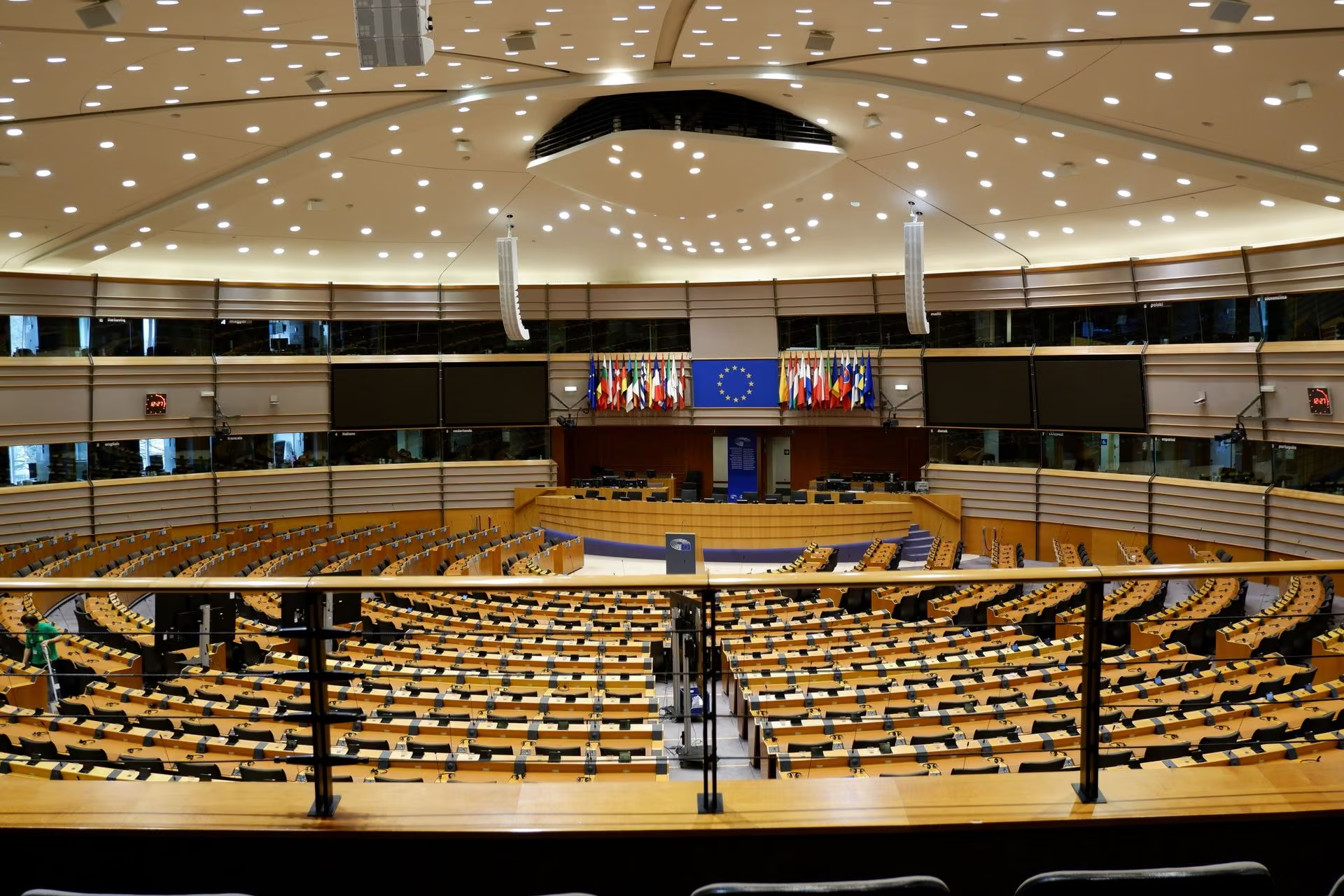
European Union High Representative for Foreign Affairs and Security Policy Kaja Kallas described the demands Russia has put forward in the peace talks as "absurd". Kallas answered journalists' questions at the entrance to the EU Foreign Affairs Council meeting in Brussels.
Kallas recalled that Russia had also presented a list of demands in 2021, before the war. Noting that Moscow is now raising the same demands again and adding new ones, she said this is a clear pretext to continue the war and added: "We must be realistic about this."
Ceasefire first
According to Kallas, a security architecture already exists in Europe, and Russia accepted it through many agreements, including the Helsinki Final Act and the Budapest Memorandum. Saying the problem is that Russia does not abide by agreements, she stated: "That is why we need to see concrete concessions from Russia showing it will abide by them."
Stressing that a ceasefire should be the priority in the talks, Kallas said: "What we need to see is a ceasefire, a ceasefire in order to start discussing any other issue." She said both a ceasefire and a lasting peace that prevents Russia from attacking again must be insisted upon. Saying the negotiating team should press for a ceasefire, Kallas stated:
Stop killing Ukrainians, stop attacking civilian infrastructure, put an end to this. After that we can sit down and negotiate the peace agreement.
Kaja Kallas
The EU's maximum demands list
Kallas said she and the ministers would discuss the maximum demands the EU will put forward in response to Russia's maximum demands. She said she was not aware of a plan she was asked about. Explaining that Russia withdrawing its troops from all countries where it still has forces is on the list, Kallas stressed that none of those countries has attacked Russia.
Reporting that Russia claims Europeans have not yet offered it anything, Kallas said: "Suddenly it seems as if it is up to us to offer them something. Yet they started the war. They are the aggressor and there is a victim." She also said Moscow submits many demands and then backs away from some of them to appear reasonable.
Kallas reminded that the EU has leverage such as sanctions and frozen assets. Saying the negotiating team should always ask what is being offered in return, she said: "I hope we do not take any step without getting anything in return."
Representation team and Black Sea agenda
Kallas said the US side had indicated Europeans would be included in the next round of talks, which is why the format of representation was determined. She answered a question on the team by saying the decision belongs to the leaders. She recalled that she meets foreign ministers every month and that the European External Action Service has Russia experts who know the previous negotiations.
The meeting will also include ministerial-level talks with Central Asian, Black Sea and South Caucasus countries. Saying the timing of the talks is important given the attacks in the Black Sea last weekend, Kallas said they will address connectivity as well as security. She added that the countries want to diversify energy sources, trade routes and supply chains. A conference on demining in Ukraine will be held after the meeting.
Bora Haber previously reported: Five countries and EU institutions to represent Europe in Ukraine talks and NATO Chief Rutte: Türkiye Is a Key Ally in Every Respect.
Background
Last week in Abu Dhabi, Russian and Ukrainian delegations met under US mediation and discussed efforts to end the war and security arrangements. At an informal summit in Dublin on 13 November, EU leaders agreed that Europe would be represented in the talks by a team made up of the EU Council and Commission and the E5 group of Germany, France, Poland, Italy and the United Kingdom.
World guides
- What is the Organization of Turkic States and which countries are members?The Organization of Turkic States is a cooperation platform for Turkic-speaking states in political, economic and cultural fields. Its members are Azerbaijan, Kazakhstan, Kyrgyzstan, Türkiye and Uzbekistan; other actors hold observer status.
- What is NATO, which countries are members, and when did Türkiye join?NATO is an intergovernmental alliance founded by the North Atlantic Treaty of 4 April 1949. Türkiye joined on 18 February 1952, together with Greece. Check NATO and the Ministry of Foreign Affairs for the current member list.
- How does the UN Security Council work?The UN Security Council is the UN organ with primary responsibility for maintaining international peace and security. It has 15 members; 5 permanent members hold veto power, and its decisions can be binding.
Comments
Sign in to comment.