

Opposition Candidate Matan Kahana Elected Speaker of Israel's Parliament
Opposition's joint candidate Matan Kahana won the Israeli parliament speakership with 66 votes. Ofir Katz, the candidate of Netanyahu's coalition, received 52.
· 2 min read
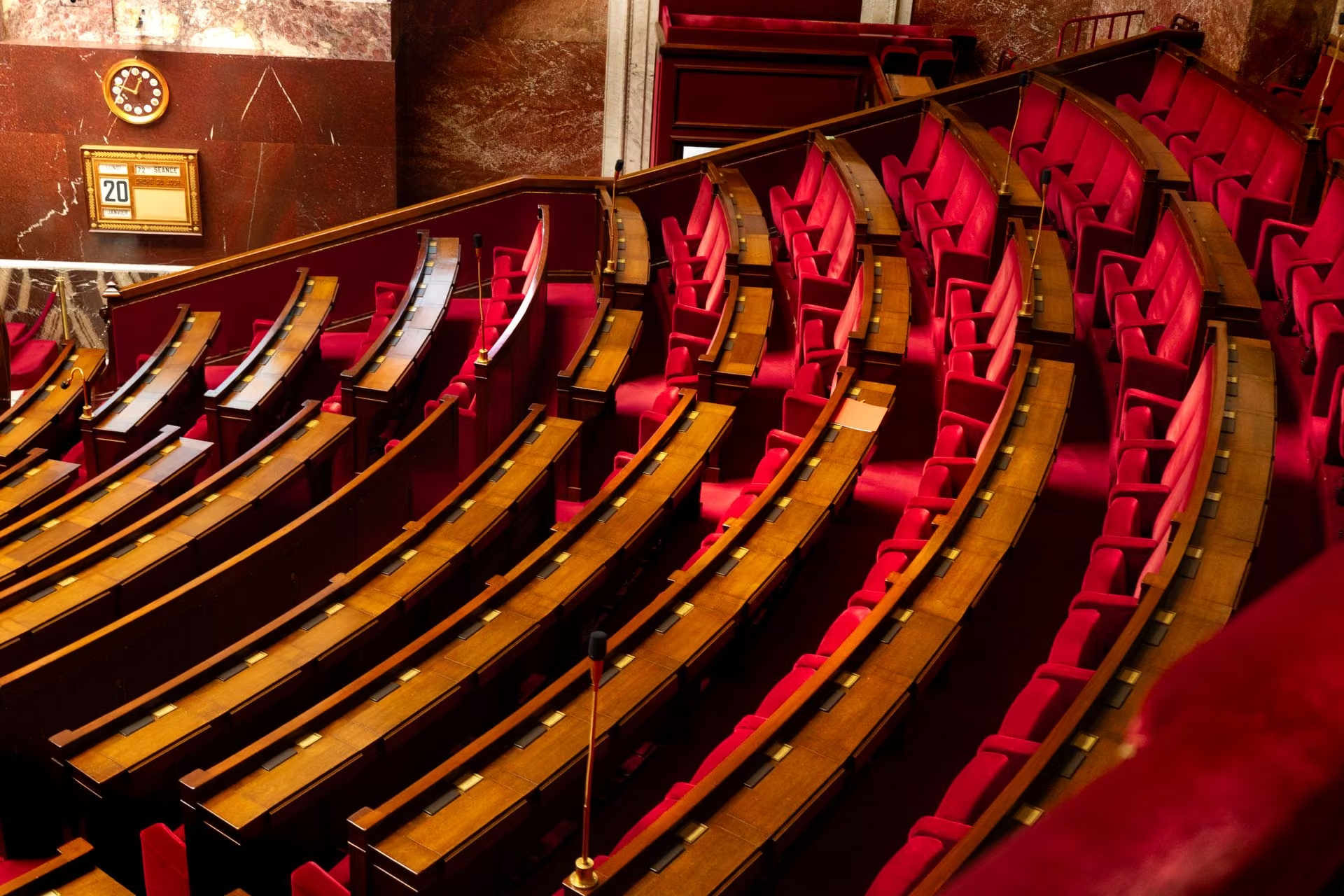
In the vote for the speakership of the Israeli parliament, the opposition bloc carried its joint candidate Matan Kahana to the post. In the vote, in which 120 lawmakers took part, Kahana received 66 votes. Ofir Katz, the candidate of the coalition led by Prime Minister Benjamin Netanyahu, remained at 52. Two lawmakers did not vote.
Kahana's candidacy was backed by the opposition bloc led by Gadi Eisenkot. Arab parties, which won 19 seats in the October 27 elections, also voted for the same candidate. The Joint List and the Ra'am Party had announced before the vote that they would support Kahana. The opposition thus secured the backing of 67 lawmakers.
Before the vote, coalition candidate Katz drew attention with a statement targeting lawmakers of Palestinian origin. In a post on a social media account, Katz called on these lawmakers not to vote for him.
Government's room to maneuver narrows
With Kahana's election, the Netanyahu government's room to maneuver in parliament has narrowed. The 67-seat opposition bloc now carries decisive weight in the legislative process. This picture makes it harder for the government to pass new bills, while giving the opposition an opportunity to repeal contested laws. The opposition led by Eisenkot is expected to submit proposals to repeal laws passed by the Netanyahu government, judicial reform foremost among them.
Bora Haber previously reported: Eisenkot: No fair election possible in Israel while Netanyahu is in office and Israel uploaded 3.5 million Palestinians' photos to Amazon's cloud for facial recognition.
Background
In the October 27 elections, Netanyahu's bloc won 53 seats, Jewish opposition parties 48 and Arab parties 19. Netanyahu's bloc fell short of the 61-seat majority needed to form a government. The opposition's combined strength of 67 seats has shifted the balance in parliament.
World guides
- How does the UN Security Council work?The UN Security Council is the UN organ with primary responsibility for maintaining international peace and security. It has 15 members; 5 permanent members hold veto power, and its decisions can be binding.
- What is NATO and how does it make decisions?NATO is an intergovernmental military and political alliance founded in 1949, built on the collective defence of its members. Decisions are taken in the North Atlantic Council by consensus, not by voting.
- How does the European Union work, and where does Turkey's accession process stand?The EU is a union of member states that delegate powers to common institutions. Turkey became a candidate in 1999 and began negotiations in 2005; the process has been effectively stalled for a long time.


Comments
Sign in to comment.