

PM10 air pollution in Istanbul rose about 10% in October from a year earlier
According to a study by ITU's Prof. Dr. Hüseyin Toros, Istanbul's October PM10 average reached 35.2 micrograms. Meteorological conditions were the main factor in the rise.
· 3 min read
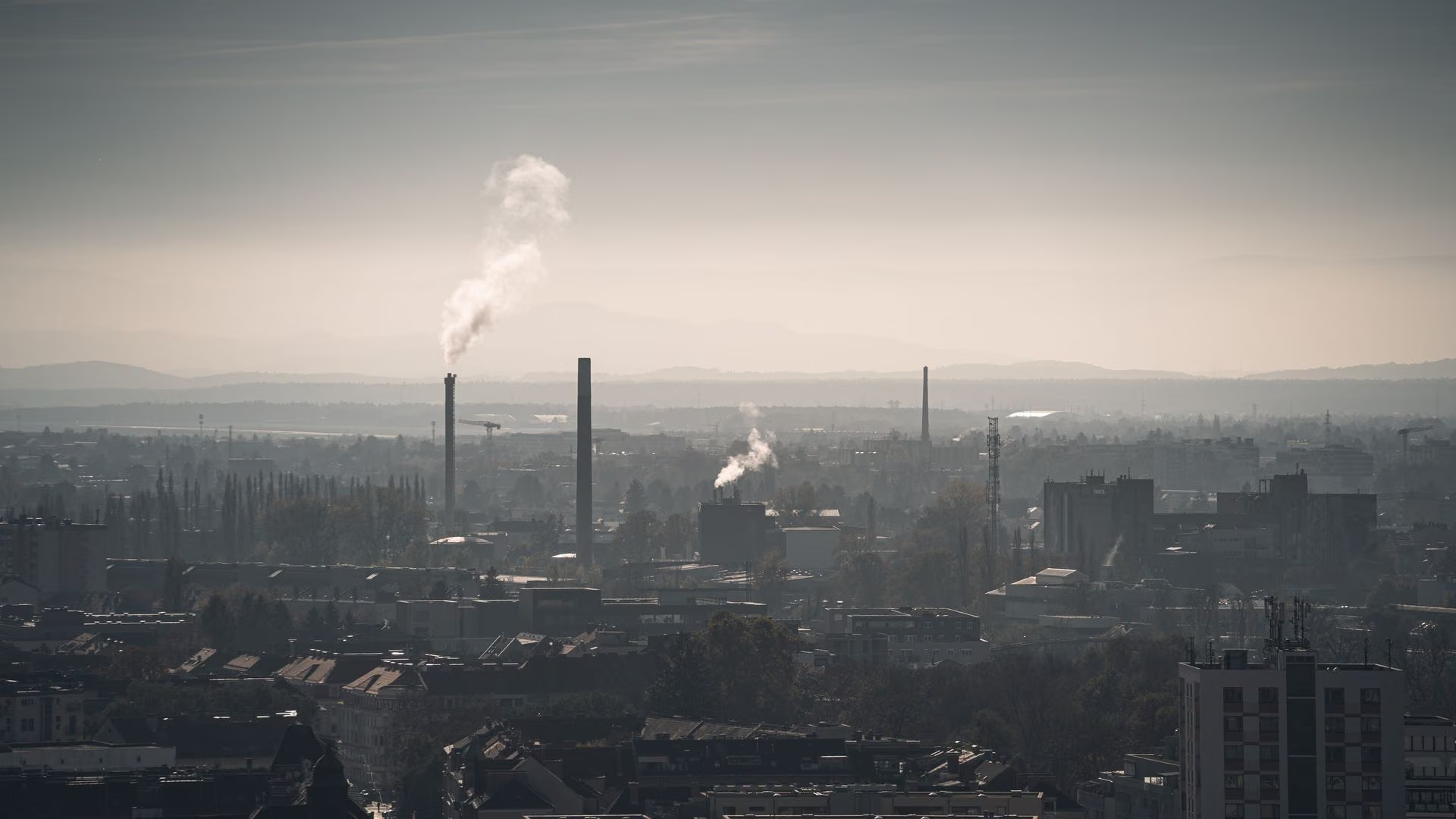
Prof. Dr. Hüseyin Toros, head of the Department of Climate Science and Meteorological Engineering at the Faculty of Aeronautics and Astronautics of Istanbul Technical University (ITU), compared the city's air pollution data for October 2025 and October 2026. The study was based on particulate matter (PM10) concentrations recorded at air quality stations of the Ministry of Environment, Urbanization and Climate Change and the Istanbul Metropolitan Municipality (IBB).
Station data
The October PM10 average across 26 stations was calculated at 35.2 micrograms per cubic meter. In the same month last year it was 31.9 micrograms. PM10-related pollution therefore rose by about 10%; Toros put the increase at 10.3%.
PM10 concentration fell at 6 stations and rose at 20. The highest average, 71.3 micrograms per cubic meter, was at the "Sultangazi 3" station, and the lowest, 18.1 micrograms, was at "Üsküdar 1". The number of stations with an October average above 50 micrograms was 3 last year and 5 this year.
Reasons for the rise
Toros said the main cause of the increase was meteorological variables. Noting that September rainfall this year was 50% higher than last year, he said:
Although we received a lot of rain, last year the rainfall remained effective for longer and low-pressure systems were more influential in the background, so last year we faced cleaner air than this year. This year, unfortunately, our air turned out dirtier.
Prof. Dr. Hüseyin Toros
Toros said that during periods dominated by high pressure, reduced air movement increases pollution in cities. He said most of the city's pollution comes from vehicles, with more than 6 million registered vehicles in Istanbul. He added that traffic can stretch trips over short distances to 20-30 minutes, and that vehicles staying on the road longer increases exhaust emissions.
Toros explained that heating sources come into play as the weather cools; although most buildings use natural gas, some small neighborhoods and industrial sites continue to heat with other fuels, which raises pollution.
Health limits and climate target
Toros said that, for health, the daily PM10 value should be below 50 micrograms per cubic meter. Noting that the World Health Organization (WHO) recommends an annual average PM10 below 15 micrograms, he said: "We see that we are polluted at more than twice this value."
Stressing that air pollution cannot be cleaned up overnight and requires long-term work, Toros said Türkiye's 2053 net-zero target is highly valuable in this respect. He said substances that cause carbon emissions are generally also the source of other pollutants, and that all of them must be reduced.
Toros noted that atmospheric carbon dioxide concentration, below 300 ppm in the pre-industrial era, has risen to 430 ppm today, and that this directly or indirectly affects human health. He recalled that COP31, which Türkiye will host, will bring together officials, scientists, students and various organizations in Antalya.
Toros's call
Toros stressed that air pollution should be an agenda item in schools, workplaces and homes. He said pollution harms the climate and that climate change leads to floods, drought, sea level rise, melting glaciers and water scarcity. Pointing to the importance of individual steps, he said:
If each of us keeps the front of our home clean, keeps the front of our workplace clean, uses fuels that will not harm the atmosphere at home, at work or in transport, that is, fuels that will not contribute to polluting the atmosphere, and uses resources efficiently, our atmosphere will be cleaned and we will directly protect our health. Indirectly, we will also seriously fight global climate change, which currently threatens all people. And we will move one step closer to our 2053 net-zero target.
Prof. Dr. Hüseyin Toros
Bora Haber previously reported: Minister Kurum: Possible Istanbul earthquake is a national security issue, support extended and Heavy rain turns Istanbul roads into lakes as traffic congestion reaches 90 percent.
Guides on this topic
Agenda guides
- How much is the Turkish exit fee for travel abroad? Current amount and how to payThe exit fee for travel abroad has been applied at 1.250 TL as of 1 January 2026. It can be paid via the Revenue Administration's Digital Tax Office, GİB Mobil, contracted banks or authorized tax offices.
- How is title deed fee calculated? Buyer and seller share, revolving fund feeThe sources give no title deed fee rate or revolving fund fee amount. Fees will be updated by the revaluation rate on 1 January 2027; the 2026 rate was 25.49 percent. Check the General Directorate of Land Registry and Cadastre for current amounts.
- How much are driving licence fees and duties?Based on the 27.83 percent revaluation rate, the class B licence duty is expected to be 8,634.41 TL and the class A, A1 and A2 duty 2,863.26 TL from 1 January 2027. The final tariff will be published officially.



Comments
Sign in to comment.