

Türkiye Ranks 5th in Industrial Diversity and 6th in Industrial Design in WIPO Innovation Index
Türkiye ranks high in industrial diversity, industrial design and trademarks in the WIPO 2026 Global Innovation Index. Ömer Özdinç stressed collaboration and branding abroad.
· 3 min read
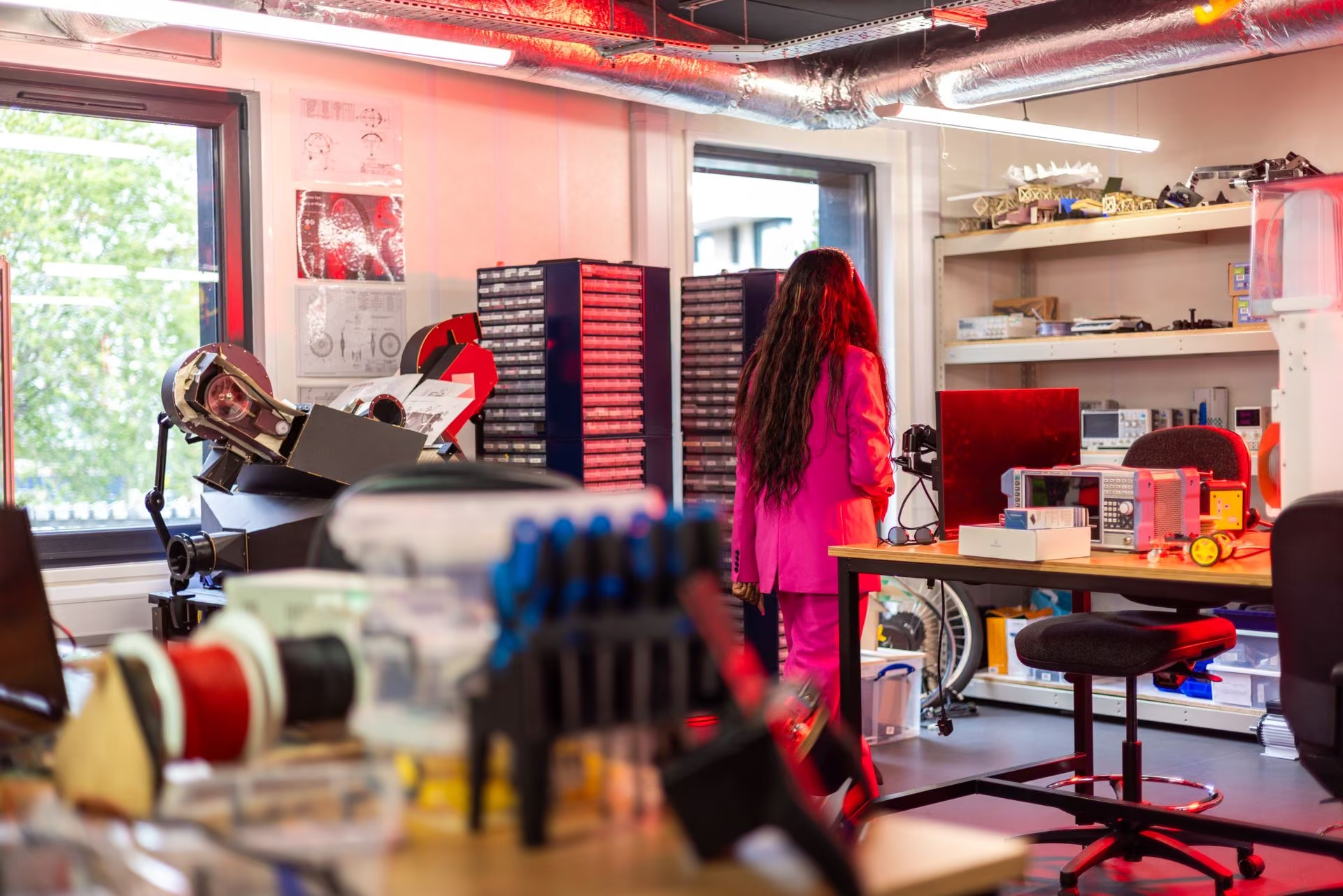
According to the World Intellectual Property Organization's (WIPO) 2026 Global Innovation Index, Türkiye performed strongly in R&D and intellectual property within its category. The report noted that the country follows a development path that is more industry-oriented and intensive in intangible assets. Türkiye was listed among the countries standing out in industrial diversity, industrial design, trademarks, research capability and higher education.
Ömer Özdinç assessed the report's findings in terms of Türkiye's R&D and innovation capacity, private sector-university collaboration, industrial design, high value-added production, public incentives and standing in global competition. Recalling that Türkiye ranks 5th in the world in domestic industrial diversity, Özdinç stressed that a critical period has begun for developing innovation capacity.
Private sector and universities
According to Özdinç, the private sector has so far met domestic and foreign demand with copies of existing products, relying on cost advantage, and therefore has not given R&D and innovation enough importance. In the new era, with the cost advantage lost, relations with universities and technoparks have become far more critical. Özdinç noted that, according to the index, Türkiye has been the middle-income country that increased deep science ventures fastest in the last five years, and said these ventures must be turned into products sold on the market.
Design and trademarks
According to the index, Türkiye is among the top countries in industrial design registrations and trademark applications. Özdinç said the country is a major player in consumer-facing products such as textiles, furniture and white goods. Saying Türkiye is 6th in the world in industrial design and 7th in trademarks, he noted that the designs are more incremental improvements than radical innovations.
If we can combine our design power with technology, engineering and original product ideas, we can be much more ambitious in high value-added exports.
Ömer Özdinç
Incentives and collaboration
Özdinç said incentives for R&D and design centers and technoparks are sufficient, but the impact of strategic, mission-oriented support needs to increase. Calling collaboration both the most important shortcoming and the most needed capability in the new era, he said the inward-looking industrial culture must evolve into an open and collaborative one. He said the public sector, organized industrial zone administrations, universities and institutions such as TÜBİTAK need to play an active role.
Intellectual property and global markets
According to Özdinç, there is no major gap in Türkiye's domestic legal infrastructure, but processes must be sped up. In international markets, the country falls short of its current capacity, largely because of a lack of focus on original products and limited experience in branding technologies abroad. He said firms' market strategy skills must improve, relevant public units must specialize, a qualified consultancy sector must develop and, if needed, talent transfer must be made easier.
Stressing that intellectual property is no longer just a means of protection but a gateway to financing, partnerships and new markets, Özdinç said half of science-based ventures hold patents, versus around 15 percent of other ventures. Noting that Türkiye is in the world's top 10 in industrial design and trademarks and 21st in patents by origin, he added that it is among the countries producing more innovation output than expected from their resources.
Özdinç recommended strengthening support for international patent applications, professionalizing technology transfer offices and spreading financing models that accept patents and designs as collateral. He said it would also make a big difference if firms build their intellectual property strategy at the very start of product development.
Bora Haber previously reported: Türkiye's AI-Powered Domestic Microsatellite GEZGİN-1 to Launch in 2028 and Minister Kacır: İMECE-2 to launch in 2027, İMECE-3 in 2028.
Science guides
- How do lunar and solar eclipses happen, and how can you watch them safely?In a solar eclipse the Moon passes between Earth and the Sun; in a lunar eclipse Earth passes between the Sun and the Moon. Never watch a solar eclipse with bare eyes or sunglasses; use certified eclipse glasses.
- Who can donate blood, how often, and how is it done?To donate blood you need to be in good general health and meet the Turkish Red Crescent's (Türk Kızılay) age, weight and health criteria. Eligibility is decided at a pre-donation screening at the donation centre.
- How do I book a hospital appointment through MHRS?You can book through MHRS (Central Physician Appointment System) on its website, mobile app or the Alo 182 line. Log in with your Turkish ID number, then choose province, hospital, clinic and doctor.


Comments
Sign in to comment.