

V&A in London Presents Istanbul's Byzantine and Ottoman Eras in Over 200 Works
London's Victoria & Albert Museum opened "Constantinople to Istanbul: One City, Two Empires" on 7 November 2026. The show covers AD 330–1922 with more than 200 works.
· 2 min read
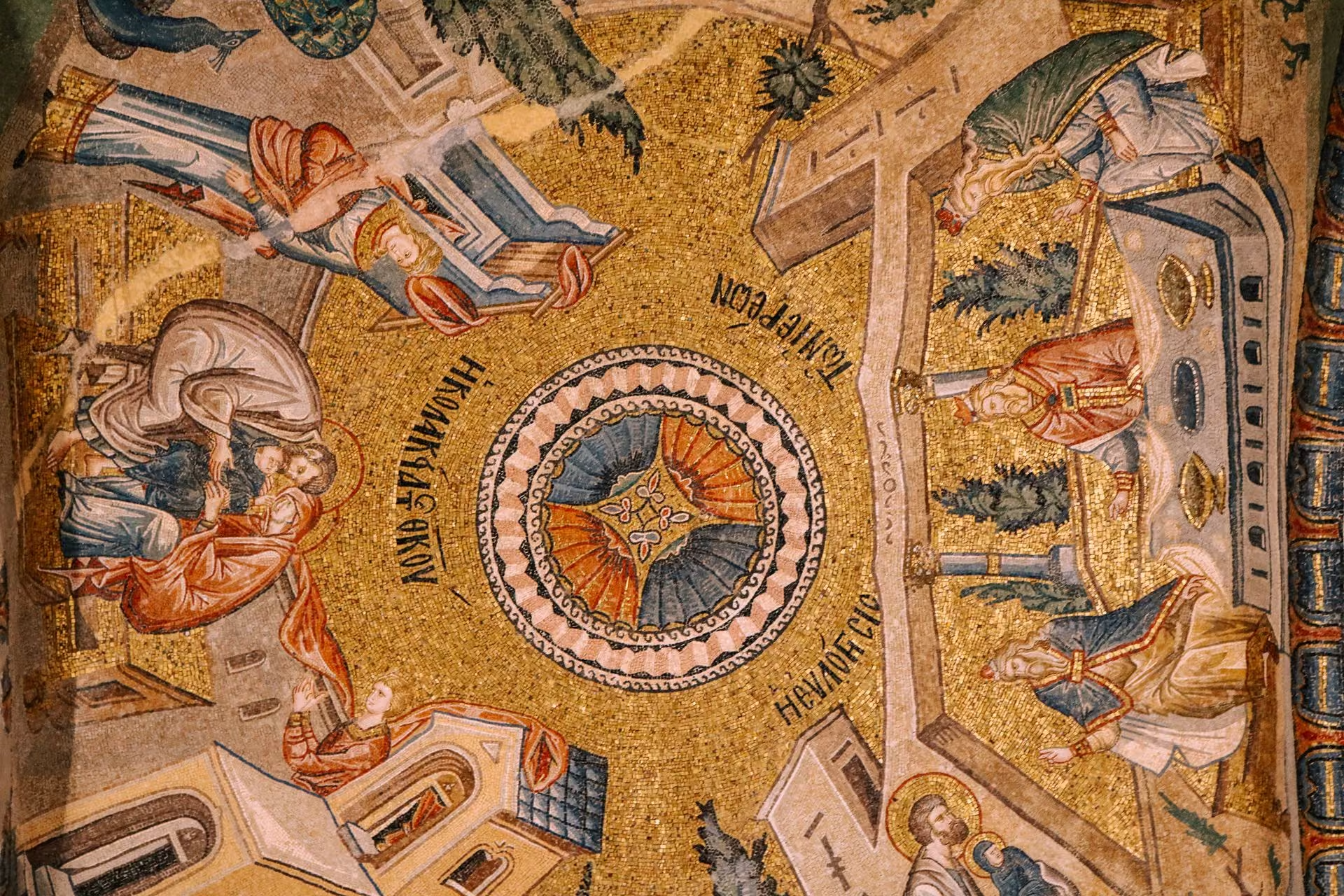
The Victoria & Albert Museum (V&A) in South Kensington, London, opened its exhibition "Constantinople to Istanbul: One City, Two Empires" to visitors on 7 November 2026. It can be seen until 9 May 2027. The selection covers about 1,600 years, from AD 330 to 1922, through more than 200 works.
The exhibition brings the city's art, palace life and everyday habits in the Byzantine and Ottoman periods into a single historical frame. It is curated by Tim Stanley, with Bella Radenovic as project curator. Prepared with Koç Holding's support in the Koç Group's 100th year, it includes items ranging from jewellery and court dress to a coffee pot and a painting by Osman Hamdi Bey.
Sections and highlights
The first section, "Roman Beginnings", presents the city's founding from infrastructure to monuments. Emperor Constantine founded the new capital of the Roman Empire on the Bosphorus in AD 330. Constantinople sat close to trade routes between Europe and Asia, to sea traffic between the Black Sea and the Mediterranean, and to the centre of imperial politics. Aqueducts, cisterns and walls made this growth possible. The Hippodrome hosted not only horse races but also gatherings where the emperor appeared before the public and political messages became spectacle.
The "Heaven and Earth" section examines Christianity's influence on art and architecture and the language of power Byzantine rulers built through sacred imagery. Gold-ground icons, mosaics and relics shaped the visual world of faith while reinforcing imperial authority. Among the highlights are the Veroli casket, dated to the second half of the 10th century and decorated with mythological scenes, and an 11th-century enkolpion, a religious medallion worn on the chest, belonging to a high court official named Constantinos.
Ottoman era and works from Türkiye
Sultan Mehmed the Conqueror's capture of the city in 1453 began a new imperial era. The Ottomans inherited the capital's geographic advantage and symbolic weight; palaces, mosques, ceremonies and relics formed the language of the new political order. From the Sadberk Hanım Museum, the show includes a three-piece dress (üçetek entari), skirt and blouse, ferace, street çarşaf, umbrella, galoshes and boots, along with a calligraphic panel depicting a Mevlevi headdress and works by calligraphers Sâmi Efendi and Hüsnî Efendi. From the Yapı Kredi Collection, Osman Hamdi Bey's 1887 painting "Women on a Stroll" joins the selection.
Opening
Ömer Koç, Ali Y. Koç, Caroline N. Koç, İpek Kıraç, Çiğdem Simavi, Kerim R. Koç and Esra Koç, together with Koç Holding CEO Levent Çakıroğlu and Sadberk Hanım Museum Director Hülyâ Bilgi, gathered at the opening.
Bora Haber previously reported: "Istanbul: One City, A Thousand Perspectives" Exhibition Opens in Paris and Sadiq Khan makes künefe on Green Lanes ahead of Türkiye visit.
Events guides
- What is marbling art (ebru), and how is it made?Ebru is the art of dropping paints onto thickened water, shaping them with brushes and sticks, and transferring the pattern to paper. Each print is unique; Turkish ebru is on UNESCO's Intangible Cultural Heritage list.
- Which UNESCO World Heritage Sites are in Türkiye?Türkiye has many UNESCO World Heritage Sites, including Istanbul, Cappadocia, Ephesus, Göbekli Tepe, Troy and Ani. Check UNESCO and the Ministry of Culture and Tourism for the current list.
- What is Nevruz (Nowruz) and how is it celebrated?Nevruz is an ancient spring festival welcoming nature's awakening, celebrated around March 21 each year. In Türkiye it is marked with bonfires, food, music and folk dances.
Comments
Sign in to comment.