

Violence at youth protest in Barcelona: more than 100 detained, shops looted
A youth protest around Plaça Catalunya in Barcelona turned violent. Shops were looted, containers burned, 14 officers injured and more than 100 people detained.
· 2 min read
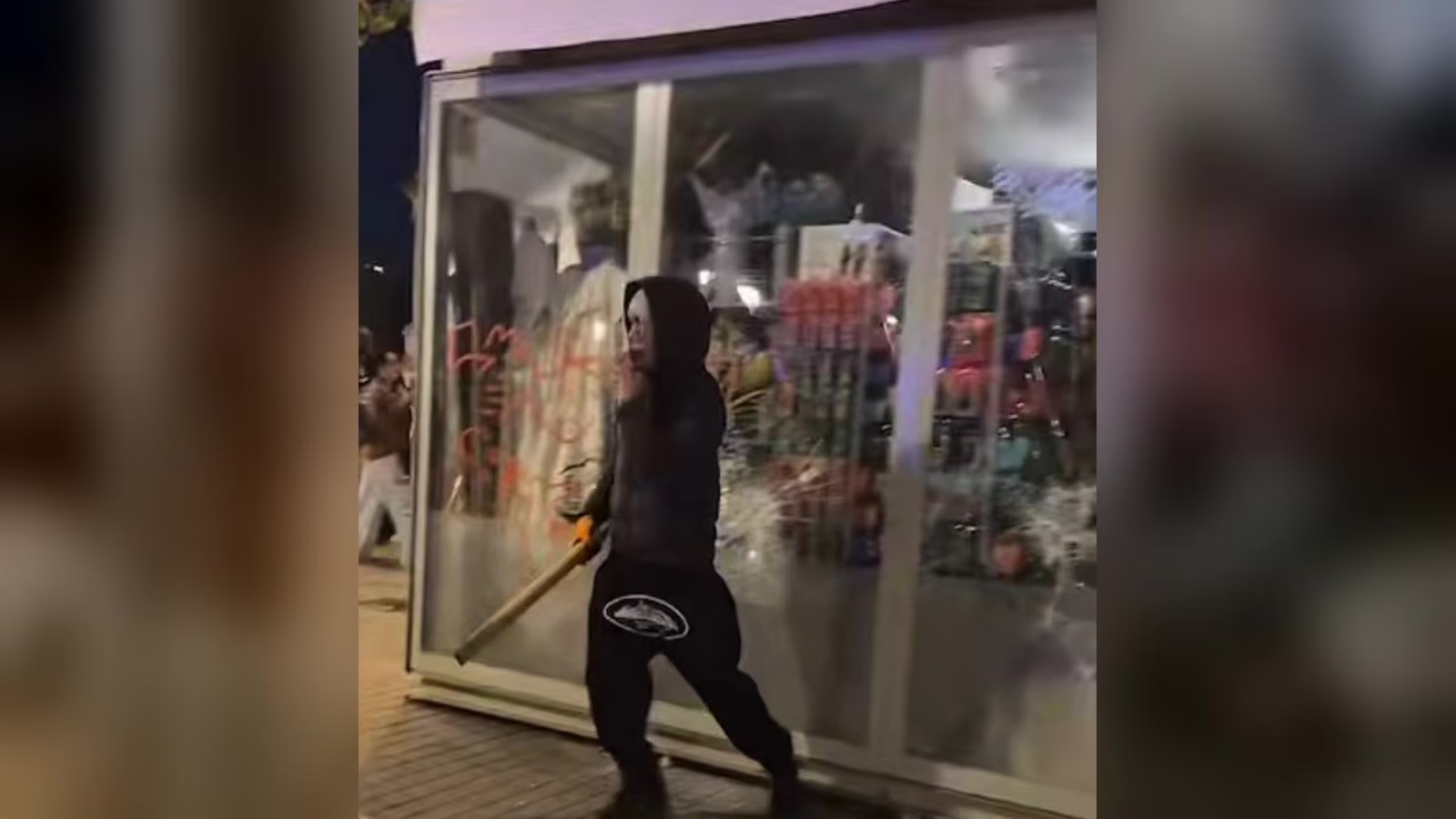
A youth protest in the Spanish city of Barcelona turned violent after people gathered at Plaça Catalunya following a call spread on social media. Protesters looted some shops, set rubbish containers on fire and threw stones and bottles at security officers. Police intervened against the group.
Hundreds of young people dressed in black gathered in the square after a call spread under the Catalan hashtag "Institut Indignats". After the intervention, protesters dispersed in groups, and scuffles broke out between police and protesters in side streets.
Injured officers and detentions
According to authorities, 14 officers were injured in the unrest, four of them seriously. A municipal police officer was also injured. More than 100 people were detained, and around 450 people were identified during the operation.
Some 500 young people reportedly took part, and the call spread mainly via TikTok and messaging apps such as Telegram and WhatsApp. An anonymous platform behind the call reportedly urged demonstrations in major Spanish cities for better educational conditions. Authorities said the gathering quickly turned violent; participants burned 31 rubbish containers, built barricades and threw objects at riot police.
At least 23 businesses were vandalized or looted, and street furniture and vehicles were also damaged. Emergency services received around 450 calls related to the unrest, and firefighters responded to 33 incidents involving fires in public areas. Police confiscated bladed weapons, sprays, balaclavas, pyrotechnics and other items and issued 68 administrative reports.
The Barcelona City Police (Guardia Urbana) announced that some streets in the city centre were closed to traffic. Many shops in the area lowered their shutters against possible damage. The events took place near a camp set up with tents a few weeks earlier to demand housing rights, in an area crowded with residents and tourists.
Statements from officials
Silvia Catà, chief commissioner of Catalonia's regional police Mossos d'Esquadra, said officers were surprised by the participants' "extreme violence". She described a disorganized group of very young people who gathered in small groups to commit vandalism and looting. She said some participants were under 14 and therefore below the age of criminal responsibility in Spain. Catà added that police were monitoring social media platforms and cooperating with other European law enforcement agencies to investigate the spread of the calls and identify those responsible.
An act of assault, threat or damage is not a democratic right. Anyone who does this will pay the price.
Salvador Illa
Illa, president of the Catalan regional government, also stressed that violence has no place in Catalonia and that nothing could justify it.
Background
The call in Barcelona was reportedly inspired by the Lycées Indignés movement, which has led student actions in France in recent weeks. The detentions were mainly on charges of vandalism, damaging public property and looting, and legal proceedings are continuing; Catà said reports concerning children would be sent to the Juvenile Prosecutor's Office and those concerning adults to the competent court.
World guides
- How does the UN Security Council work?The UN Security Council is the UN organ with primary responsibility for maintaining international peace and security. It has 15 members; 5 permanent members hold veto power, and its decisions can be binding.
- What is NATO and how does it make decisions?NATO is an intergovernmental military and political alliance founded in 1949, built on the collective defence of its members. Decisions are taken in the North Atlantic Council by consensus, not by voting.
- How does the European Union work, and where does Turkey's accession process stand?The EU is a union of member states that delegate powers to common institutions. Turkey became a candidate in 1999 and began negotiations in 2005; the process has been effectively stalled for a long time.

Comments
Sign in to comment.