

What 9H, Thickness and Coatings Mean When Choosing a Screen Protector
The 9H hardness, 0.33 mm thickness and oleophobic coating labels on phone screen protectors are explained, along with differences between tempered glass, hydrogel, matte, glossy and privacy models.
· 3 min read
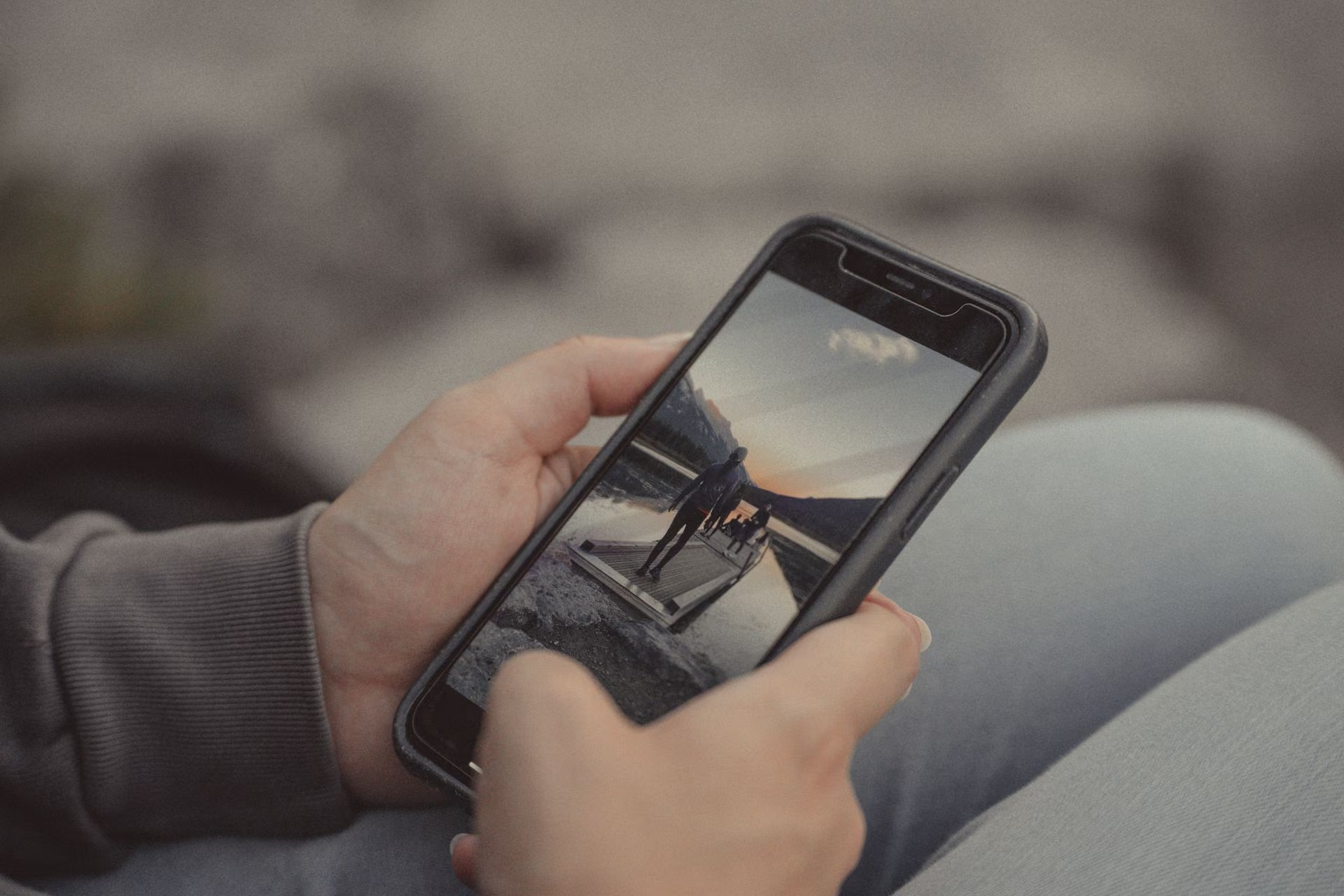
Repairing a phone screen can cost close to the budget of a new phone. Choosing the right screen protector is therefore one of the most practical ways to protect a device over the long term. Labels often seen on packaging, such as 9H, 0.33 mm and oleophobic coating, may sound technical but describe features felt directly in daily use.
9H, thickness and oleophobic coating
The 9H value is associated with a pencil hardness test. In the method described in the ASTM D3363 standard, pencil tips of different hardness are applied to a coated surface at a 45-degree angle, and the hardest tip that leaves no mark is identified. 9H is one of the upper steps of this scale. Still, a 9H label does not mean the protector will never scratch or fully protect against keys, sand and hard impacts. It should therefore not be treated as a quality indicator on its own, but weighed together with other features.
On thickness, 0.33 mm is a common value, while 0.5 mm models offer a thicker protective layer. A thicker protector does not necessarily reduce touch sensitivity, since glass quality, the adhesive layer and compatibility with the phone also matter. Thinner models can feel closer to the original screen. An oleophobic coating is a thin layer that helps oil and fingerprint residue cling less to the surface, so the screen is easier to clean and fingers glide more smoothly.
Material and surface options
Products sold as tempered glass, hydrogel and nano film differ in texture, flexibility and approach to protection. Hydrogel protectors are generally flexible polymer films; because they are not rigid, they conform more easily to the edges of curved screens. They can be an alternative for those whose glass protectors lift at the edges on phones with curved sides.
Glossy protectors aim to preserve the original image and colors as much as possible, but can cause reflections in sunlight or strong lighting. Matte surfaces scatter light to reduce reflections and give a different feel to finger movement in games, though they can soften the image and affect vibrancy. In privacy (ghost) models, micro-louver-like optical filters limit the angles at which screen light passes. Content is readable when viewed head-on, while people looking from the side see a darker image.
Spigen, Baseus and Nillkin
These three brands offer tempered glass and various surface options for different phone models. Spigen stands out with its easy installation tray, Baseus with affordable options, and Nillkin with thin glass and different coatings. Spigen's Glas.tR EZ Fit series includes an alignment tray in the box that helps position the phone and protector correctly. Products for the Galaxy S24 series have 9H tempered glass, an oleophobic coating and an application tray; options also exist for the iPhone 17 family. Some packs include two protectors and a cleaning kit.
Baseus's Crystalline series includes clear tempered glass (Crystalline HD) and privacy-filter (Crystalline Privacy) models. For the iPhone 17, Crystalline HD is listed at around 599 TL at Vatan Bilgisayar and the Privacy version at around 799 TL. Nillkin's Amazing H+ Pro offers 0.2 mm glass, 9H hardness and an oleophobic coating. Benks OmniWarrior offers glass options with application trays, and ESR UltraFit Armorite offers reinforced glass with an easy application tray.
Bora Haber previously reported: Apple to stand trial in France over alleged planned obsolescence in iPhones and Work on Face ID for iPhone Duo 2 continues as schedule tightens.
Technology guides
- How to get a student certificate from e-DevletLog in to e-Devlet Kapısı (the Turkish e-Government Gateway), search for “öğrenci belgesi” (student certificate) and open the relevant service. The document is generated electronically; check the receiving institution's acceptance rules.
- How to check planned power outages and what are your rights during an outage?You can check planned outages on your regional electricity distribution company's website, mobile app or call center. The regulator for outage and quality rights is the Energy Market Regulatory Authority (EPDK).
- What is 5G, how does it differ from 4.5G, and what is its status in Türkiye?5G is the fifth generation of mobile communications, aiming for higher speed, lower latency and more connected devices than 4.5G. Check the current service status in Türkiye with the Information and Communication Technologies Authority (BTK) and operators.

Comments
Sign in to comment.