

World Press Photo's "Down to Earth" climate exhibition opens in COP31 Green Zone
The "Down to Earth" exhibition, hosted by Rönesans Altyapı, presents 21 award-winning photo projects on the climate crisis. It can be visited in COP31's publicly accessible Green Zone.
· 3 min read
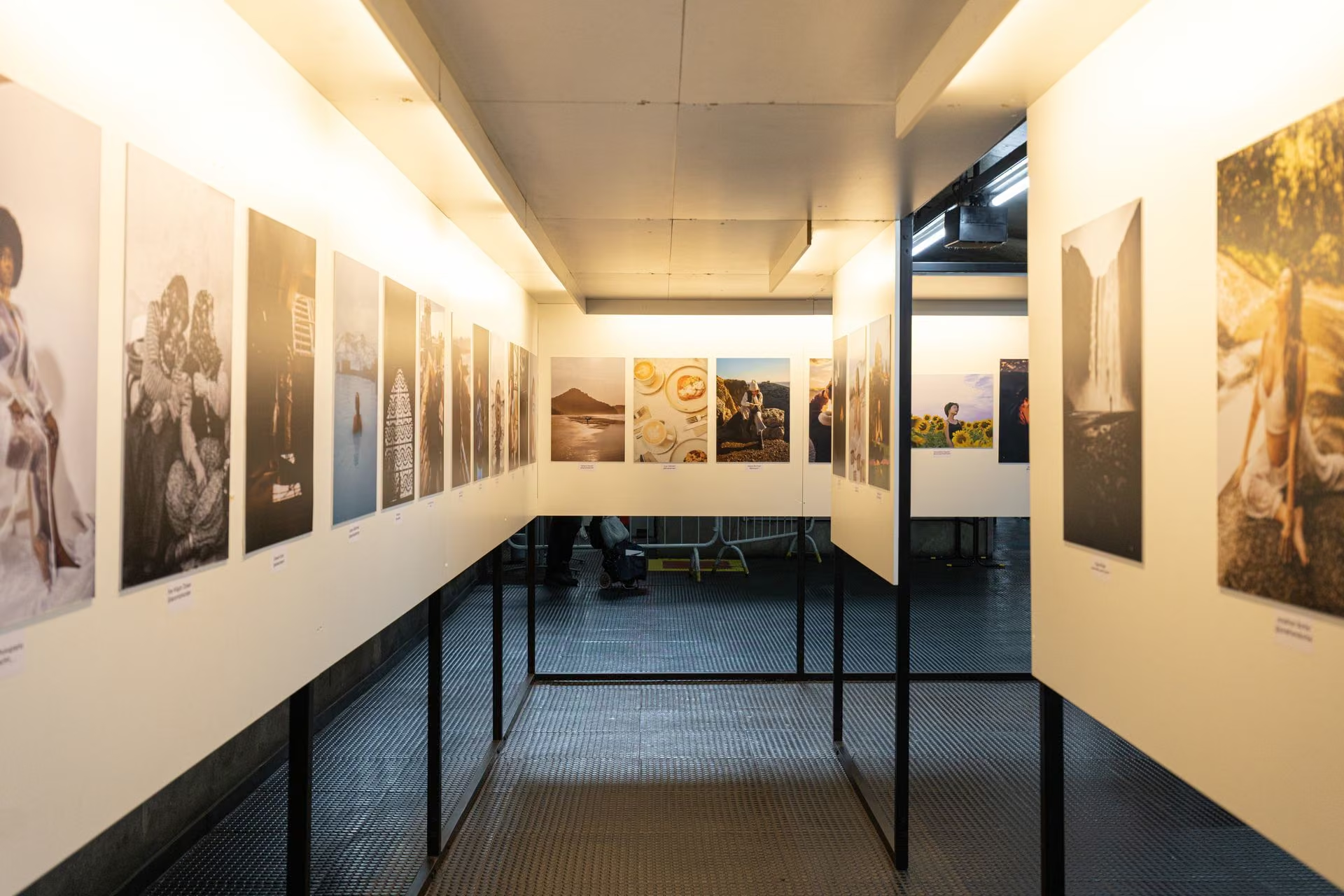
"Down to Earth", the first special exhibition by World Press Photo, one of the world's leading photography organizations, focused on climate change and the future of the climate, opened to visitors on 16 November as part of COP31. Rönesans Altyapı is hosting the exhibition.
Bringing together 21 award-winning photo projects, the exhibition can be seen at the Rönesans Holding Stand in the Resilient Cities area of COP31's publicly accessible Green Zone. The opening was attended by Rönesans Altyapı CEO Atilla Kemal Sağlam and Deputy Dutch Ambassador Hanno Wurzner. The exhibition was prepared by the World Press Photo Foundation in cooperation with the Government of the Kingdom of the Netherlands.
Earth, air, fire and water
Made up of 21st-century photo stories selected from the World Press Photo contest archive, the exhibition documents the transformation the climate crisis has caused in different geographies. Organized around earth, air, fire and water, it shows the destructive effects of climate change on nature and human life, as well as humanity's efforts to adapt to and fight the crisis.
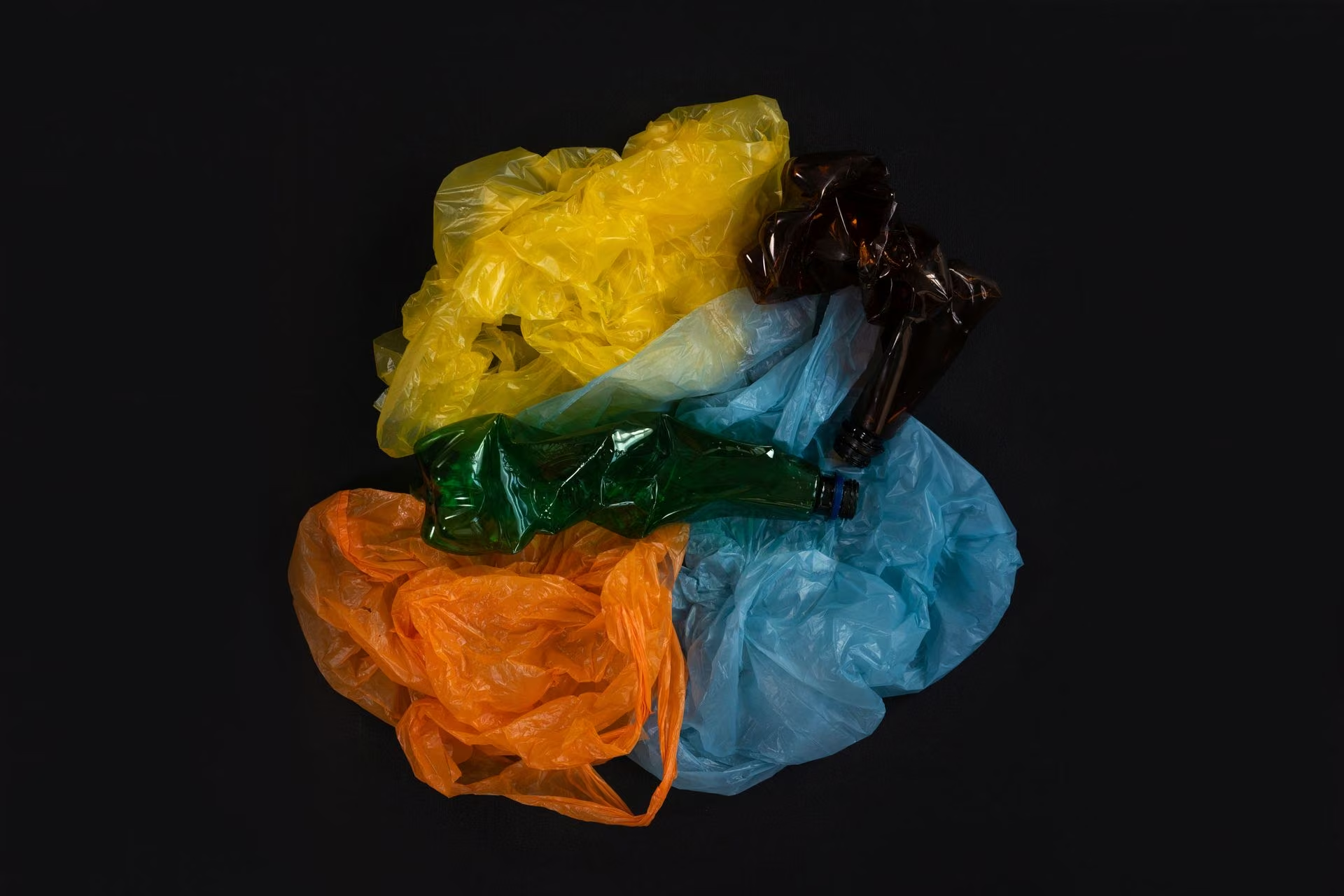
The first section features the regions that feel the effects of climate change most intensely and the stories of the people living there. The impacts of fossil fuel extraction, deforestation, industrial agriculture and waste accumulation are addressed together with melting glaciers, thawing permafrost, rising sea levels, extreme weather events, wildfires and drought.
Sağlam: Infrastructure must be designed for the hardest days
Speaking at the opening, Atilla Kemal Sağlam pointed to the link between the human stories in the photographs and the resilience of infrastructure. According to Sağlam, whether a hospital can keep serving in a crisis is largely determined at the design stage, years before a photograph is taken.
Infrastructure rarely makes the news on days when it works without problems; it comes to the agenda on days when it is tested, such as floods or earthquakes.
Atilla Kemal Sağlam
Sağlam recalled that during the 2023 earthquakes, the city hospitals in Adana and Elazığ kept serving, and that Adana City Hospital was also used as a coordination center. Noting that an earthquake is not a climate event, he said climate change today puts the question "will the service continue?" in front of every project. He added that renovating existing infrastructure is as important as new investment and, when done right, is one of the effective ways of cutting carbon emissions and adapting to a changing climate.
Citing as an example the roughly 1.2-kilometer flood protection infrastructure that Ballast Nedam and its partners reinforced along the Rhine in Arnhem, the Netherlands, designed to stay resilient for the next 100 years, Sağlam said every investment should be planned according to local risks such as floods, drought and extreme heat.
Wurzner: People's stories must stay visible
Hanno Wurzner said the stories of people affected by climate change should not be overlooked while climate policy is debated. Wurzner said the exhibition was developed in 2023 in cooperation with the Dutch Ministry of Foreign Affairs and has toured the world since, and that after being presented at COP30 last year it has now been brought to COP31 in Antalya.
These photos show us that we should underestimate neither the seriousness of climate change nor people's capacity to produce solutions against it.
Hanno Wurzner
Bora Haber previously reported: TÜBİTAK Workshops at COP31 Zero Waste Village Turn Plastic Bags into Wallets and Emine Erdoğan Hosts Leaders' Spouses at 'Zero Waste' Dinner.
Guides on this topic
- What is climate change, and what are its causes and effects?Climate change is a lasting shift in Earth's long-term temperature and precipitation patterns. Today its main driver is greenhouse gas emissions from fossil fuels; effects include heatwaves, drought and sea level rise.
- What is a COP climate summit, and why does COP31 matter?COP is the annual decision-making body of the countries party to the UN Framework Convention on Climate Change. COP31 is held in 2026 in Antalya, Türkiye, with Australia presiding over the negotiations.
Events guides
- How to take a Cappadocia balloon tour and when is the best time?Balloon tours run around sunrise and depend on weather. Choose an authorised operator, learn the cancellation and rescheduling terms in advance, and dress for the season.
- What is the Museum Card (Müzekart), how do you get it and where is it valid?The Müzekart is a card that eases entry to museums and archaeological sites run by the Ministry of Culture and Tourism. Scope, duration and price can change, so check current details with the Ministry.
- What is the Eurovision Song Contest, how many times did Türkiye take part and when did it win?Eurovision is an annual song contest organised by the European Broadcasting Union (EBU). Türkiye took part through TRT from 1975 to 2012 and won in 2003 with Sertab Erener's “Everyway That I Can”.
Comments
Sign in to comment.