

Amygdala Helps Decide Which Memories Last, New Brain Study Finds
Cedars-Sinai researchers found that specialized neurons in the amygdala, a region linked to emotion, can predict which images will later be remembered. The findings appeared in Nature Neuroscience.
· 3 min read
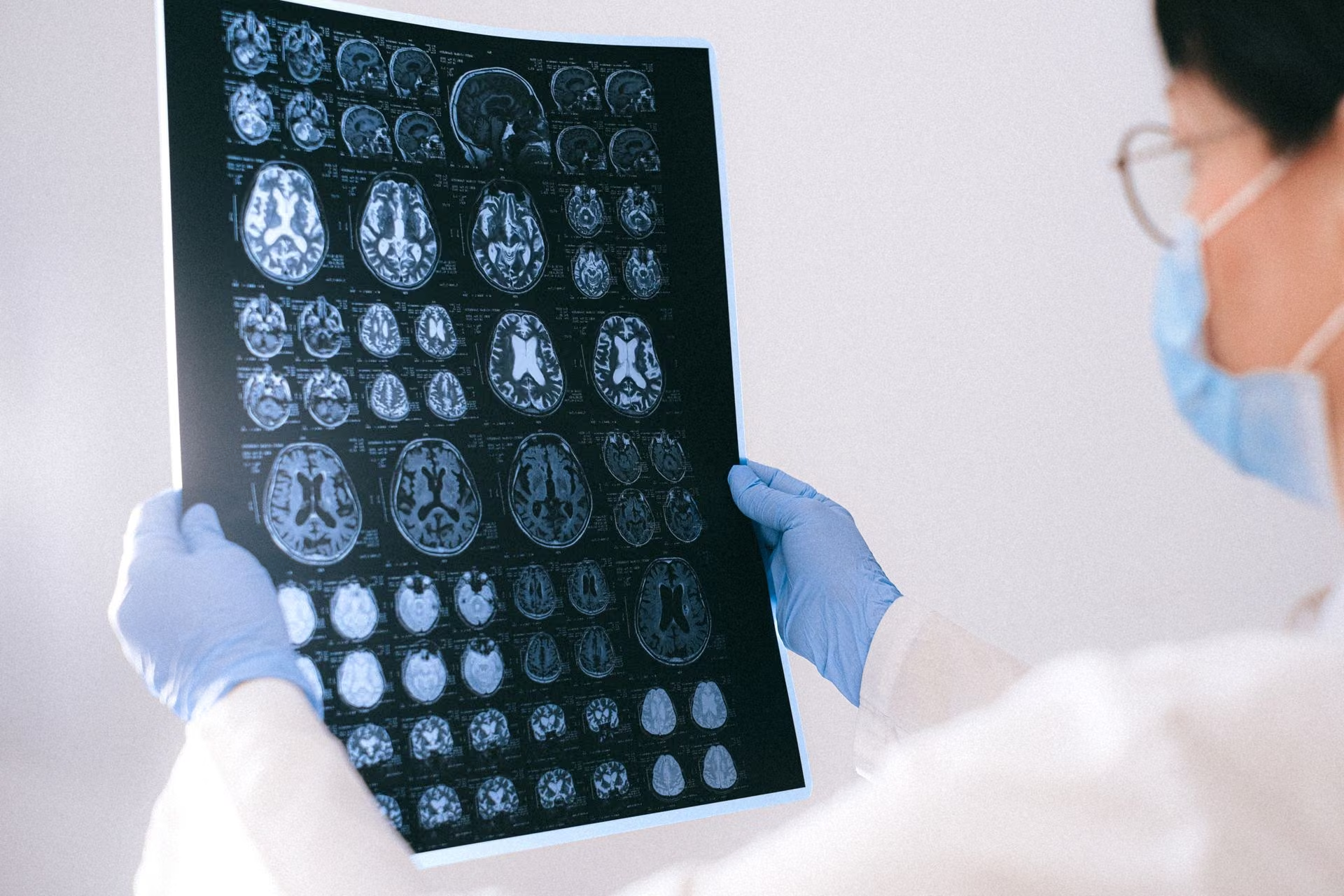
Researchers at Cedars-Sinai Health Sciences University have found that the amygdala, a small brain region known for processing emotions, plays a surprisingly broad role in determining which experiences become lasting memories. The study, published in Nature Neuroscience, looks at why only a small fraction of the countless images and experiences the brain records each day make it into long-term memory.
The walnut-sized amygdala, located deep in the temporal lobe, has long been known for its role in emotional and social behavior, particularly the processing of fear. Its contribution to memory was generally thought to be limited to emotionally significant experiences. The new findings show that its influence also extends to ordinary visual experiences without a distinct emotional component.
Neurons respond to specific kinds of images
The researchers identified neurons that responded preferentially to certain types of images, including faces, animals and landscapes. When these neurons responded more strongly to an image in their preferred category, participants were more likely to remember that image later. This suggests that the strength of specialized neural responses helps predict which experiences remain accessible in memory.
Our results show that the activity of specific types of neurons in the amygdala predicts whether an image will be remembered later, at the time a person first sees it.
Dr. Ueli Rutishauser
Recordings from 112 patients analyzed
To study how the brain selects information for storage, scientists analyzed recordings from 112 patients who had electrodes implanted in their brains to monitor epileptic seizures. The electrodes allowed researchers to measure the electrical activity of individual neurons while participants viewed images they had not seen before. Later the same day, participants were asked to recall the pictures they had seen. Researchers compared memory performance with the earlier neural recordings and identified amygdala activity patterns associated with successful recall. The findings were replicated in two separate datasets.
This unusually large collection of single-neuron recordings was assembled through a multi-institution research consortium led by Cedars-Sinai, with support from the U.S. National Institutes of Health (NIH) BRAIN Initiative. Lead author Dr. Jiayang Xiao led the research.
This rigorous human neuroscience study, which uses next-generation tools, has high potential to turn the discovery into measurable health effects.
NIH program officer Dr. Mauricio Rangel-Gomez
A new target for treatment?
The results raise the possibility that disruptions in amygdala activity may contribute to memory difficulties linked to neurological disorders. Although the recordings show a relationship between neuronal responses and later recall, more research is needed to determine whether changing these responses can improve memory.
Our findings have important clinical implications, because memory loss seen in disorders such as Alzheimer's disease and temporal lobe epilepsy may be partly caused by disrupted processes within the amygdala. The amygdala could therefore become a suitable new target for treating these disorders using neuromodulation or cellular therapies.
Dr. Ueli Rutishauser
Rutishauser, who is also a professor of neurosurgery, noted that the current experiments focused on visual information. Researchers are curious whether the same memory selection process applies to other senses. According to Rutishauser, future studies could examine whether the amygdala also helps determine which sounds and smells become lasting memories.
Science guides
- What is lodos, why does it occur, and what to do during a lodos warning?Lodos is the everyday Turkish name for a strong southwesterly wind. When a warning is issued, guard against roofs, glass, trees and sea hazards, and follow the Turkish State Meteorological Service (MGM).
- Carbon monoxide poisoning: symptoms and preventionCarbon monoxide (CO) is a colorless, odorless gas produced by incomplete combustion in stoves, water heaters and boilers. If you suspect it, get into fresh air at once and call 112.
- What to do in a flood: recommendations for before, during and afterBefore a flood, prepare an emergency kit and evacuation plan; during one, move to high, safe ground and stay out of moving water; afterwards, check electrical and food safety. Follow AFAD and the meteorological service for official warnings.

Comments
Sign in to comment.