

24-hour fasting triggers a mechanism that supports gut repair after radiation
A mouse study at the MD Anderson Cancer Center in the US found that 24-hour fasting increases the beneficial bacterium Akkermansia muciniphila and aids intestinal regeneration after radiation.
· 2 min read
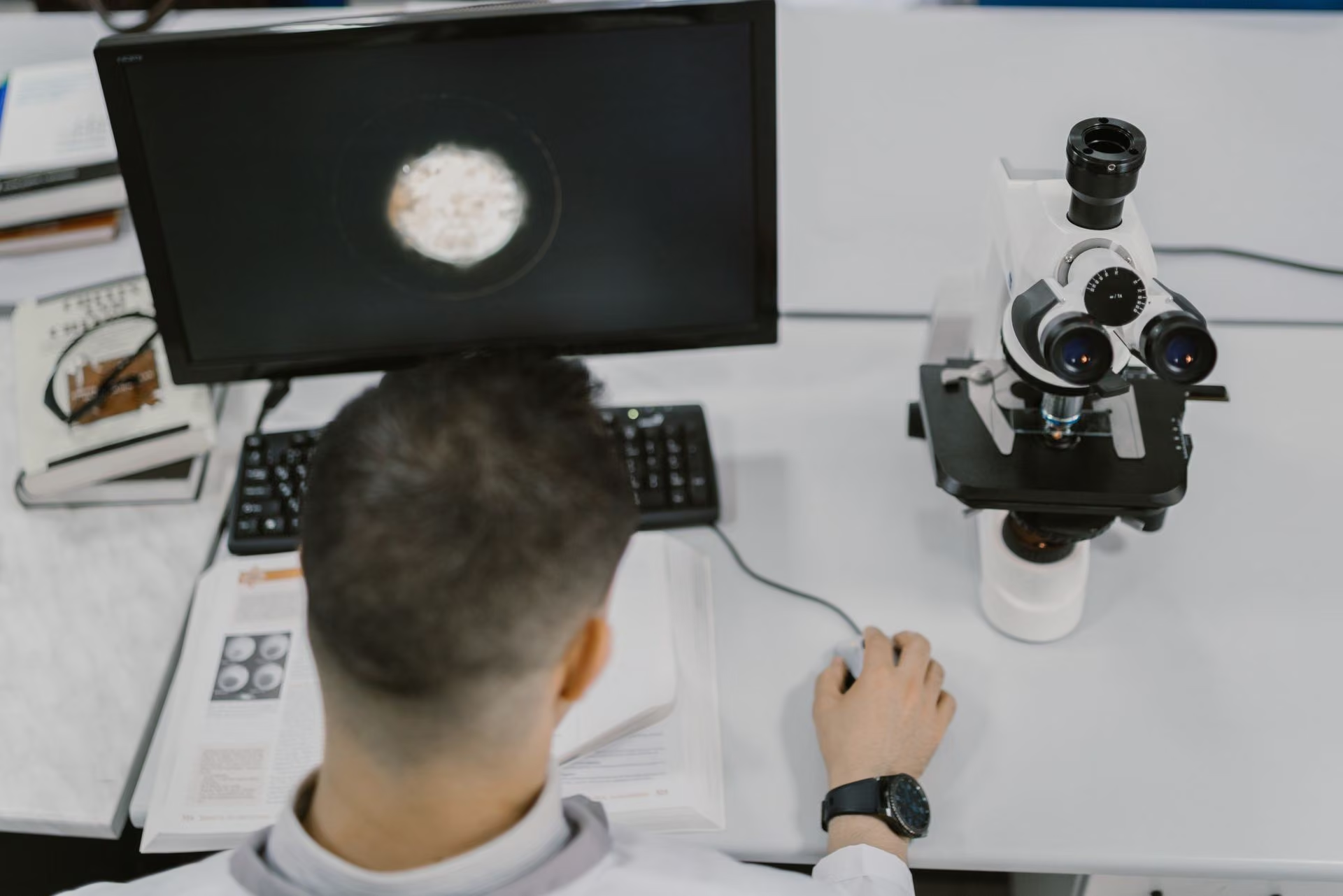
Scientists at the University of Texas MD Anderson Cancer Center in the US found that 24 hours of fasting can help the small intestines of laboratory mice become better prepared to recover after radiation exposure. A beneficial gut bacterium lies at the center of the effect.
The study, published in the Proceedings of the National Academy of Sciences, was co-led by Professor Helen Piwnica-Worms and Professor Kunal Rai. It was funded by the National Cancer Institute, part of the US National Institutes of Health, and the Cancer Prevention and Research Institute of Texas.
How does the mechanism work?
The researchers found that 24-hour fasting strongly promotes growth of the bacterium Akkermansia muciniphila (AKK) in the small intestine. The bacterium produces a metabolite called propionate. Together with other metabolic changes caused by fasting, propionate affects and modifies histone proteins, which act as "spools" that organize and package DNA inside cells.
These chemical changes do not alter the DNA sequence but can affect how genes are expressed. As a result, certain regions of DNA become more accessible, making it easier to activate genes involved in tissue repair.
bağırsak hücrelerini acil durum müdahale planına sahip olacak şekilde eğitmek
Profesör Helen Piwnica-Worms
Piwnica-Worms describes the mechanism with these words (in English: training intestinal cells to have an emergency response plan). Thanks to this preparation, when the intestine is damaged by radiation, cells multiply quickly and help regenerate the damaged lining.
The bacterium's role was tested
To clarify AKK's role, the team removed the bacterium from the mice's gut microbiota. Without it, fasting no longer promoted tissue regeneration as before. The protective effect returned when the bacteria were added back along with fasting. This indicates AKK is an important factor for the fasting-related tissue repair mechanism to work in mice.
Bora Haber previously reported: Abdul El-Sayed elected first Muslim US senator, will take oath on the Quran and Gary Sinise recounts the difficult period of losing his son Mac to cancer.
Background
Piwnica-Worms' laboratory had previously observed that fasting before radiotherapy helped the intestines heal better, but the mechanism behind this was unclear. The new research provides clues about the role of the gut microbiome in the process.
Although the results are promising, the research is still preclinical. More trials are needed to determine whether a similar mechanism exists in humans and whether it can be applied safely in patients undergoing radiotherapy. Kunal Rai noted that fasting is not always suitable or possible for cancer patients. The team therefore aims to find alternatives, such as dietary interventions, probiotic supplements or adding the metabolites, to help healthy tissue heal more effectively while patients continue their treatment.
Science guides
- What is climate change, and what are its causes and effects?Climate change is a lasting shift in Earth's long-term temperature and precipitation patterns. Today its main driver is greenhouse gas emissions from fossil fuels; effects include heatwaves, drought and sea level rise.
- What is artificial intelligence and how does it work?Artificial intelligence is a set of methods that let computers perform tasks normally requiring human intelligence, such as learning, pattern recognition, decision-making and language understanding. Most modern systems learn from examples in data.
- What is lodos, why does it occur, and what to do during a lodos warning?Lodos is the everyday Turkish name for a strong southwesterly wind. When a warning is issued, guard against roofs, glass, trees and sea hazards, and follow the Turkish State Meteorological Service (MGM).
Comments
Sign in to comment.