

About 45% of Adults With Diabetes in Türkiye Are Unaware of Their Condition
Assoc. Prof. Akarsu said on World Diabetes Day that about 4.37 million people in Türkiye do not know they have diabetes, calling for early screening, healthy eating and an active lifestyle.
· 3 min read
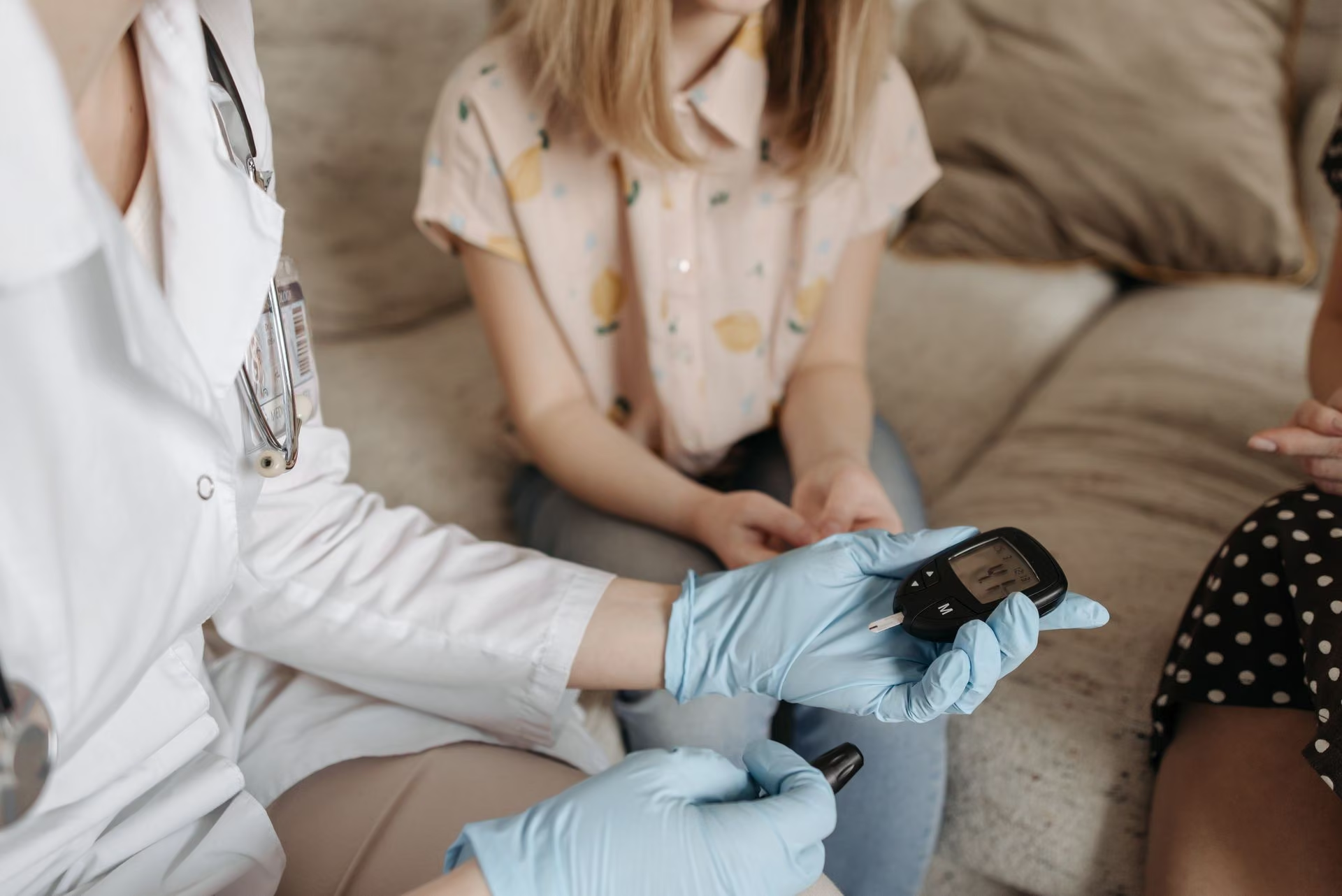
Assoc. Prof. Akarsu said on World Diabetes Day that diabetes, as elsewhere in the world, is a growing public health problem in Türkiye. According to Akarsu, the International Diabetes Federation's (IDF) 2025 data show that about 45.5% of adults with diabetes in Türkiye, roughly 4.37 million people, are not fully aware of their condition.
According to IDF's 2025 data, about 45.5% of adults with diabetes in Türkiye are not fully aware of their disease. This rate corresponds to about 4.37 million people.
Assoc. Prof. Akarsu
Diabetes prevalence is rising
The TURDEP-II study conducted in Türkiye in 2010 found a diabetes prevalence of 13.7% among adults. According to IDF's 2025 data, about 10 million people aged 20-79 live with diabetes, equal to 16-17% of the adult population. With an average prevalence of 9.8% in European Union countries, Türkiye is among the countries with a high diabetes burden.
Akarsu linked the increase to changes in lifestyle. He said the traditionally more active way of life has been replaced by desk work, motorized transport, ready-made food and declining physical activity. Although the traditional cuisine has advantages such as vegetables, legumes, yogurt, whole grains and olive oil, consumption of white bread, refined flour products, rice pilaf, pastries, sugary drinks and packaged snacks has risen. Long commutes in big cities, irregular working hours and a lack of safe walking areas also make exercise harder. He added that economic conditions, education level, environment and working conditions also play a role.
Risk that begins in childhood
Noting that the idea that diabetes appears only in old age is no longer valid, Akarsu said type 2 diabetes is seen more often in adolescence and young adulthood. Calling the rise in childhood obesity a significant problem, he said longer screen time, fewer physical play areas, and ready-made food and sugary drink consumption raise obesity risk. He said that when diabetes starts at a young age, the total time exposed to high blood sugar is longer, increasing the risk of kidney, eye, nerve and cardiovascular complications.
We should no longer see diabetes only as a disease we will face after the age of 50-60. Habits of healthy eating, an active life and weight control should be instilled from childhood. The fight against diabetes must begin in childhood.
Assoc. Prof. Akarsu
Symptoms and complications
Type 2 diabetes can progress for many years without symptoms; in some patients it is first detected during an eye exam, kidney function tests or blood work done for another reason. Drinking a lot of water, frequent urination, dry mouth, unexplained weight loss, weakness, fatigue, blurred vision and slow-healing wounds were listed among the symptoms. Akarsu stressed that people should not wait for these complaints to appear. He recommended evaluation for diabetes for people aged 40 and over, those who are overweight or obese, those with a first-degree relative with diabetes, and those with hypertension or high blood fats.
Akarsu said uncontrolled diabetes can cause vision loss, chronic kidney disease and kidney failure, and numbness, burning and loss of sensation in the nervous system; heart attack, stroke, foot wounds, infection and, in some cases, limb loss are also among its serious consequences. He added that because of diabetic neuropathy, patients may not notice a wound or injury on their feet.
Prevention and treatment
Akarsu said lifestyle changes can reduce the risk of developing type 2 diabetes by about 58% in high-risk people, listing losing 7% of starting body weight and at least 150 minutes of moderate-intensity physical activity per week among the goals. He recommended eating more whole grains, vegetables and legumes and reducing sugary drinks and processed food. He said the main goal of treatment is not only to lower HbA1c but to protect heart, kidney, eye, nerve and vascular health for many years.
Akarsu added that new-generation drugs can help protect heart and kidney health in addition to controlling blood sugar, and that continuous glucose monitoring systems and artificial pancreas technologies can improve blood sugar control and reduce the risk of hypoglycemia, especially in people with type 1 diabetes.
Science guides
- Who can donate blood, how often, and how is it done?To donate blood you need to be in good general health and meet the Turkish Red Crescent's (Türk Kızılay) age, weight and health criteria. Eligibility is decided at a pre-donation screening at the donation centre.
- How do I book a hospital appointment through MHRS?You can book through MHRS (Central Physician Appointment System) on its website, mobile app or the Alo 182 line. Log in with your Turkish ID number, then choose province, hospital, clinic and doctor.
- What is the difference between earthquake magnitude and intensity?Magnitude measures the energy released at an earthquake's source and is a single value. Intensity describes the effects felt at a particular place and varies by location.

Comments
Sign in to comment.