

Five New Miniature Horned Frog Species Discovered in the Eastern Himalayas
Five new small horned frog species have been described in India's Eastern Himalayas. The discovery more than doubled the number of known species in the group.
· 2 min read
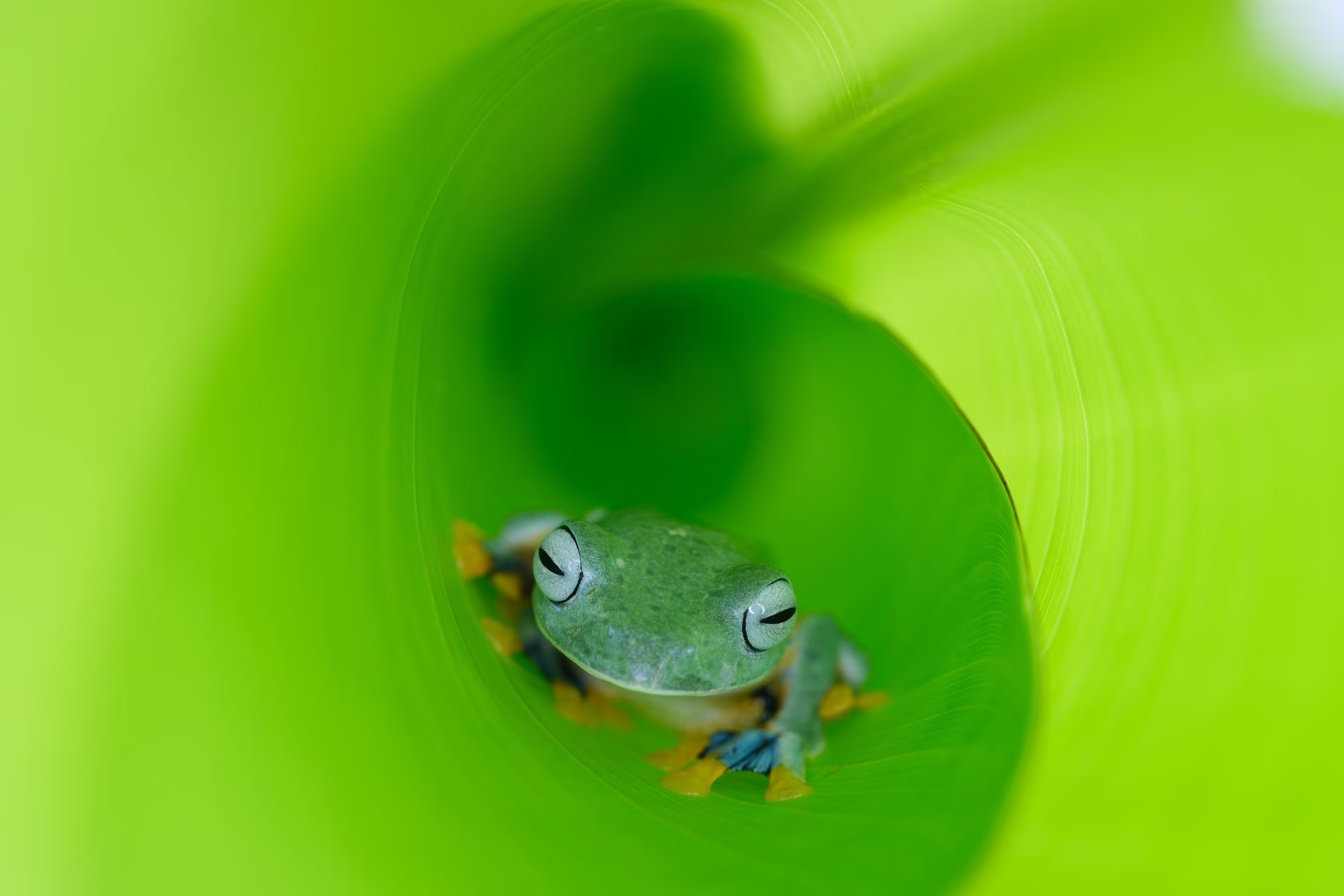
Scientists have discovered five new small horned frog species in the Eastern Himalayas region of India. The finding more than doubled the number of known species in the group.
A team of researchers from Delhi University and Harvard University described the frogs as new species of the Jingophrys group after five years of fieldwork.
The snail-eating horned frog
Among the new species, Jingophrys tanogogo, the snail-eating horned frog, is the first frog known to feed on snails in India. It is also the first member of its family recorded with this kind of diet.
The Himalayas' role in evolution
DNA analyses showed that horned frogs rapidly split into many species in the eastern Himalayas as the Himalayan mountain range rose and the Asian monsoons took shape over millions of years. This process is said to have helped drive the evolution of the region's plants and wildlife.
The research suggests the Himalayas played a much larger role in frog evolution than previously thought and highlights the region as an overlooked biodiversity hub.
Background
Dr. Sonali Garg, who led the work at Harvard University's Museum of Comparative Zoology, stressed that the research shows how important evolutionary changes can go unnoticed in little-studied species.
Researchers say more studies are needed to better understand the biology and conservation needs of these species. The discovery, the product of five years of fieldwork, points to the region's biodiversity still being insufficiently known.
Science guides
- What is the winter solstice, and when is the longest night of the year?The winter solstice is the moment the Sun reaches its southernmost position in the sky for the Northern Hemisphere. It usually falls on 21 December (22 December in some years), bringing the shortest day and longest night.
- How do lunar and solar eclipses happen, and how can you watch them safely?In a solar eclipse the Moon passes between Earth and the Sun; in a lunar eclipse Earth passes between the Sun and the Moon. Never watch a solar eclipse with bare eyes or sunglasses; use certified eclipse glasses.
- Who can donate blood, how often, and how is it done?To donate blood you need to be in good general health and meet the Turkish Red Crescent's (Türk Kızılay) age, weight and health criteria. Eligibility is decided at a pre-donation screening at the donation centre.



Comments
Sign in to comment.