

Prof. Dr. Bülent Erbil: Türkiye has a voice in emergency medicine worldwide
Turkish Emergency Medicine Association President Prof. Dr. Bülent Erbil spoke in Edirne about progress in emergency medicine, disaster training, ER crowding and artificial intelligence work.
· 3 min read
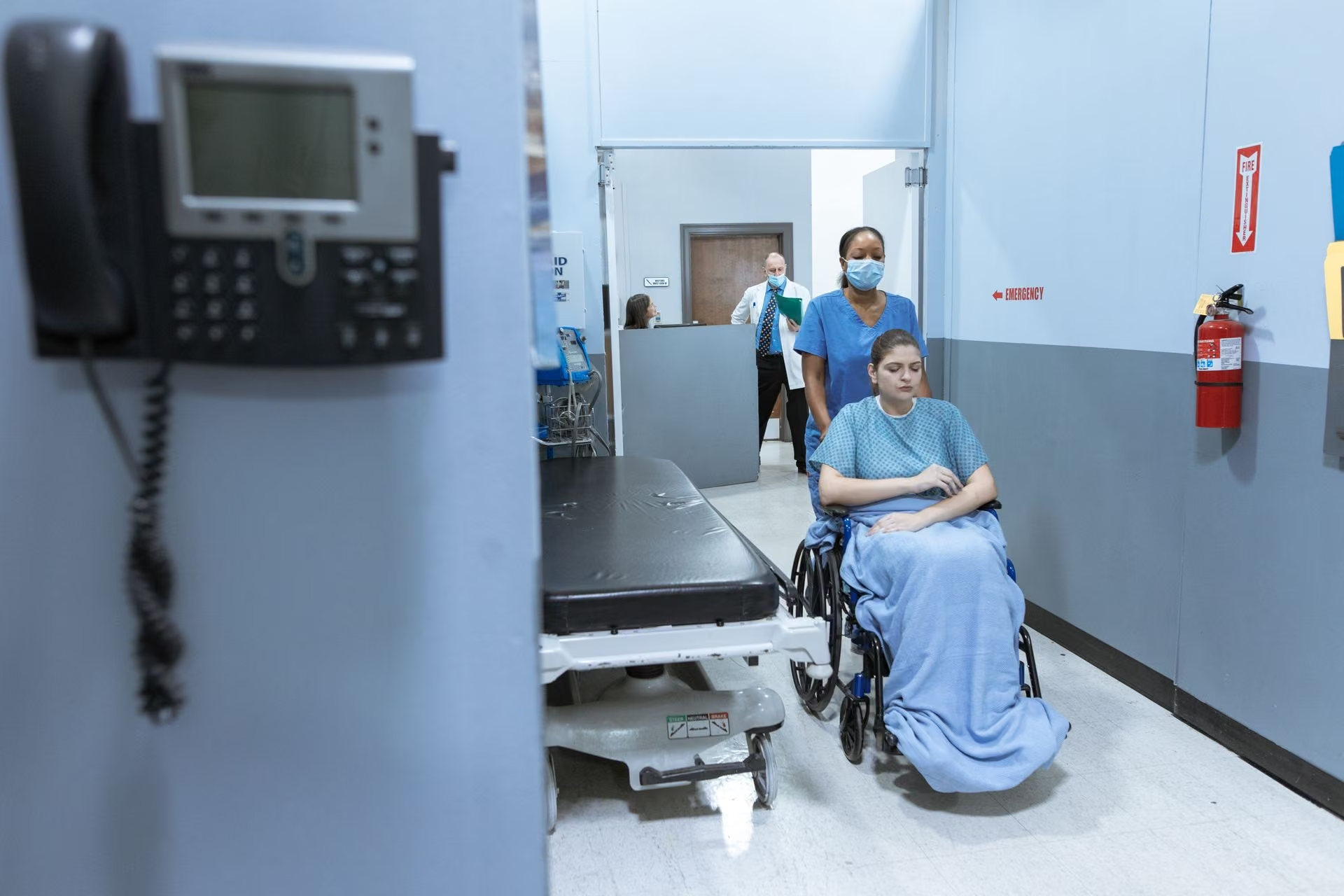
Prof. Dr. Bülent Erbil, Chief Physician of Hacettepe University Adult Hospital and President of the Turkish Emergency Medicine Association, assessed developments in emergency medicine in Edirne, where he attended the 5th Trakya Emergency Medicine Days. Erbil said Türkiye has made marked progress in the field and that pre-hospital health services, the 112 Emergency Health Services and the National Medical Rescue Team (UMKE) deliver high-standard care. He added that emergency care in hospitals has also improved significantly.
Followed internationally
According to Erbil, Türkiye shares its emergency medicine work at international congresses and meetings, and its scientific studies and practices are followed by other countries.
Other countries include the results of our work in their own guidelines. Our country has a say on the European Society for Emergency Medicine, in the US and on emergency medicine platforms worldwide.
Prof. Dr. Bülent Erbil
Erbil said Türkiye has significant experience in disaster management and that lessons learned after the earthquakes centered in Kahramanmaraş have been shared internationally. Noting that the association runs a disaster school, he said these efforts draw great interest from countries around the world. He added that the World Health Organization follows the disaster school project closely and wants its disaster programs implemented in Türkiye and Türkiye to take part in training planned in Europe.
Specialist numbers rising, crowding continues
Erbil said the number of emergency medicine specialists is growing but the need remains. Specialists work in most tertiary hospitals and are becoming more common in secondary ones. He said specialist physicians raise service quality and public trust in emergency departments. In 2025, Türkiye recorded about 450 million outpatient visits, roughly 150 million of them at emergency departments.
We cannot accept excessive crowding in emergency departments as normal, and we must also manage the heavy workload health workers face under that pressure.
Prof. Dr. Bülent Erbil
Erbil said that to sustain quality, patient density must be managed, sufficient staff and capacity provided, and workloads reduced.
Technology and artificial intelligence
Erbil said advanced devices are used in emergency departments, from resuscitation of patients whose heart and breathing have stopped to bedside assessment. He said emergency specialists can make quick bedside evaluations with portable, stethoscope-like ultrasound devices, helping patients get faster and safer diagnosis and treatment.
Noting that artificial intelligence is increasingly integrated into health systems, Erbil said work is under way on AI-supported applications in hospital information management systems. He said AI could help evaluate information in complex patient files faster.
We have not yet started using AI applications widely in emergency departments, but our trials and work in this area continue.
Prof. Dr. Bülent Erbil
Triage system
Erbil said triage is vital in managing crowding. In Türkiye, patients are assessed in red, yellow and green areas according to their condition. The red area is for critical, life-threatening cases who must be treated without delay. The yellow area is for patients who are not in life-threatening danger but may worsen and need intervention within a certain time. The green area serves problems that affect daily activities but do not require urgent intervention. He said some hospitals have set up fast-care areas for green-area patients so lower-priority patients are seen sooner.
Noting that crowding rises in winter with upper respiratory infections and that waiting times vary with hospital capacity and demand, Erbil said it is natural for citizens to expect fast, comfortable service, but the main priority is saving patients in life-threatening condition. He said priority is determined by danger to life, not order of arrival.
Bora Haber previously reported: NASA Space Apps Challenge 2027 Dates Not Yet Set; 2026 Event Runs Nov. 14-15 and 9.6 million diabetes screenings carried out in Türkiye in 2026.
Science guides
- What should be in an earthquake emergency bag?An earthquake bag should hold at least three days of water and food, first aid supplies, a flashlight, whistle, medications, document copies and batteries or a power bank. Keep it near the exit, easy to reach.
- What is a meteor shower, and when and how can you watch one?A meteor shower happens when Earth passes through trails of dust left by a comet or asteroid, producing many “shooting stars.” Dark skies and patience are the keys to watching one.
- What is climate change, and what are its causes and effects?Climate change is a lasting shift in Earth's long-term temperature and precipitation patterns. Today its main driver is greenhouse gas emissions from fossil fuels; effects include heatwaves, drought and sea level rise.
Comments
Sign in to comment.