

STM NETA 300 autonomous underwater vehicle images sunken tank off Kaş
STM's unmanned underwater vehicle NETA 300 carried out an autonomous survey in Kaş, Antalya, and imaged a tank sunk in 2017 as an artificial reef.
· 2 min read
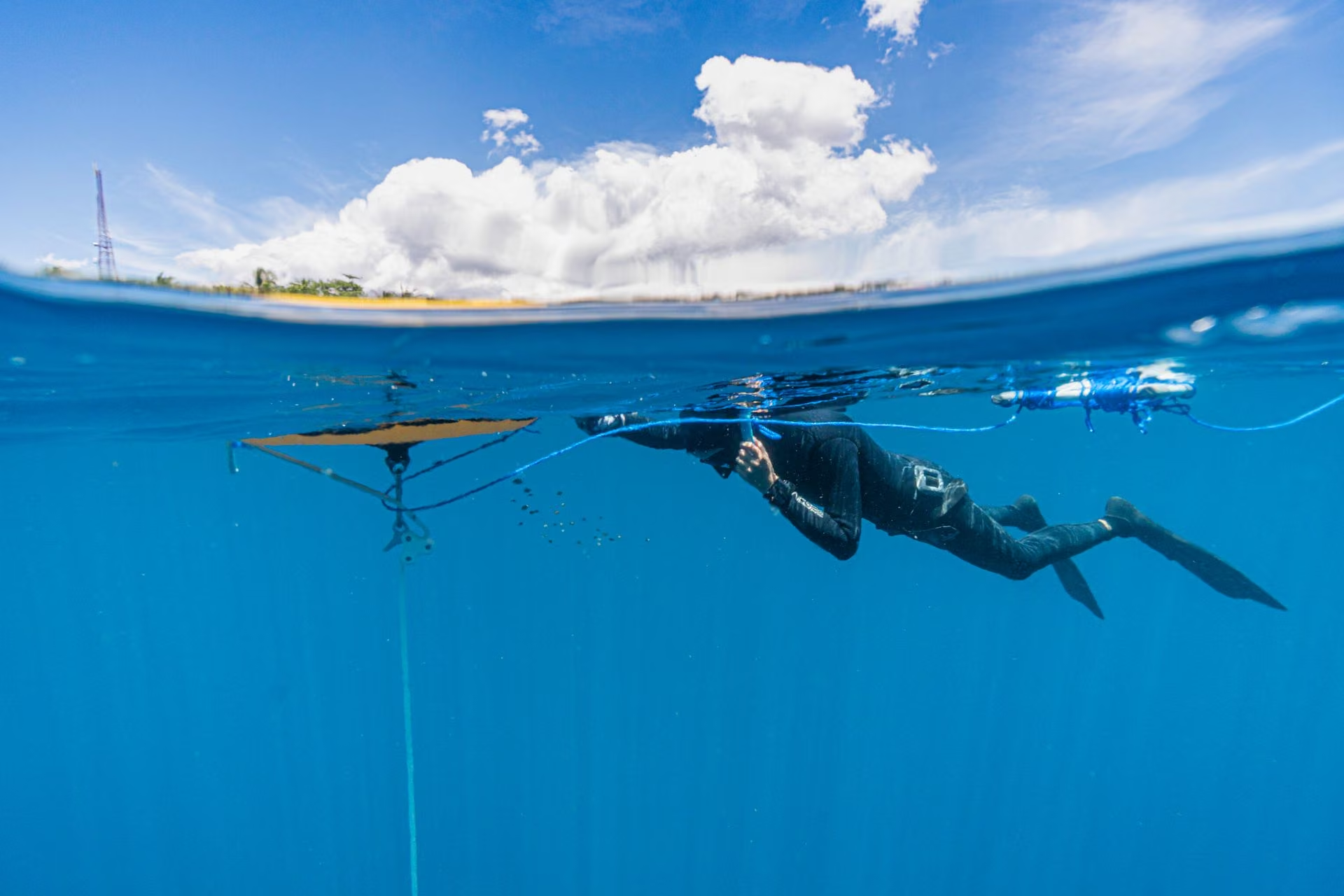
The autonomous underwater vehicle STM NETA 300, developed by STM, carried out underwater survey, search and rescue, and wreck detection and identification activities in Kaş, Antalya. Scanning the seabed with advanced sonar systems and high-resolution imaging, the vehicle imaged a sunken tank in the area during its autonomous survey.
The tank had completed its service life in the Turkish Armed Forces inventory. It was placed underwater off Güvercin Island in 2017 to support diving tourism and create an artificial reef. The mission demonstrated NETA 300's underwater survey, object detection and imaging capabilities in real sea conditions.
STM General Manager Güleryüz's assessment
STM General Manager Özgür Güleryüz said unmanned maritime systems will play an increasingly critical role in future naval operations. He stressed that the company is combining its military maritime engineering experience with artificial intelligence and autonomy technologies.
Denizlerde güvenlik anlayışı, otonom sistemlerin gelişimiyle birlikte önemli bir dönüşüm geçiriyor. STM olarak askeri denizcilikteki köklü mühendislik tecrübemizi yapay zeka ve otonomi teknolojileriyle birleştirerek bu alanda oyun değiştirici sistemler geliştiriyoruz.
Özgür Güleryüz, STM General Manager
Güleryüz said the company has expanded its product family after NETA with the unmanned submarine TENGİZ and the kamikaze unmanned surface vessel STM YAKTU. He said they will keep strengthening the operational capabilities of friendly and allied countries at sea, primarily the Turkish Naval Forces.
Bora Haber previously reported: Türkiye to Launch Digital "Drone Highways" for Autonomous Flights and Erdoğan meets Brazilian President Lula in Antalya on the sidelines of COP31.
Background: TURNAs-2026 and technical features
STM NETA 300 also took part in the TURNAs-2026 Exercise held in Antalya in October. In the advance force operation, it autonomously detected and identified mines and similar underwater threats along the transit route with its sonar systems and high-resolution sensors, contributing to the navigation safety of the main naval units. It also performed scanning and detection activities for the security of critical facilities and pipeline inspection under seabed warfare.
Portable by two people thanks to its compact and modular design, the vehicle can operate for up to 24 hours at a depth of 300 meters and reach a speed of 5 knots. Equipped with side-scan and gap-filler sonar, the system supports detection, classification and identification of mines and similar objects. An option to integrate synthetic aperture sonar (SAS) is also available for a wider scanning area and higher horizontal resolution.
Usable in intelligence, reconnaissance, surveillance, mine countermeasures and port defense in the military field, the vehicle can serve in seabed surveys, pipeline inspection, renewable energy facility inspection and marine archaeology in the civilian field. With its first domestic sales contract signed, NETA 300 is planned to serve with the Turkish Naval Forces.
Science guides
- How do solar and lunar eclipses happen?A solar eclipse happens when the Moon passes between Earth and the Sun and covers it partly or fully. A lunar eclipse happens when the Moon moves into Earth's shadow.
- What is the difference between flu and the common cold?Flu starts suddenly and brings high fever, severe fatigue and body aches. A cold is milder, with a runny nose, sneezing and sore throat. Both are viral, but they are caused by different viruses.
- How to give first aid for heatstrokeHeatstroke is an emergency. Call your local emergency number first, move the person somewhere cool and shaded, loosen clothing, and cool the body quickly with water, wet cloths or ice.
Comments
Sign in to comment.