

Voyager 1 nears a new record in its 49-year journey as its power dwindles
Voyager 1, which has travelled farther than any human-made object, keeps sending signals to Earth despite a weakening power source and a 48-hour communication blackout last October.
· 2 min read
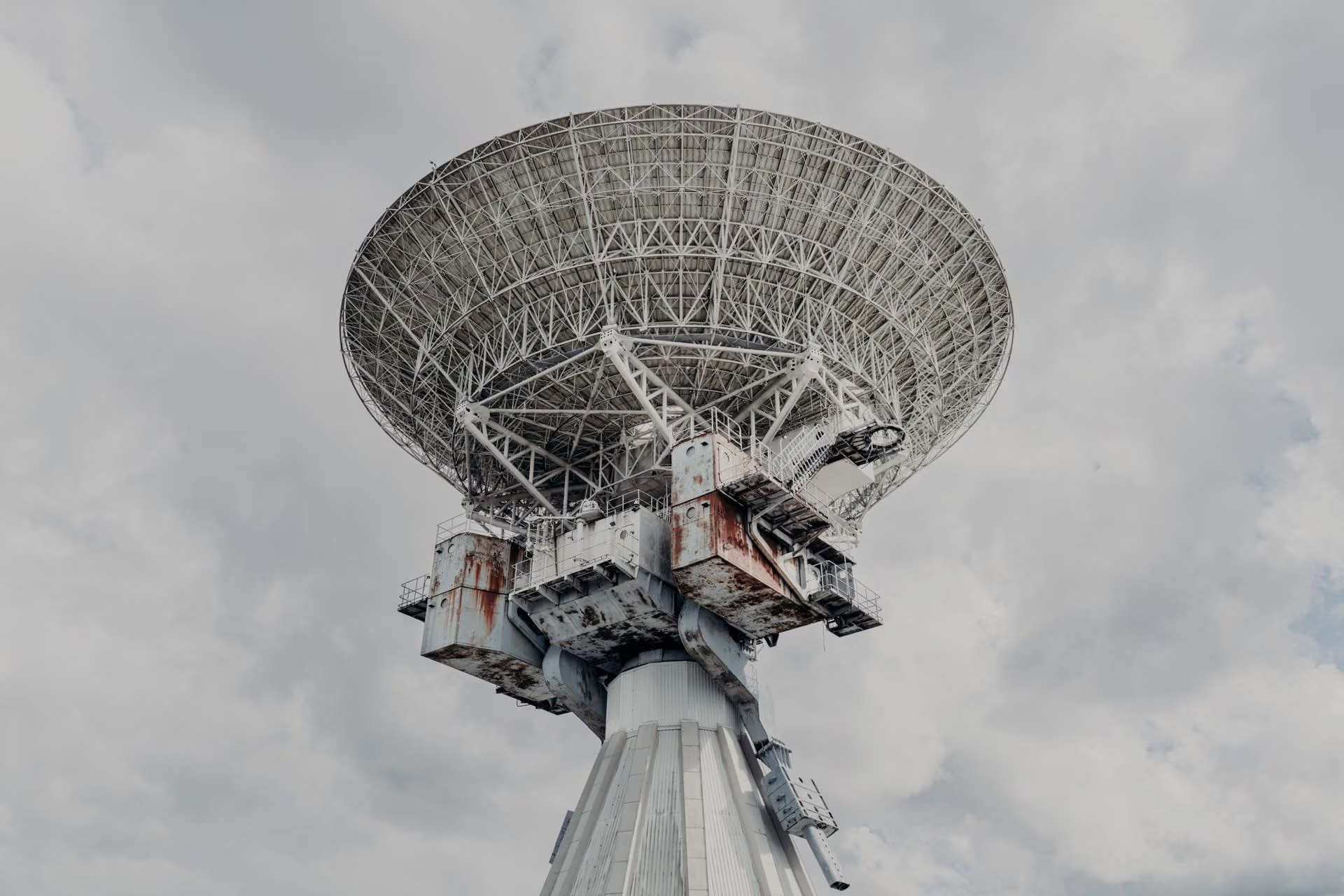
Voyager 1 has been travelling through space for 49 years, going farther than any object made by humans and nearing a new record. The craft's energy is steadily declining, and its link with Earth was recently cut for a time. Even so, its ability to keep sending signals continues to surprise scientists.
48 hours of silence
Last October, communication with Voyager 1 was cut completely for reasons that could not be explained. No signal was received from the craft for a full 48 hours, a tense wait for NASA engineers. The craft's automatic safety systems kicked in and fired its backup thrusters; the signal then began to be received again.
A transmitter with the power of a fridge bulb
Voyager 1 uses a radio transmitter of only 23 watts to send its data to Earth, almost equal to the power of a small refrigerator light bulb. Given the enormous distance, the main difficulty lies in catching this faint signal. Without NASA's giant radio antennas, it would not be possible.
An aging power source
Over the 49-year journey, the craft's plutonium-based power source has aged and loses about 4 watts of power each year. Engineers are shutting down non-essential systems so Voyager 1 can keep operating.
Recently, a maneuver called "Big Bang" replaced some instruments with alternatives that use less power. This step bought the craft a little more life.
Bora Haber previously reported: NASA unveils Promise lunar rover, set to launch to the Moon by end of 2028 and Parker Solar Probe data reveal a hidden order in space turbulence.
Science guides
- How to change your family doctor in TürkiyeA family doctor change is made by applying to the Provincial/District Health Directorate, or through electronic channels where available, under the Ministry of Health's system. Conditions and waiting periods may change, so check the current rules with an official source.
- What is general health insurance (GSS) and who pays premiums?GSS is Türkiye's compulsory health insurance covering residents against healthcare costs. Most people pay the premium themselves or through an employer; the state covers it for certain groups.
- What should be in an earthquake emergency bag?An earthquake bag should hold at least three days of water and food, first aid supplies, a flashlight, whistle, medications, document copies and batteries or a power bank. Keep it near the exit, easy to reach.
Comments
Sign in to comment.