

FDA warns of vision loss risk with weight-loss and diabetes drugs
The US Food and Drug Administration has asked makers of Ozempic, Wegovy and Mounjaro to add to their labels the risk of NAION, a rare eye condition that can cause permanent vision loss.
· 2 min read
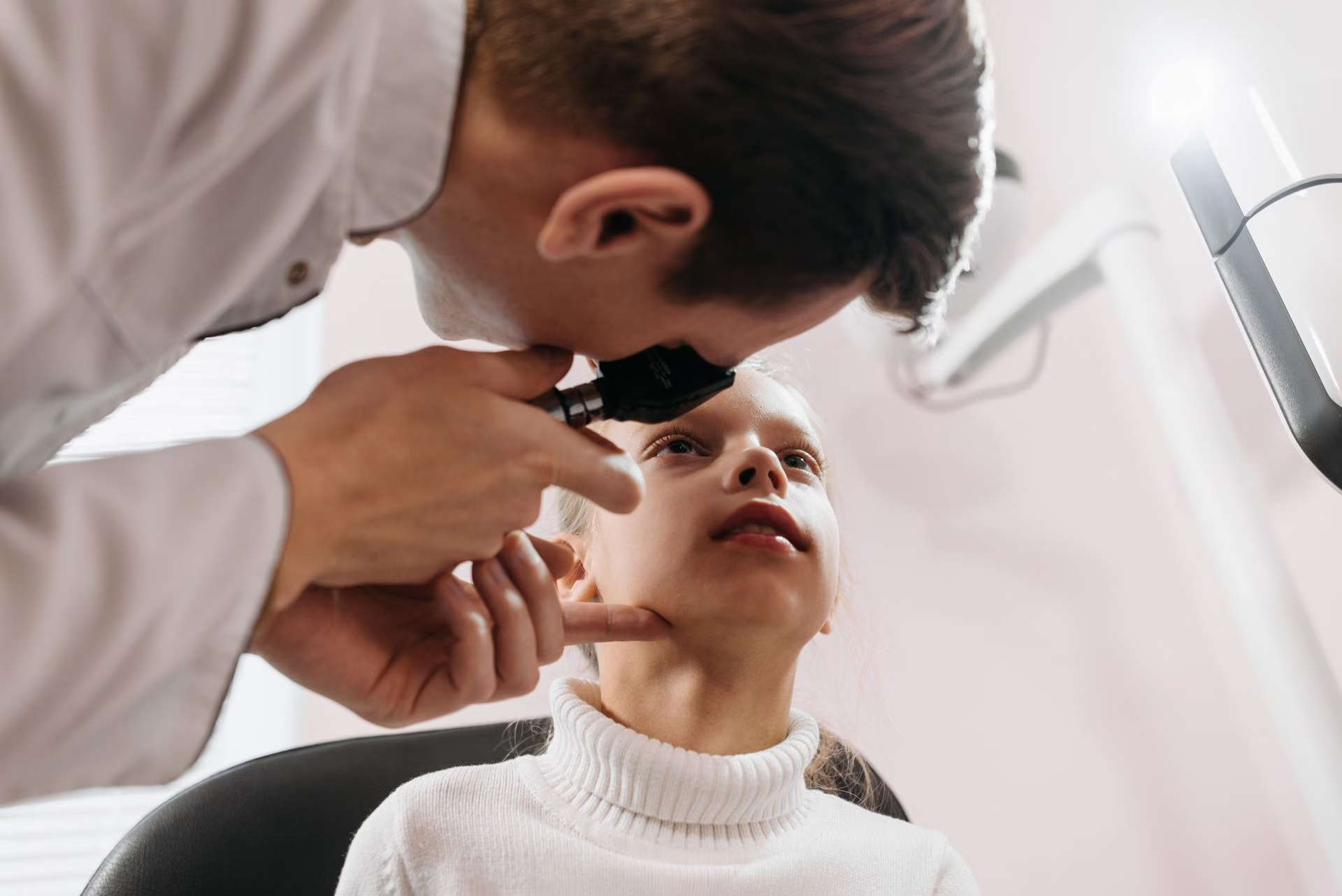
The US Food and Drug Administration (FDA) has issued a new safety warning for drugs used in diabetes and weight-loss treatment, such as Ozempic, Wegovy and Mounjaro. Under the requirement, manufacturers must add a warning to the drugs' safety labels about an eye disease that, although very rare, can cause permanent vision loss.
What is NAION?
The condition is called NAION. It occurs when the blood vessels that feed the optic nerve become blocked, and it can cause sudden, painless vision loss in one eye. There is no known treatment that can reverse the vision loss caused by the disease.
Studies hard to assess
The FDA said some studies on the issue were difficult to evaluate. The reason is that people who take these drugs for obesity and type 2 diabetes may have risk factors for NAION regardless of the medication. The agency said it is not yet known why the risk of the eye disease may be higher in people using these drugs.
Novo Nordisk, the maker of Wegovy, announced that it believes the current data do not establish a cause-and-effect relationship between the drug and the disease.
Background
The risk was first raised by a scientific study published in 2024. In that study, which examined a large group of patients, people using semaglutide were found to be four times more likely to be diagnosed with NAION than those not using it. One of the study's authors, ophthalmology professor Dr. Joseph Rizzo, said the findings were "important but not yet conclusive" and stressed that further research in different patient groups was needed.
In 2025, the European Medicines Agency also recognized NAION as a very rare side effect of semaglutide-containing drugs. A safety committee of the agency said last year that the rate of people affected among users was extremely low. The FDA's latest statement has revived earlier debates over the risk.
Science guides
- How to change your family doctor in TürkiyeA family doctor change is made by applying to the Provincial/District Health Directorate, or through electronic channels where available, under the Ministry of Health's system. Conditions and waiting periods may change, so check the current rules with an official source.
- What is general health insurance (GSS) and who pays premiums?GSS is Türkiye's compulsory health insurance covering residents against healthcare costs. Most people pay the premium themselves or through an employer; the state covers it for certain groups.
- What should be in an earthquake emergency bag?An earthquake bag should hold at least three days of water and food, first aid supplies, a flashlight, whistle, medications, document copies and batteries or a power bank. Keep it near the exit, easy to reach.

Comments
Sign in to comment.