

SpaceX catches Starship returning from orbit in mid-air with tower arms for the first time
After placing 26 Starlink satellites in orbit, Starship was caught by the two mechanical arms of the launch tower at Starbase, Texas, following a mission of about 22 hours.
· 2 min read
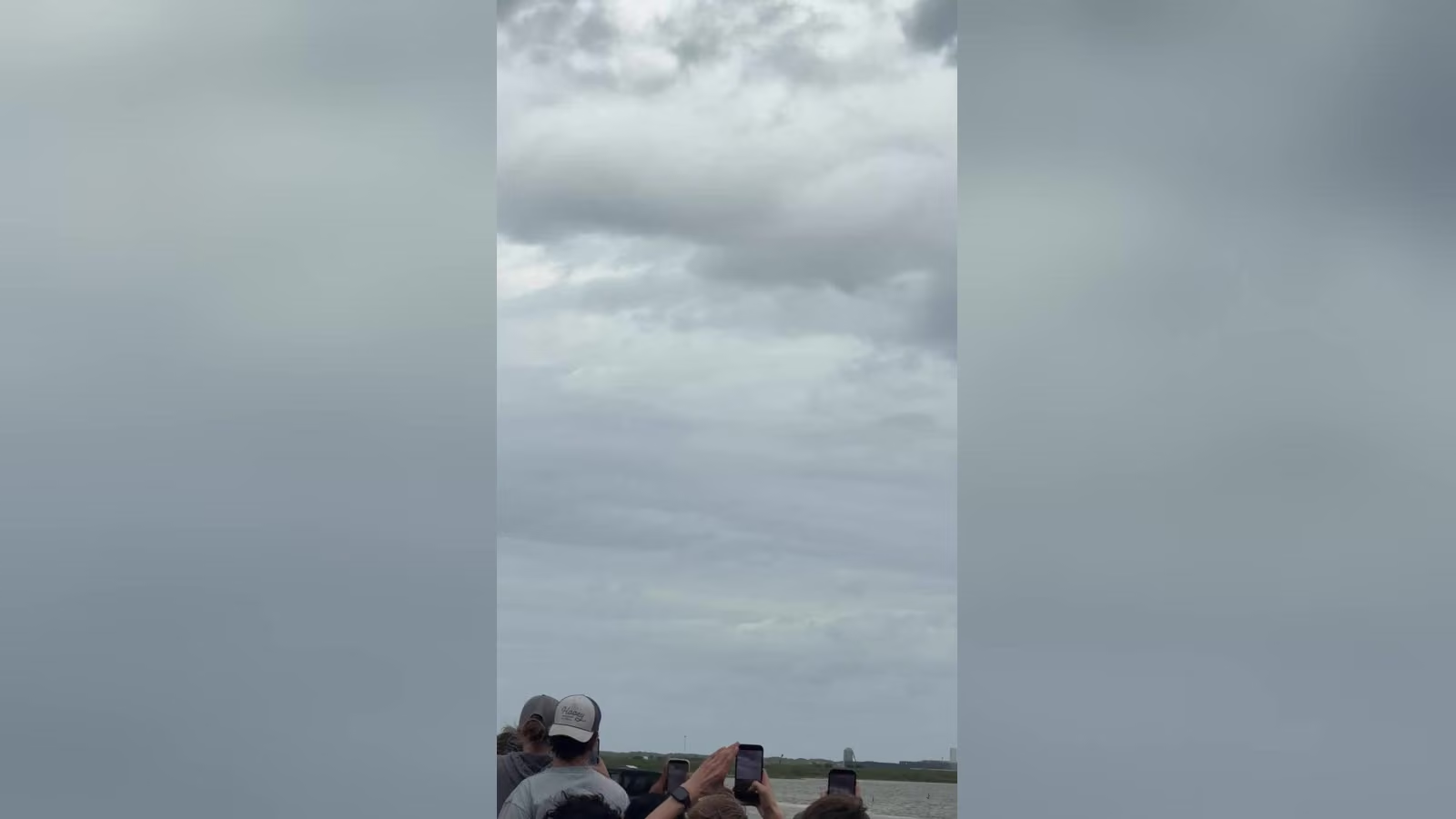
US-based space company SpaceX caught Starship, which had placed 26 Starlink satellites in orbit, in mid-air with the mechanical arms of its launch tower at the Starbase facility in Texas. After a space journey of about 22 hours, the operation marked the first time a rocket returning from orbit has been caught by mechanical arms.
Tower instead of ocean
On its return to Earth, Starship did not use the controlled ocean splashdown method applied before. The rocket approached the launch tower vertically and was caught in mid-air by the two giant mechanical arms on the tower, known as "Mechazilla", completing the landing.
During the mission, Starship deployed the 26 Starlink satellites it carried. After the satellites were released, the vehicle began its return trip to Earth and reached the Starbase facility.
Bora Haber previously reported: Starship's 15th test flight begins: Super Heavy explodes in the air on return and Starship returns from orbit and is caught by the launch tower's mechanical arms.
Background
The flight was Starship's 15th test flight. The system launched from Starbase on Friday; the upper stage reached orbit about 27 minutes after liftoff and was planned to make 14 laps around Earth. The 124-meter-long Starship is being developed for use in SpaceX's future Moon and Mars missions, as well as NASA's Artemis program, which aims to send astronauts back to the lunar surface.
On the same flight, the plan was to return Starship's booster, Super Heavy, to the launch tower and catch it. The booster instead veered off course and fell into the Gulf of Mexico. SpaceX had previously recovered Super Heavy with the tower arms on three test flights.
Science guides
- What is the difference between flu and the common cold?Flu starts suddenly and brings high fever, severe fatigue and body aches. A cold is milder, with a runny nose, sneezing and sore throat. Both are viral, but they are caused by different viruses.
- How to give first aid for heatstrokeHeatstroke is an emergency. Call your local emergency number first, move the person somewhere cool and shaded, loosen clothing, and cool the body quickly with water, wet cloths or ice.
- How do the northern lights (aurora) form, and where can you see them?The northern lights are a glow produced when charged particles from the Sun travel along Earth's magnetic field to the poles and collide with gases in the upper atmosphere. They are best seen at high latitudes on dark, clear nights.
Comments
Sign in to comment.