

Bolat: Türkiye Aims to Raise OIC Share of Its Trade to 30 Percent by 2028
Speaking at the B57+ Business Leaders Summit in Istanbul, Minister Bolat said Türkiye's trade with OIC countries reached 108 billion dollars in nine months and that the aim is to lift the share to 30 percent.
· 3 min read

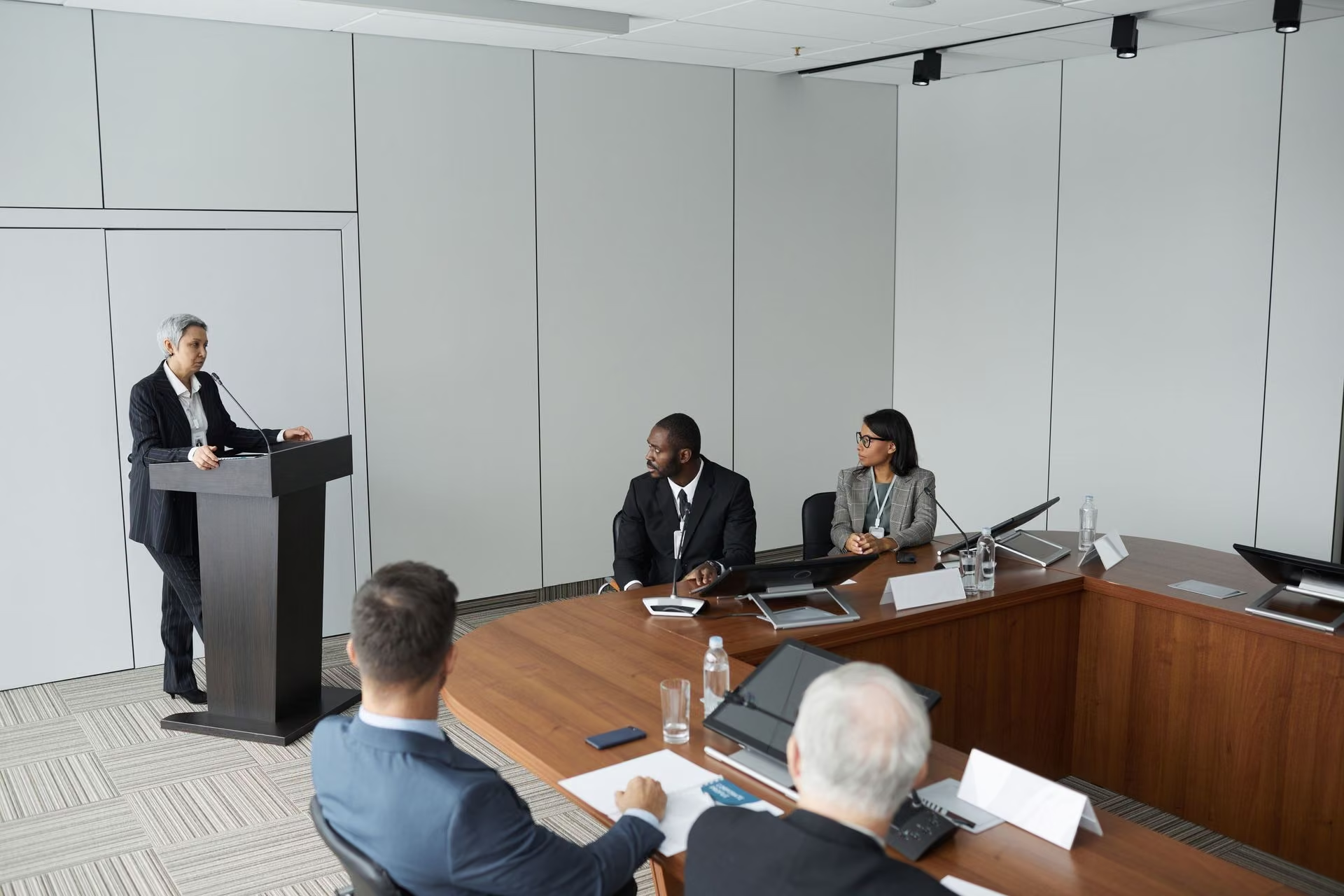
Speaking on the second day of the B57+ Business Leaders Summit, held in Istanbul alongside the 42nd Meeting of the Organisation of Islamic Cooperation (OIC) Standing Committee for Economic and Commercial Cooperation (COMCEC), Minister Bolat set out Türkiye's goal of increasing trade with OIC countries. The summit brings together ministers, senior policymakers, chambers of commerce, investors, multinational companies and business representatives to discuss investment, trade and cross-border cooperation opportunities.
Global risks highlighted
Bolat said the global economy and politics are going through a far-reaching transformation. He noted that geopolitical tensions, wars, climate change, food and energy security challenges, supply chain disruptions, difficulties in accessing finance and rising protectionism directly affect the Islamic world.
Citing SESRIC's 2026 Economic Outlook Report, the minister said the 57-member OIC has a combined population of more than 2 billion, about a quarter of the world's total. He said member states' combined economic size has reached 10 trillion dollars and their total trade volume about 5 trillion dollars, and that these countries grew by an average of 4.1 percent in 2025, above the global average.
According to data from the Islamic Centre for Development of Trade (ICDT), trade among OIC countries reached about 979 billion dollars last year. Bolat said this equals roughly 20 percent of member states' total foreign trade of about 5 trillion dollars.
Türkiye's trade with the OIC
Türkiye's trade volume with OIC countries stood at 87.5 billion dollars in 2013 and rose to almost 120 billion dollars last year. In the first nine months of this year it reached 108 billion dollars, up 8.2 percent from the same period last year. Exports to OIC countries over the same period came to 55 billion dollars. Bolat said they aim to raise the OIC share of Türkiye's total trade from 27 to 30 percent by 2028, adding that the goal is not only to grow volume but to build more balanced, diversified and sustainable relations.
The minister said regional integration is deepening through initiatives such as the Preferential Trade System among OIC Member States (TPS-OIC). He said they believe expanding the system's scope would increase trade, create new investment opportunities and strengthen regional production networks.
Investment inflows
According to Bolat, foreign direct investment inflows to OIC countries rose from 148 billion dollars in 2021 to 220 billion dollars last year. Last year these inflows rose about 0.6 percent compared with 2024. The OIC's share of global foreign direct investment stands at 13.5 percent.
According to Central Bank of the Republic of Türkiye data, 1 billion 622 million dollars of foreign direct investment came to Türkiye from OIC member states last year, and inflows in the first eight months of this year were about 600 million dollars. Bolat said the 1981 OIC Agreement for the Promotion, Protection and Guarantee of Investments among Member States needs to be modernized, and that negotiations to that end began last year.
Noting that global investment is becoming increasingly selective and concentrating in strategic areas such as digital infrastructure, artificial intelligence, clean and renewable energy and advanced manufacturing, Bolat said this shift brings both opportunities and new responsibilities. He stressed that joint investments in renewable energy, infrastructure, agriculture, food security, health, manufacturing and technology would make long-term contributions to the economic resilience of the countries.
Economy guides
- How to check and improve your credit scoreYou can check your credit score through the Credit Bureau of Türkiye's (KKB) Findeks service after verifying your identity. To improve it, pay on time, keep debt balanced and review your report regularly.
- How is the motor vehicle tax (MTV) paid?MTV is paid in two equal installments, in January and July each year, through the Revenue Administration's digital channels, banks or tax offices. Check the current amount with the official source.
- How to apply for KYK scholarships and loansKYK scholarship and loan applications are made online through e-Devlet, run by the General Directorate of Credit and Dormitories under the Ministry of Youth and Sports. Dates and amounts change yearly; check the official source.

Comments
Sign in to comment.