

"Carbon foam" made from agricultural waste can store carbon dioxide and hydrogen
Academics in Türkiye turned agricultural waste left in fields into a carbon foam that can store carbon dioxide and hydrogen. The team is now studying how microplastics can attach to the foam.
· 2 min read
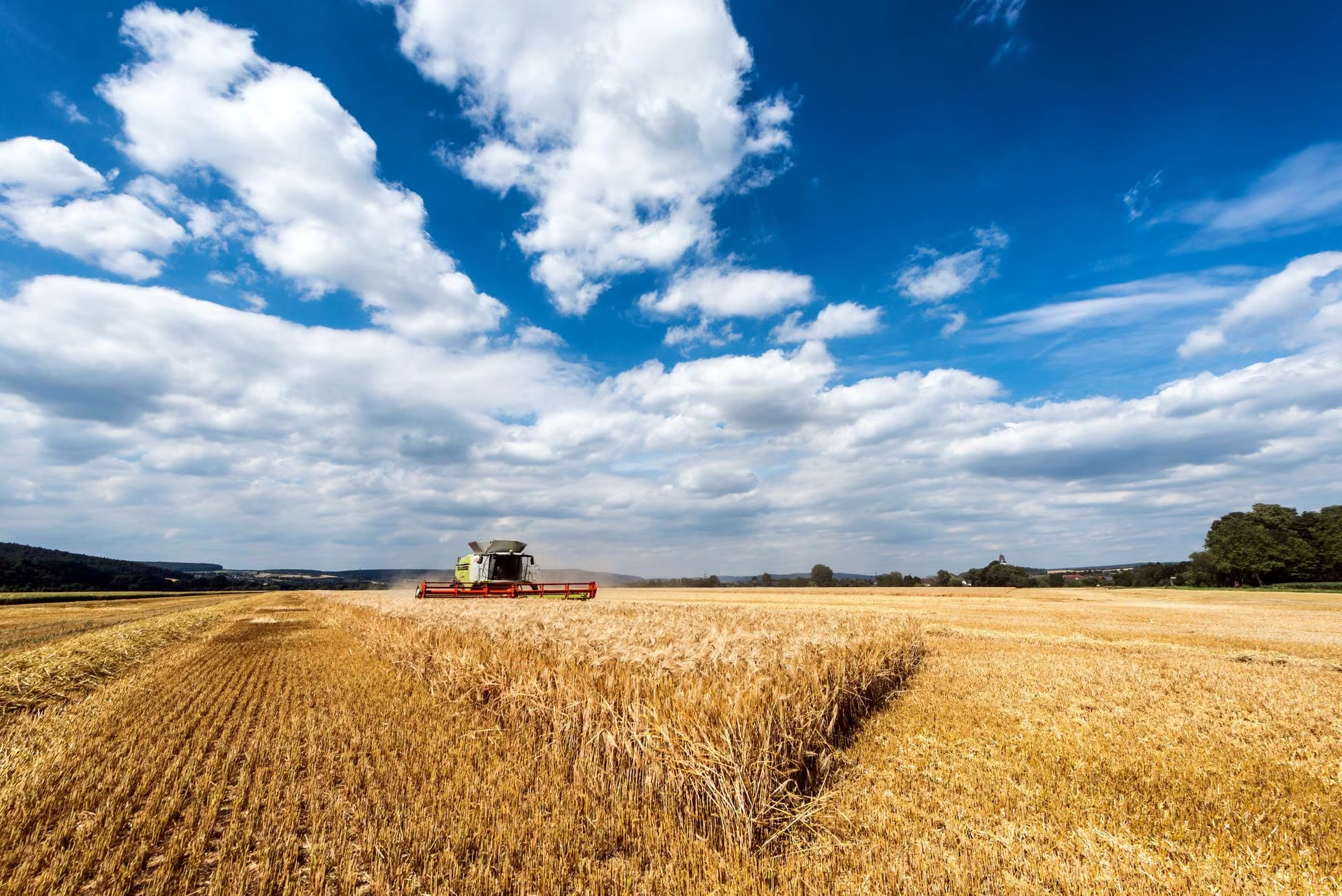
Academics have developed a "carbon foam" that can store carbon dioxide and hydrogen, aiming to help cut carbon footprints and bring agricultural waste into the economy. The team tested the product during production and got positive results. The researchers are now working on getting microplastics to attach to the foam.
Prof. Dr. Balbay described the work at the 31st Conference of the Parties (COP31) to the UN Framework Convention on Climate Change, hosted by Türkiye in Antalya.
Waste becomes a technological product
Balbay said agricultural waste left in fields significantly increases the carbon footprint. As the waste decomposes, methane emissions rise. Turning it into a product with economic value can reduce this burden. The carbon foam, known in the literature as the "Senay process", was produced for this purpose.
We managed to store both hydrogen and carbon dioxide inside carbon foams with our work.
Prof. Dr. Balbay
According to Balbay, the foam made from agricultural waste with no economic value holds carbon dioxide from the air, helping reduce the carbon footprint.
Tax advantage and uses
Companies pay carbon tax for activities that involve fossil fuel use and carbon emissions. Balbay said firms using carbon foam in their machines during production could pay very little tax or be exempt. He added that the foam could also be used in water treatment, sound insulation materials and composites used particularly in the defense industry.
Microplastics project
Dr. Büşra Şensoy Gün, a lecturer at the Central Research Laboratory Application and Research Center of Bilecik Şeyh Edebali University, said she works on microplastics and sustainability. According to Gün, a new study is under way on the carbon foam designed by Balbay. The aim is to develop a method for microplastics to attach to the foam when treating wastewater from textile workshops or factories. Gün said the project will conclude soon.
Bora Haber previously reported: Erdoğan meets Brazilian President Lula in Antalya on the sidelines of COP31 and Albanese and Minister Bowen's phone joke at COP31 caught on camera.
Guides on this topic
- What is climate change, and what are its causes and effects?Climate change is a lasting shift in Earth's long-term temperature and precipitation patterns. Today its main driver is greenhouse gas emissions from fossil fuels; effects include heatwaves, drought and sea level rise.
- What is a COP climate summit, and why does COP31 matter?COP is the annual decision-making body of the countries party to the UN Framework Convention on Climate Change. COP31 is held in 2026 in Antalya, Türkiye, with Australia presiding over the negotiations.
Science guides
- How do solar and lunar eclipses happen?A solar eclipse happens when the Moon passes between Earth and the Sun and covers it partly or fully. A lunar eclipse happens when the Moon moves into Earth's shadow.
- What is the difference between flu and the common cold?Flu starts suddenly and brings high fever, severe fatigue and body aches. A cold is milder, with a runny nose, sneezing and sore throat. Both are viral, but they are caused by different viruses.
- How to give first aid for heatstrokeHeatstroke is an emergency. Call your local emergency number first, move the person somewhere cool and shaded, loosen clothing, and cool the body quickly with water, wet cloths or ice.

Comments
Sign in to comment.