

China Corner at COP31: 3,000-year-old plant dyeing and Ding porcelain in Antalya
At the UN climate conference in Antalya, artisans from Hebei presented plant dyeing and Ding porcelain carving at the China Corner.
· 2 min read
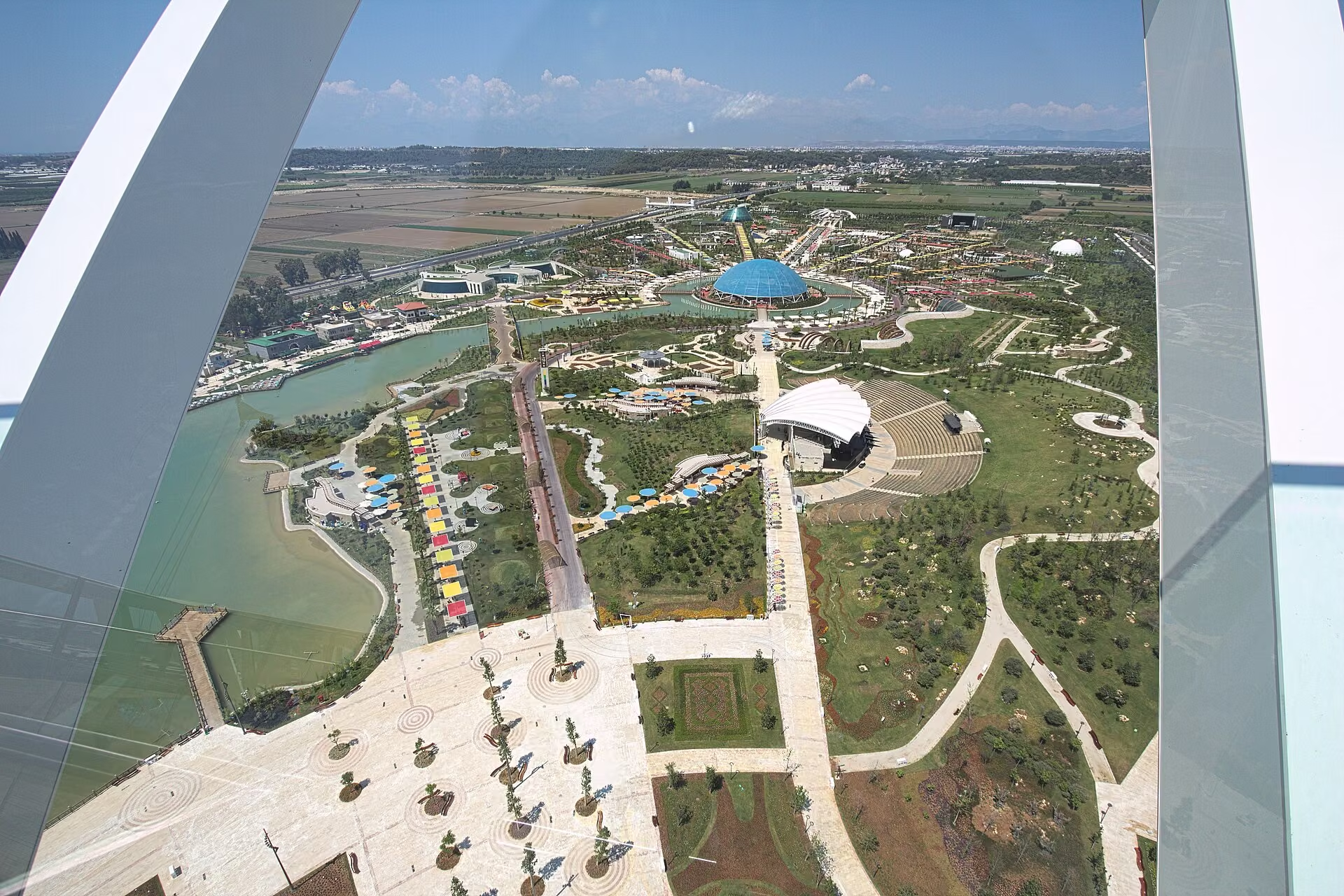
Traditional Chinese crafts were presented at the "China Corner" of the United Nations Climate Change Conference (COP31), held in Antalya, Türkiye, from 9 to 20 November. The event on 13 November, themed "Ecological Environment Protection and Rural Development", focused on the link between safeguarding cultural heritage and environmentally friendly production.
Which crafts were on show?
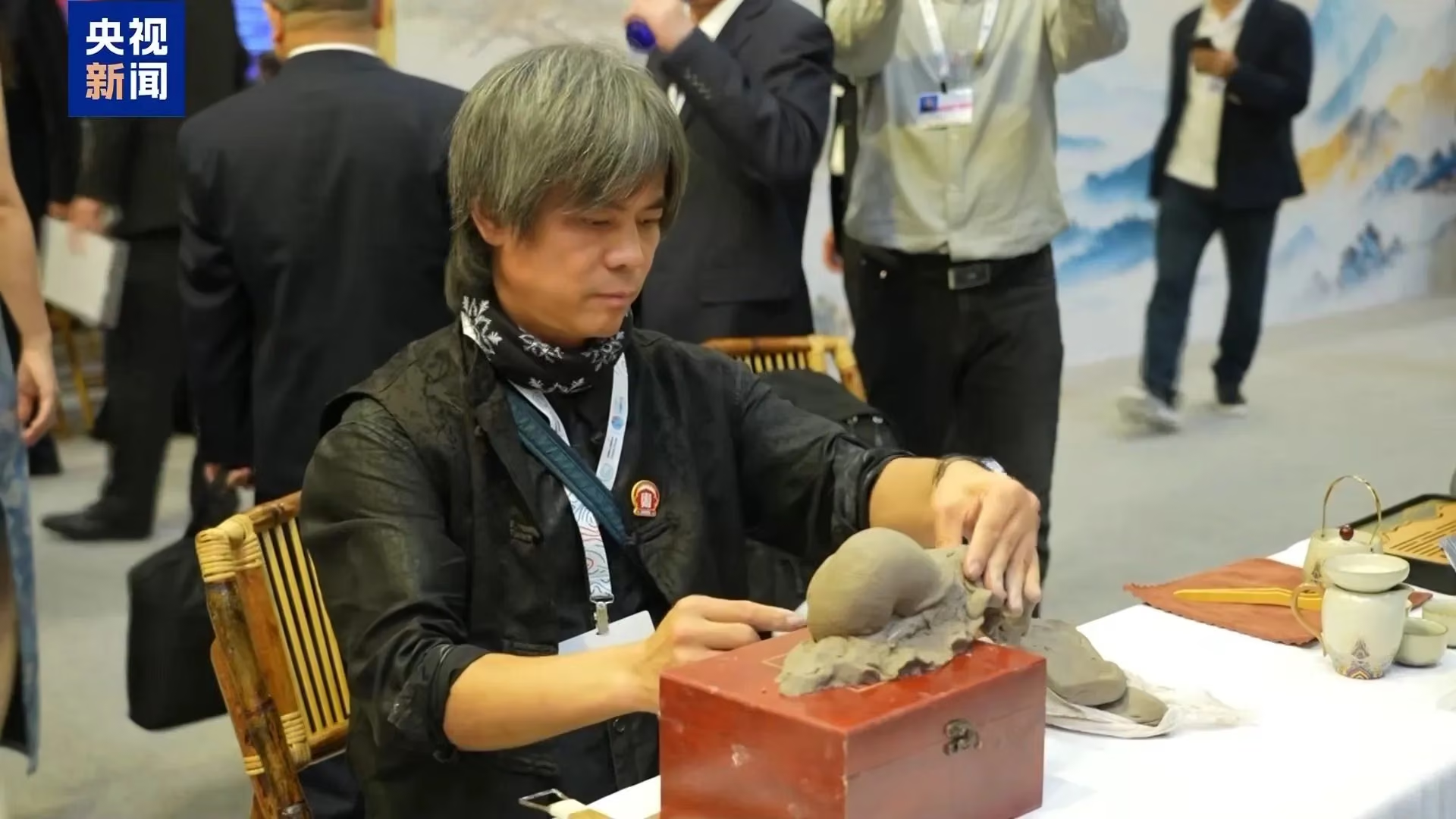
Artisans from the city of Baoding in China's Hebei province demonstrated two traditions: plant dyeing and carving on Ding porcelain, which is specific to the Quyang area. Both are recognised in China as intangible cultural heritage.
- Plant dyeing: colouring fabric with dyes obtained from plants.
- Ding porcelain carving: hand-carving patterns on the white porcelain of Quyang.
"Dye residues break down in nature"
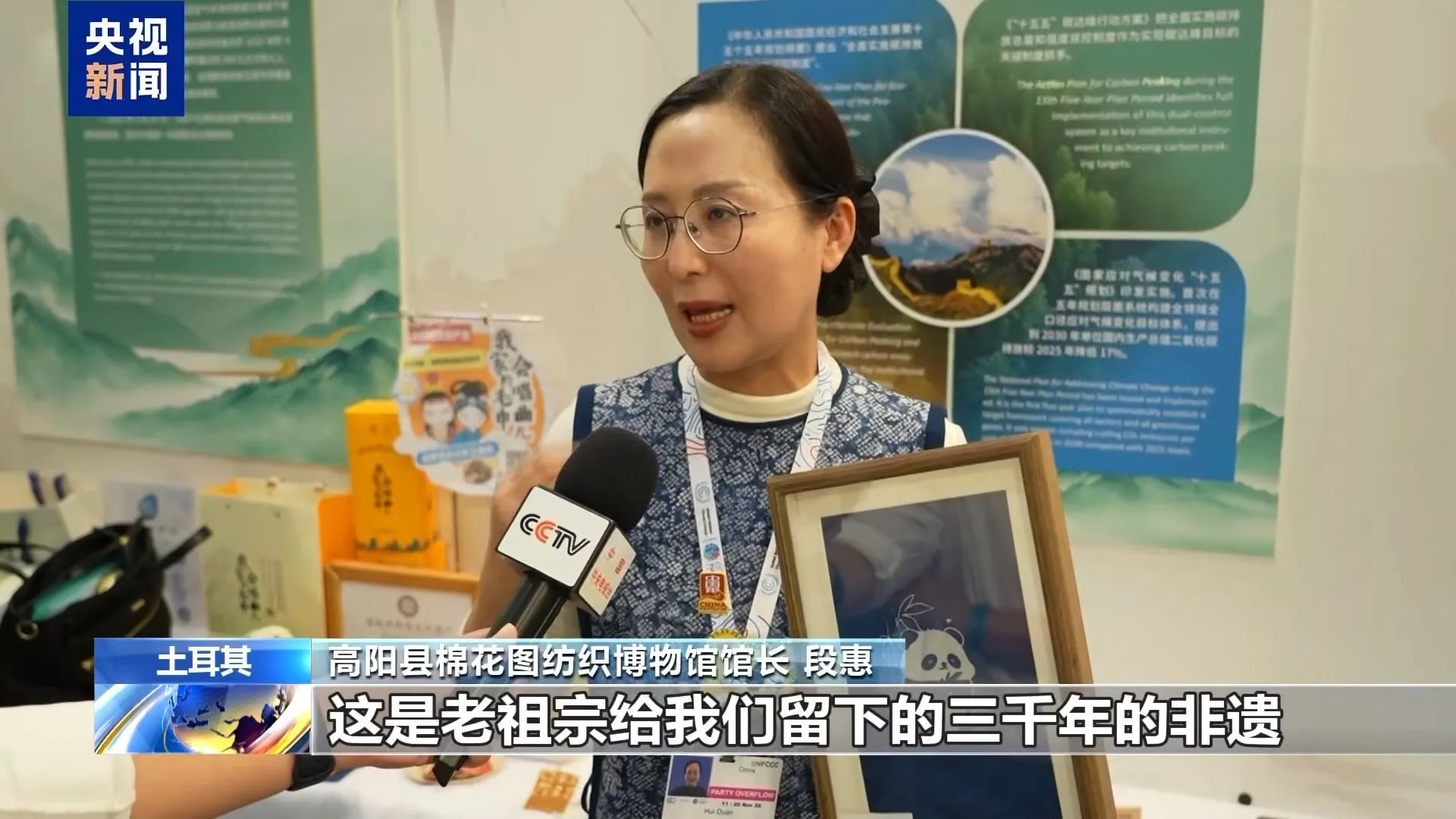
Duan Hui, director of the Gaoyang Cotton Weaving Museum, said plant dyeing goes back about 3,000 years according to written sources and 5,000 years according to archaeological finds. She said the method suits recyclable, low-carbon production and that dye residues can decompose in nature.
A "green production" claim for porcelain
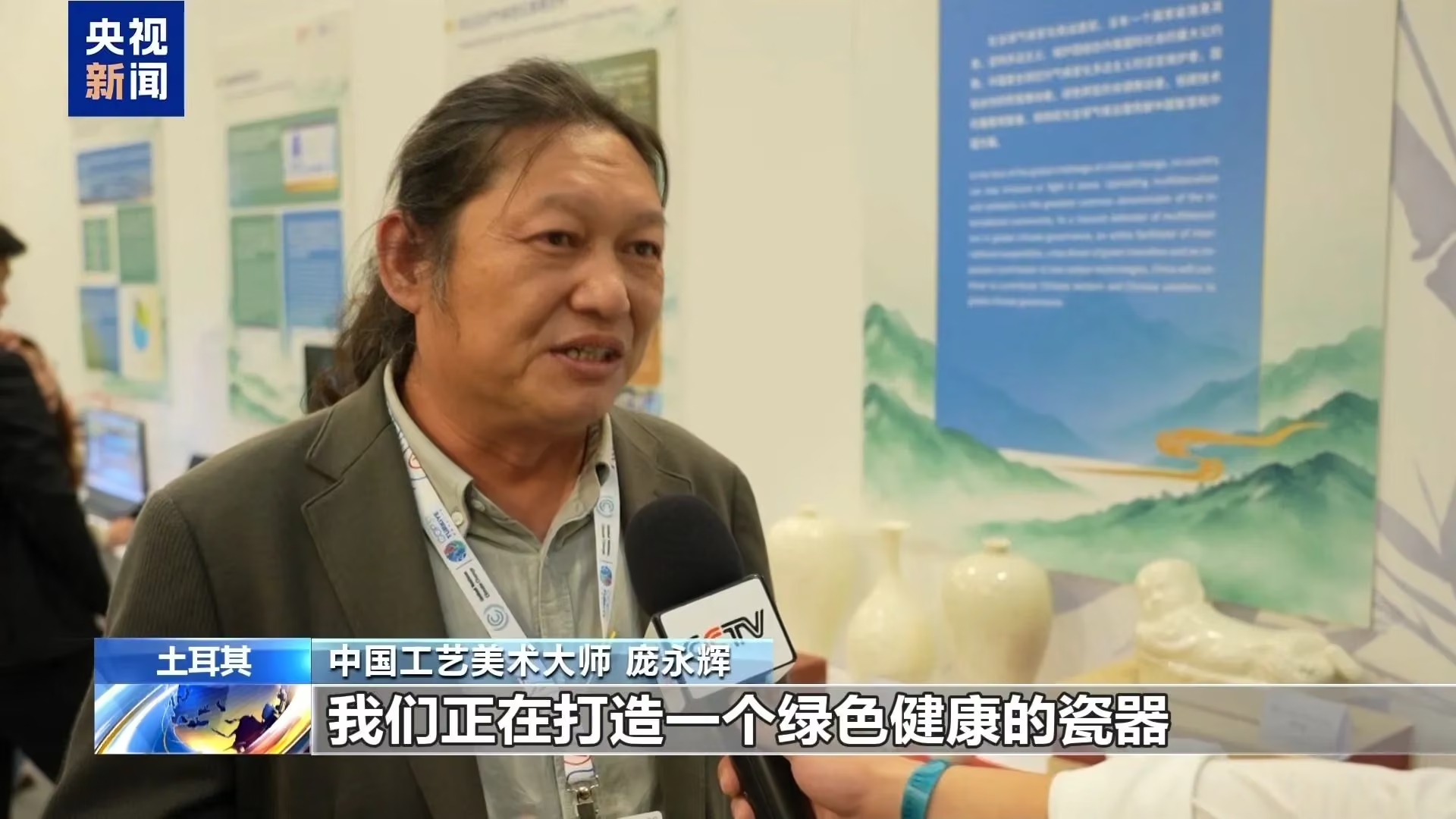
Chinese arts and crafts master Pang Yonghui claimed that their porcelain goes beyond European Union standards in heavy metal release and glaze hardness. According to Pang, this means the pieces can be cleaned with warm water, without detergent. These figures are the artisan's own statement; no independent measurement was shared.
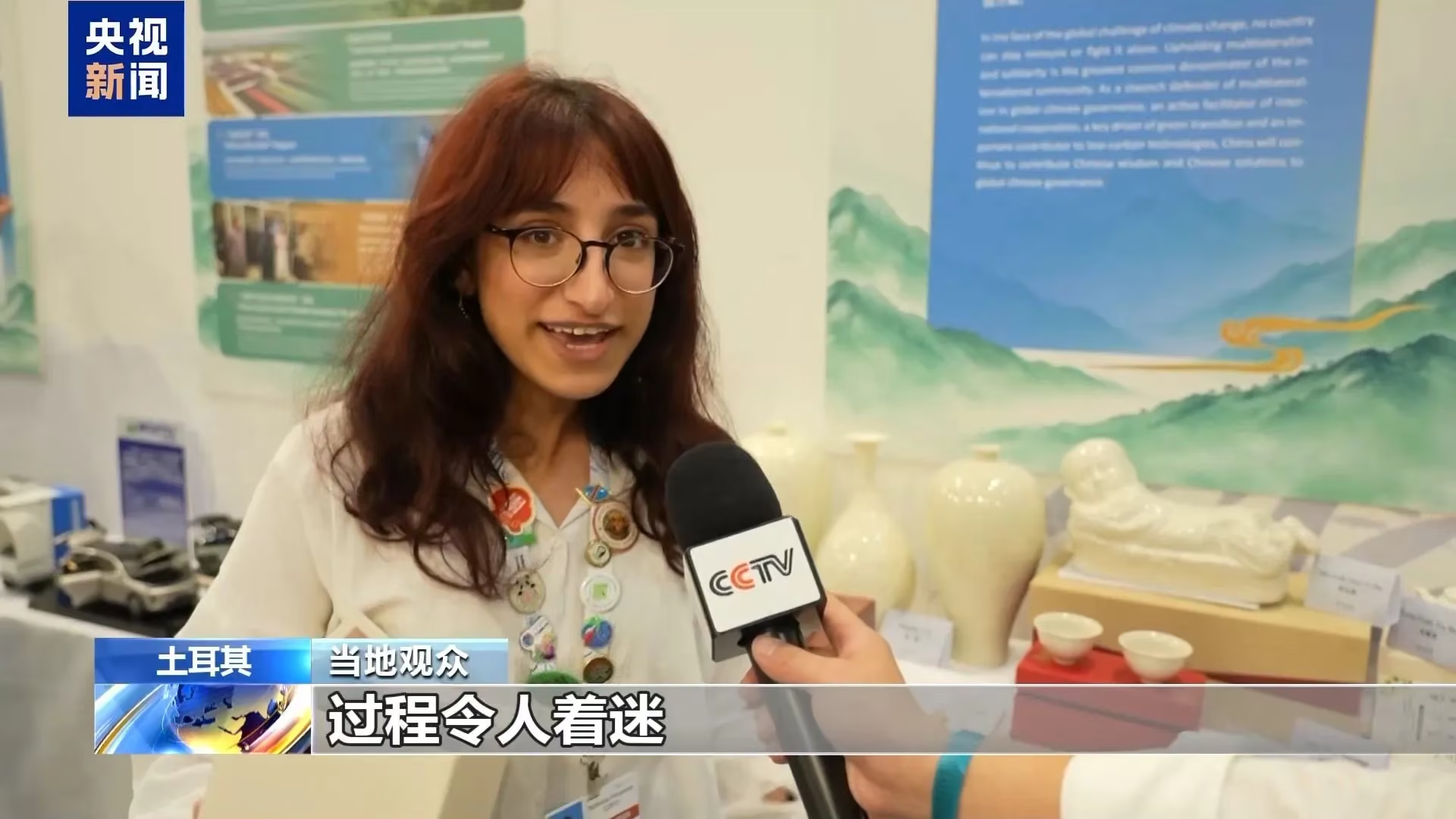
A visitor at the stand said she liked the handmade cups and found the making process fascinating.
What is COP31 and when does it end?
COP31 is the 31st conference of the parties to the United Nations Framework Convention on Climate Change. The meetings in Antalya end on 20 November. Countries use their pavilions at the venue to present climate policies and examples of green transition.
Guides on this topic
- What is climate change, and what are its causes and effects?Climate change is a lasting shift in Earth's long-term temperature and precipitation patterns. Today its main driver is greenhouse gas emissions from fossil fuels; effects include heatwaves, drought and sea level rise.
- What is a COP climate summit, and why does COP31 matter?COP is the annual decision-making body of the countries party to the UN Framework Convention on Climate Change. COP31 is held in 2026 in Antalya, Türkiye, with Australia presiding over the negotiations.
World guides
- What is NATO and how does it make decisions?NATO is an intergovernmental military and political alliance founded in 1949, built on the collective defence of its members. Decisions are taken in the North Atlantic Council by consensus, not by voting.
- How does the European Union work, and where does Turkey's accession process stand?The EU is a union of member states that delegate powers to common institutions. Turkey became a candidate in 1999 and began negotiations in 2005; the process has been effectively stalled for a long time.
- How does the United Nations work and what does the General Assembly do?The UN, founded in 1945, is an organization where member states cooperate on peace, security, development and human rights. The General Assembly is its main deliberative body, where every member has one vote.
Comments
Sign in to comment.