

Education Ministry Changes Assessment Regulation: No Exams in Preschool and Primary School
Under the amendment published in the Official Gazette, no exams of any kind may be held in preschools and primary schools, and assessment will run on digital tools approved by the Ministry.
· 2 min read

The regulation amending the Ministry of National Education's Assessment and Evaluation Regulation was published in the Official Gazette and has entered into force. It aims to align assessment activities in public and private preschool, primary and secondary institutions affiliated with the Ministry with the Türkiye Century Maarif Model.
The new approach emphasizes tracking students' progress in their learning, identifying learning needs, giving students feedback and improving instruction accordingly.
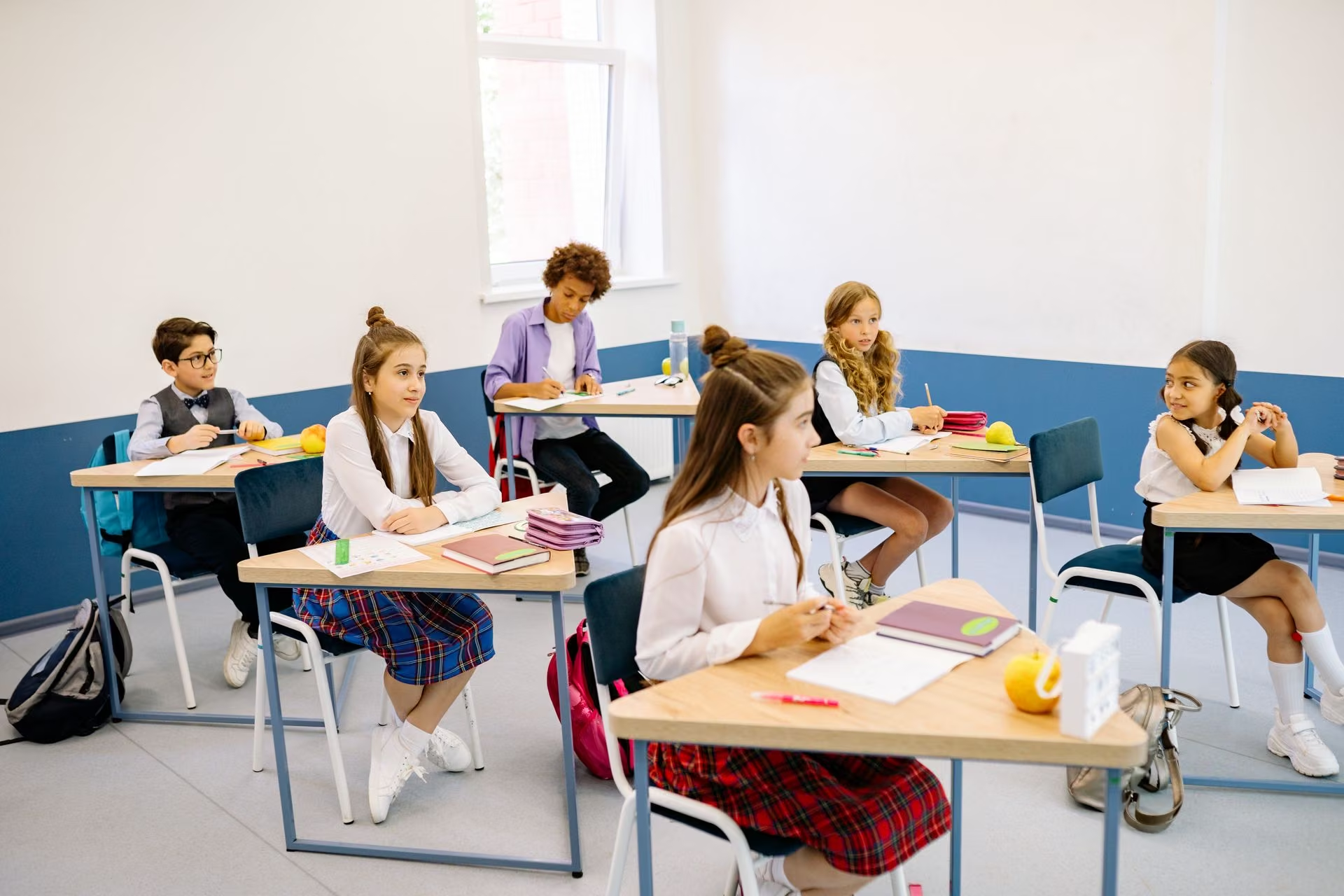
No exams in preschool and primary school
Under the regulation, no exams under any name may be held in preschools and primary schools. The main aim at these levels will be to monitor and support students' cognitive, physical, social and emotional development over time.
Student success will be determined from evidence obtained through assessment practices suited to each course, based on the learning outcomes in the curriculum. A student's progress can also be followed through the curriculum. Assessment results cannot be used to rank, compare or benchmark students, classes, schools or provinces.
Digital tools and artificial intelligence
Assessment activities will be carried out only with digital systems and tools the Ministry deems appropriate. AI tools approved by the Ministry may be used to support question preparation and evaluation and to make them more effective. Tools developed by the Ministry will be used with personal data privacy in mind.
By conducting national and international monitoring studies electronically, the aim is to make more effective use of digital technologies in tracking students' learning progress and supplying data for education policy. Digital applications can allow interactive questions and multimedia content, supporting the assessment of student skills through a wider range of tasks.
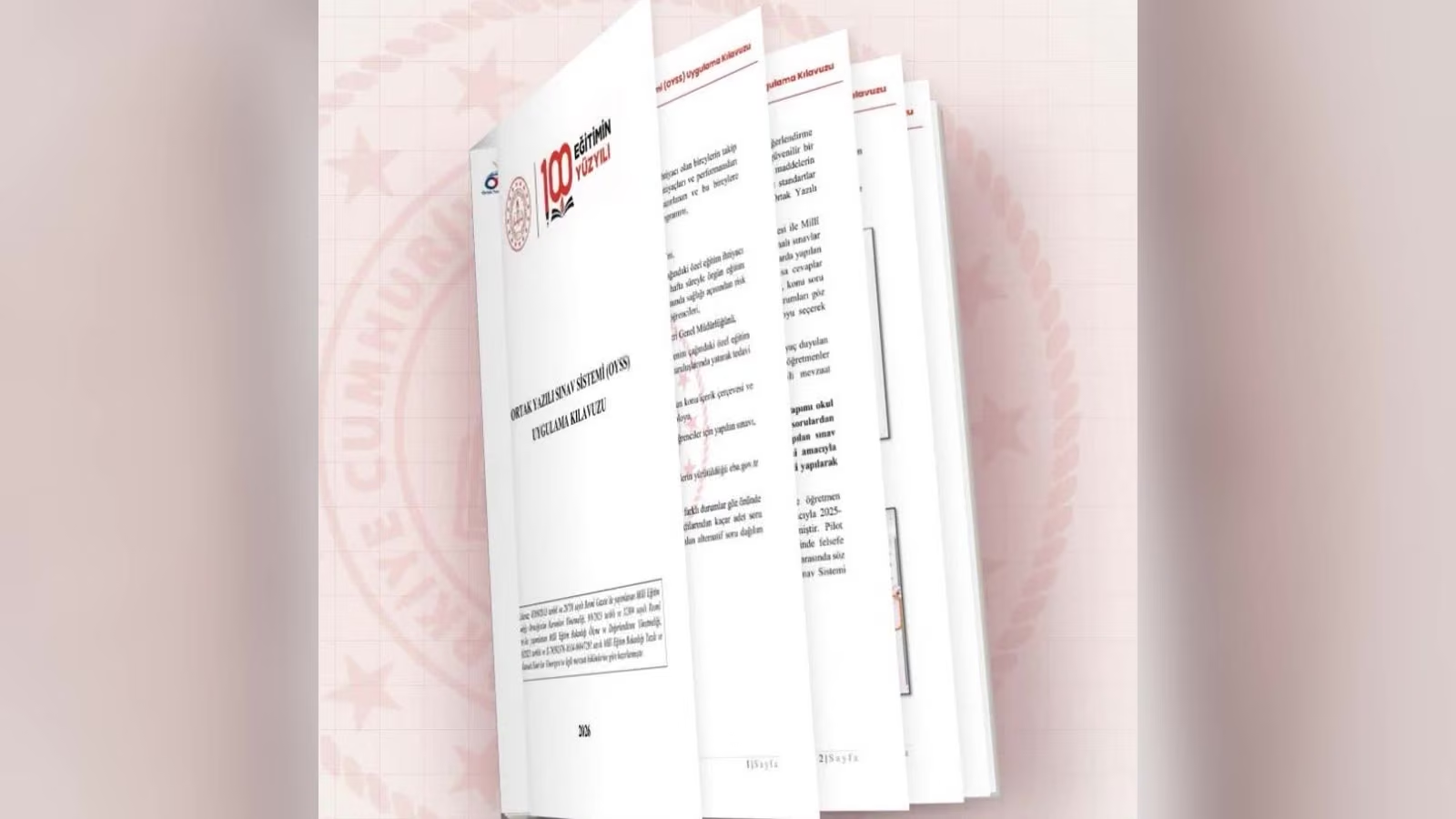
Bora Haber previously reported: Middle and High Schools Move to Common Written Exam System With Open-Ended Questions and Schools head into first-term break: last classes tomorrow, return on 23 November.
Background: monitoring studies
Studies such as the Monitoring and Evaluation of Academic Skills (ABİDE), Monitoring Turkish Language Development in Four Skills, School-Based Monitoring and literacy skills research were brought together under a single, comprehensive regulatory framework. The rules for the Programme for International Student Assessment (PISA) and the Trends in International Mathematics and Science Study (TIMSS) were also restructured.
The changes aim to develop a sustainable assessment system that is based on student development, keeps pace with technology, strengthens uniform practice nationwide and helps support education policy with scientific data.
Agenda guides
- How does the Grand National Assembly of Türkiye work, and what do committees and the General Assembly do?The TBMM is the single chamber that exercises legislative power on behalf of the nation. Bills are first examined in committee, then debated and voted in the General Assembly; the President publishes laws that are adopted.
- How does the Presidential Government System work in Türkiye?The President is elected by popular vote and is both head of state and head of the executive. The Grand National Assembly (TBMM) legislates, and the judiciary stays independent. There is no prime minister.
- How are local elections held and how is a mayor elected?Under the Constitution, local elections are held every five years. A mayor is elected directly by voters in a single round: the candidate with the most votes wins, and there is no runoff.
Comments
Sign in to comment.