

YÖK President Özvar: Work Under Way to Cut Bachelor's Degrees From 4 Years to 3
YÖK President Erol Özvar announced that work is under way to shorten four-year bachelor's programs to three years, and that universities have been preparing for a year.
· 2 min read
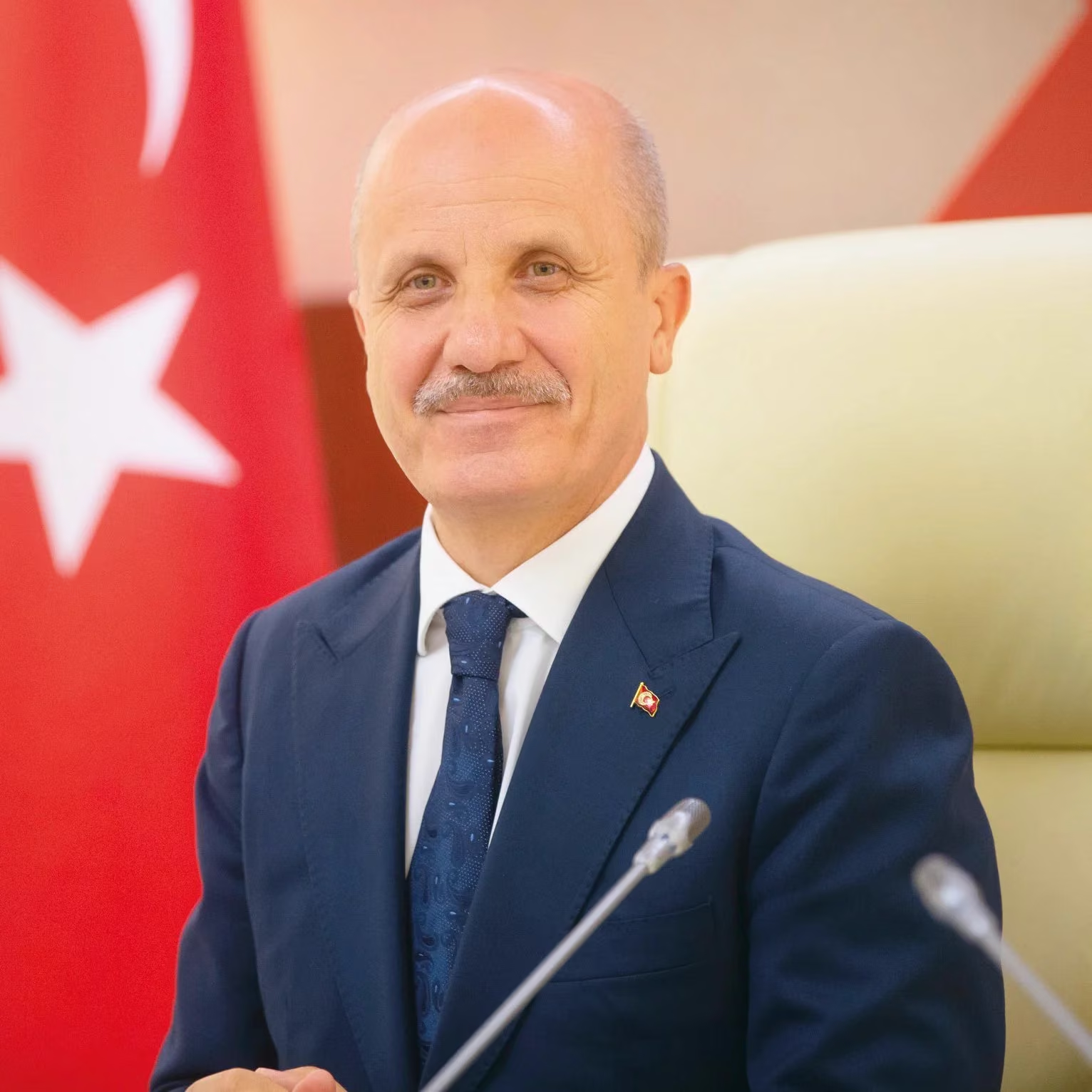
Council of Higher Education (YÖK) President Prof. Dr. Erol Özvar announced that work is under way to shorten four-year bachelor's education at universities to three years. Özvar outlined plans on duration and curriculum in higher education on a television program.
Özvar said bachelor's education in Europe averages three years and that a 3+2 year model is used in some programs. Noting that work is under way on a similar model in Türkiye, Özvar said:
We say that we can formulate our bachelor's credits within 180 credits. We can also complete that within 3 years. We have been preparing our universities for this for a year.
Erol Özvar
Özvar said that in fields requiring special competence, such as architecture and engineering, a model of two years of additional education after three years could be considered.
Age of entering adult life
Linking the shortening of study time to young people joining working life earlier, Özvar said students spend a total of 16 years in educational institutions with 12 years of compulsory education and a four-year bachelor's degree. He said that when military service, internships and job searching are added, the age at which male students start their working lives can reach 26-27.
Özvar listed falling fertility rates and rising marriage age among the reasons for the change. He said they aim for young people to take a bigger part in working life through practice-oriented work while still studying.
Curriculum and artificial intelligence
Özvar said bachelor's programs in Türkiye include about 60 courses, compared with around 20-25 in Europe, and that the curriculum should be simplified. He added that reducing the number of courses alone would not be enough and that content should be updated in line with developments in science and technology.
Calling for AI literacy and digital skills to be developed in all departments, Özvar said universities should strengthen their link to employment. He also said some departments whose graduates have no job prospects have been closed.
Bora Haber previously reported: Student-built underwater robot can dive to a depth of 250 meters and Kacır: First version of Turkish language model BİLGE to be opened to developers soon.
Background
Last month, at the Marmara University 2026-2027 Academic Year Opening Ceremony, Özvar had said they expect universities to simplify curricula and course structures in bachelor's education. He said theoretical education should be given in full, but more room should be given to applied work.
While work on the three-year bachelor's model continues, which departments the regulation will cover and when it will take effect are not yet final.
Photo gallery4 photos
Bora Haber
Bora Haber
Bora Haber
Bora Haber
Agenda guides
- How to get your SGK service record statementYou can get your SGK service record statement through e-Devlet or by applying in person with ID at an office of the Social Security Institution. It shows your premium days and employment records.
- How is severance pay (kıdem tazminatı) calculated in Turkey?Severance pay is calculated as one month of gross "dressed" salary for each full year of service; partial years are prorated by days. The cap changes each period, so check the current figure from an official source.
- What is notice pay and how long are the notice periods in Türkiye?Notice pay is compensation, equal to wages for the notice period, paid by a party who ends an open-ended employment contract without observing the notice period. The periods are 2, 4, 6 and 8 weeks.


Comments
Sign in to comment.