

Iran's Revolutionary Guards say they targeted two US bases in Bahrain
The Revolutionary Guards said they targeted Patriot radars at two US bases in Bahrain. Bahrain reported an attack on a civilian facility and took the matter to the UN Security Council.
· 3 min read
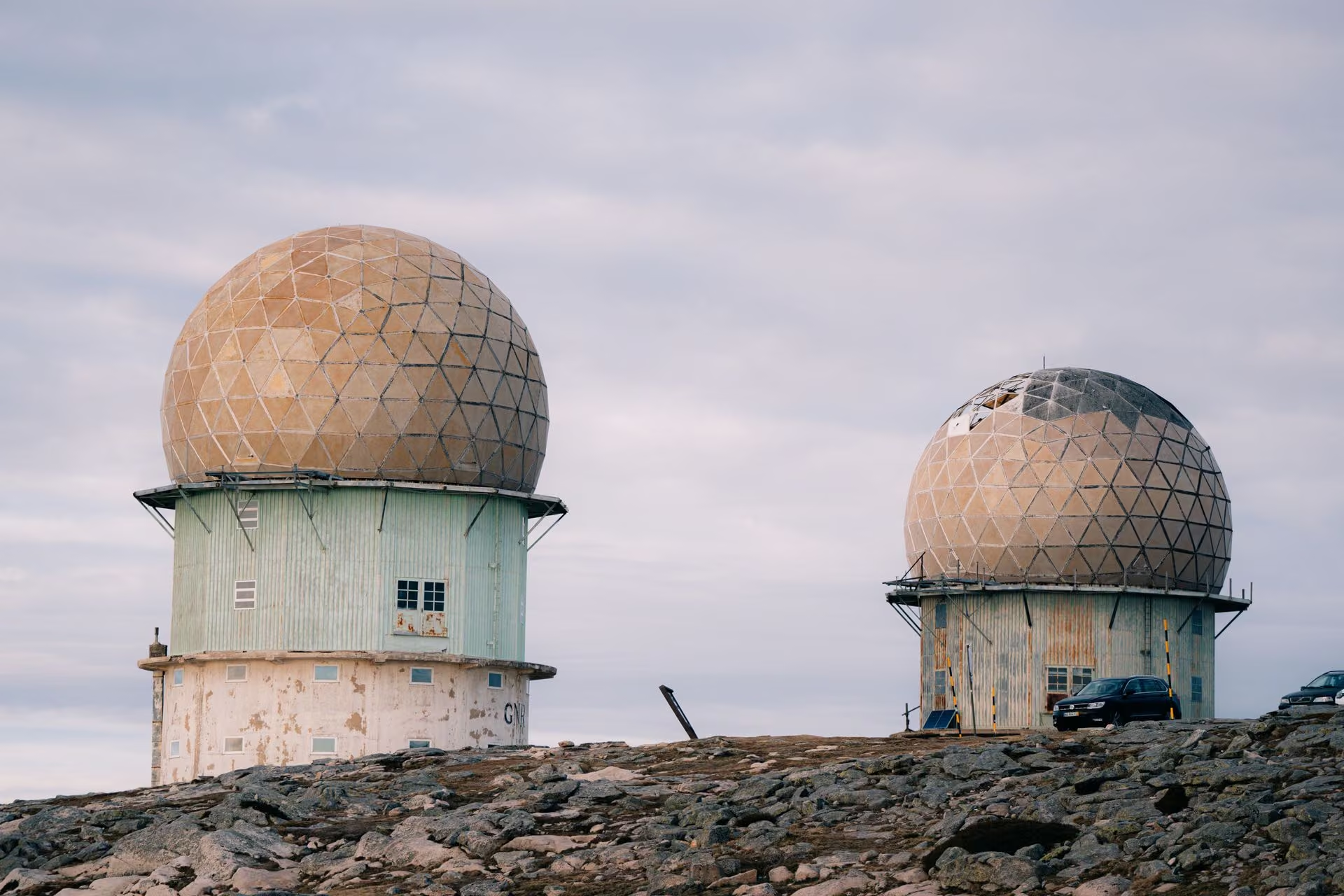
Iran's Revolutionary Guards announced that they targeted two US bases in Bahrain. As tensions rise in the Gulf, Bahrain's government has taken the attacks on the country to the United Nations.
The Revolutionary Guards' statement
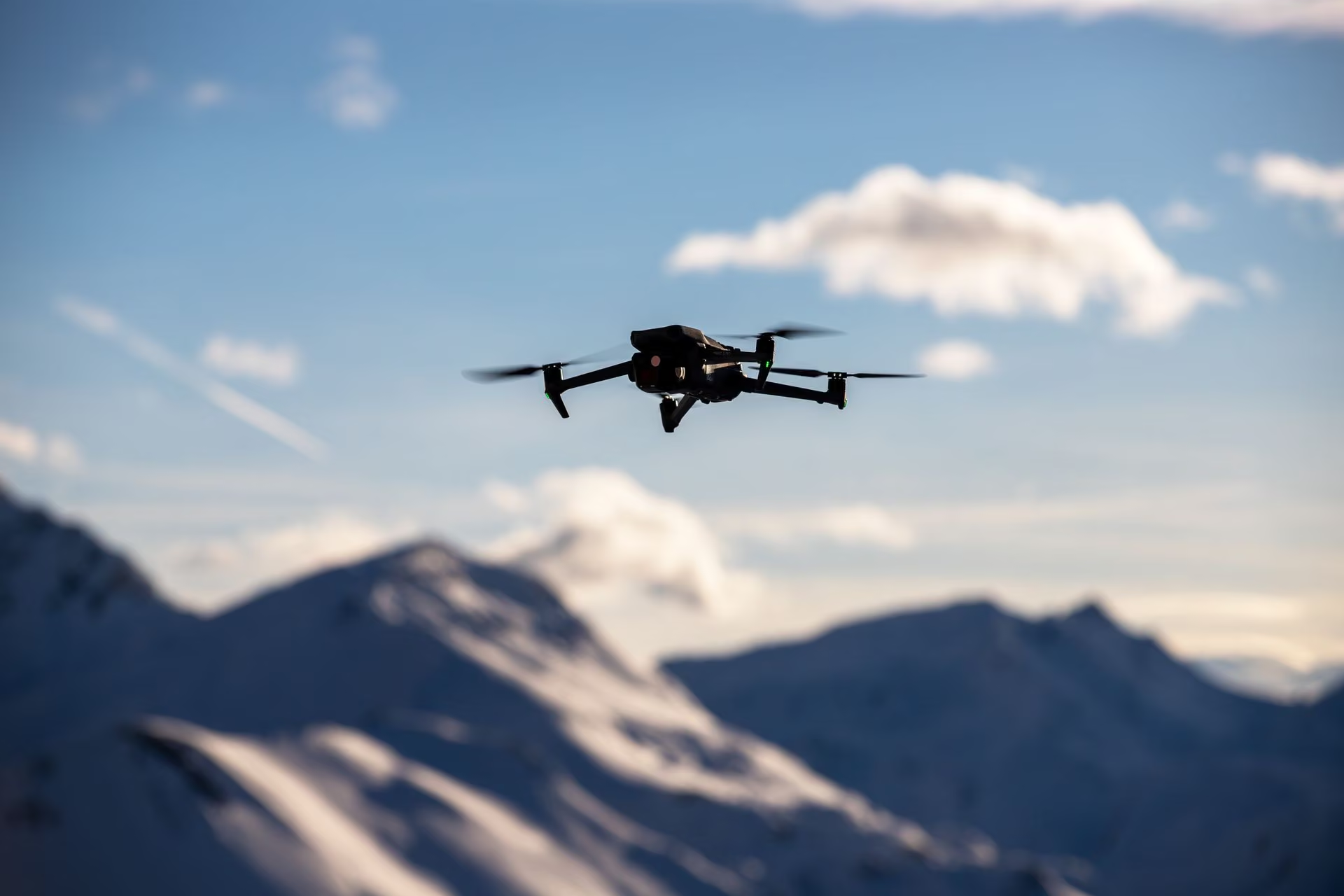
In a statement, the Revolutionary Guards alleged that two US unmanned aircraft, of the MQ-1 and MQ-9 types, violated Iranian airspace. In response, they said two radars of Patriot air defense systems at two US bases in Bahrain were struck with drones and missiles. The statement also warned that violations of airspace would be answered decisively.
Sirens and a fire at a civilian facility in Bahrain
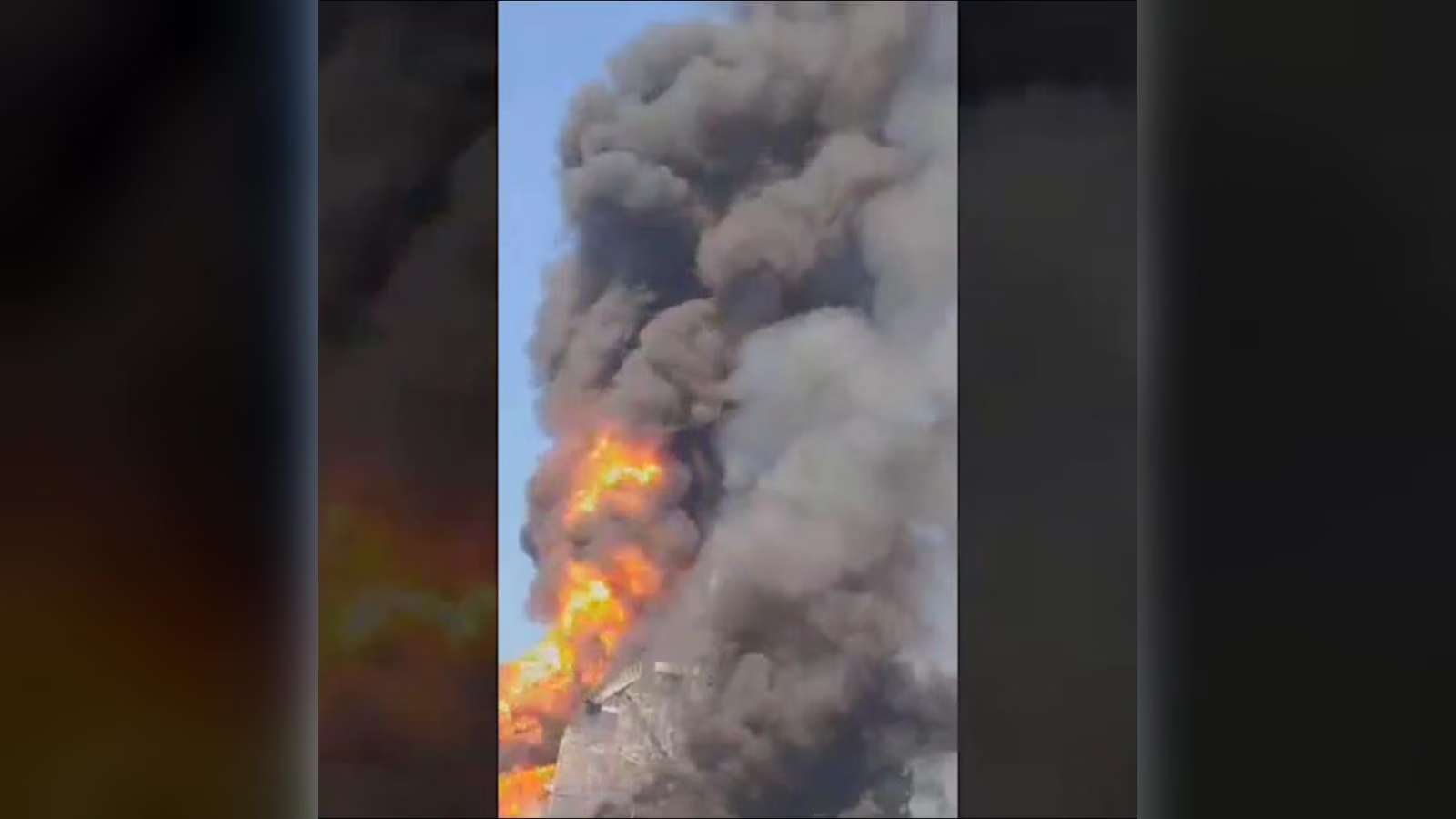
Air raid sirens sounded in Bahrain. The Interior Ministry asked citizens to move to the nearest safe shelters because of possible security threats. Shortly afterwards, a new statement said Iran had carried out an air strike on a civilian industrial facility.
As a result of Iran's vile aggression, a civilian industrial facility was attacked. A fire broke out at the facility. Civil defense teams are trying to bring the fire under control
Bahrain's Interior Ministry
Initial assessments indicated material damage at the facility, with no injuries or deaths.
Letters to the UN
Bahrain's Permanent Mission to the UN in New York sent two separate letters on Thursday to UN Secretary-General Antonio Guterres and the Security Council. The letters said Iranian attacks resumed on Tuesday and Wednesday. They stated that on 17 and 18 November 2026 Bahrain's military used its air defense systems to intercept and destroy numerous air attacks before they reached their targets.
Condemning the attacks in the strongest terms, Bahrain stressed that they violate its sovereignty and territorial integrity, are a dangerous escalation threatening regional security and stability, and gravely breach the UN Charter. Citing Article 51 of the UN Charter and the Joint Defense Agreement among Gulf Cooperation Council states, the letters said Bahrain reserves the right to take all necessary measures, including individual and collective self-defense.
Bora Haber previously reported: Revolutionary Guards' Muhibbi: We Are Ready for a Possible US Ground Operation and Iran says one of two oil tankers that hit mines in the Strait of Hormuz has sunk.
Background
On 16 November, Bahrain's High Criminal Court sentenced 64 people to life in prison and 5 to 15 years on charges of links to the Revolutionary Guards. Those sentenced included the country's top Shiite authority, Ayatollah Isa Qassim; 60 of them were Shiite clerics. Bahrain rejected a statement by Iran's Foreign Ministry on the rulings as interference in its internal affairs and a violation of judicial independence.
On 15 November, the Revolutionary Guards had also said they targeted a US air defense radar at Bahrain's Riffa Helicopter Base with six drones. Bahrain's military said it stopped numerous attacks before they reached their targets that day as well.
Qatari delegation in Tehran
Qatar, one of the mediators in the US-Iran tensions, sent a delegation to Tehran. Iranian Deputy Foreign Minister Kazem Gharibabadi said online and in-person talks continue on whether an opportunity for diplomacy can be created. He said the Qatari delegation arrived in Tehran last evening and a two-hour meeting was held, and claimed his country is stronger than in the past.
World guides
- How does the UN Security Council work?The UN Security Council is the UN organ with primary responsibility for maintaining international peace and security. It has 15 members; 5 permanent members hold veto power, and its decisions can be binding.
- What is NATO and how does it make decisions?NATO is an intergovernmental military and political alliance founded in 1949, built on the collective defence of its members. Decisions are taken in the North Atlantic Council by consensus, not by voting.
- How does the European Union work, and where does Turkey's accession process stand?The EU is a union of member states that delegate powers to common institutions. Turkey became a candidate in 1999 and began negotiations in 2005; the process has been effectively stalled for a long time.

Comments
Sign in to comment.