

US Urges Citizens in the Middle East to Stay on High Alert
The US Embassy in Kuwait said attacks by Iran and Yemen's Houthis could increase, asking Americans in the region to prepare for flight cancellations and airspace closures.
· 2 min read
The United States has called on its citizens in the Middle East to stay on high alert. The administration in Washington warned that attacks by Iran and the Houthis in Yemen could increase across the region. The warning was announced in a statement by the US Embassy in Kuwait.
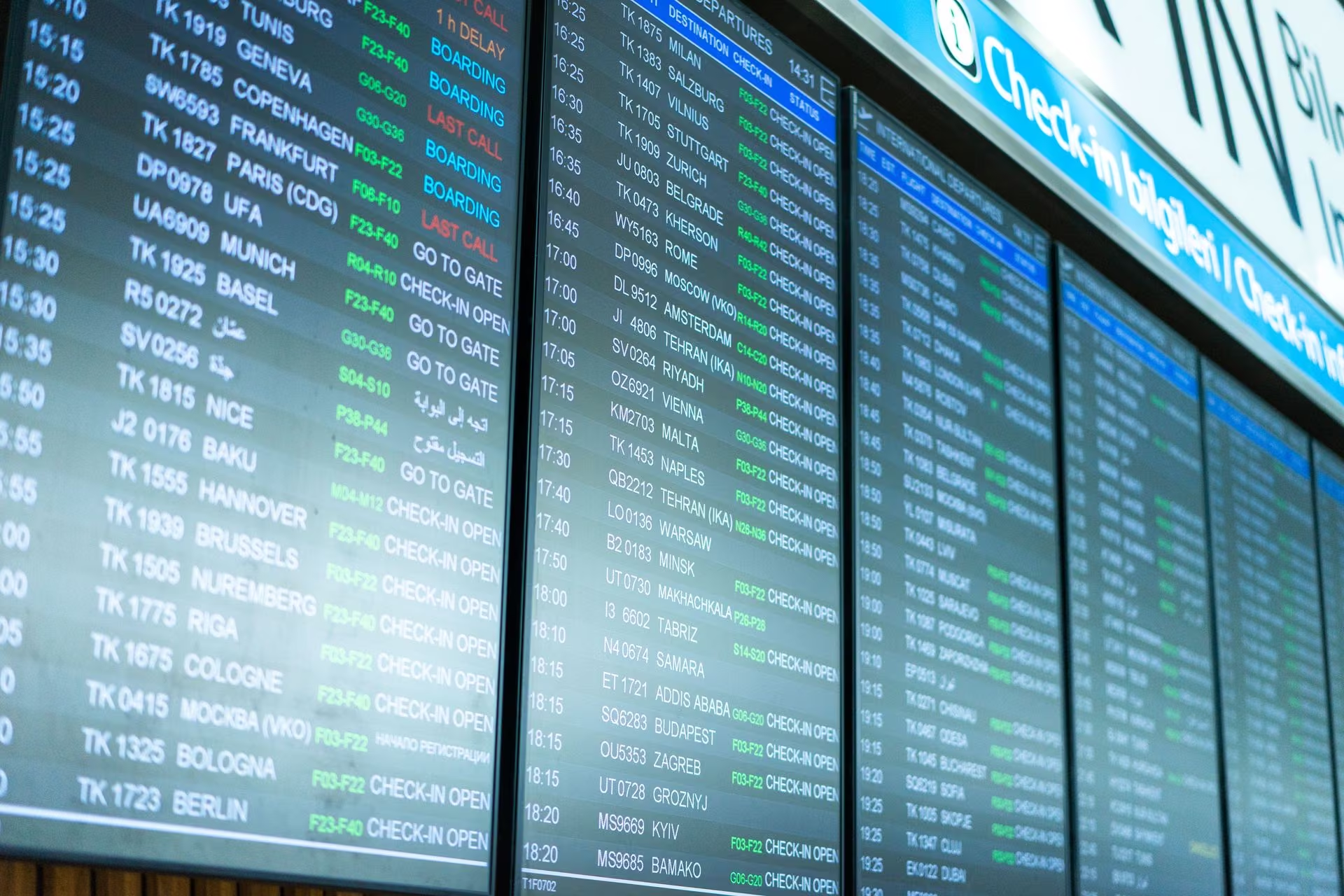
The embassy noted that the attacks could intensify further and asked Americans to be cautious about possible disruptions to their travel plans. It stressed the need to be prepared for flight cancellations and airspace closures in particular.
Attack warning covers three countries
The statement drew attention to developments in Kuwait, Bahrain and Saudi Arabia. According to it, Iran targeted US assets in Kuwait and Bahrain, while the Houthis carried out attacks on civilian airports and critical infrastructure facilities in Saudi Arabia.
The embassy said the attacks have caused civilian casualties and serious disruptions to transport. It also warned that the attacks in the region could quickly develop into wider security problems.
Bora Haber previously reported: Revolutionary Guards' Muhibbi: We Are Ready for a Possible US Ground Operation and Iran says one of two oil tankers that hit mines in the Strait of Hormuz has sunk.
Background
Security concerns in the Middle East are growing because of attacks by Iran and the Houthis. The new US warning points to travel and security risks that directly concern American citizens in the region. Because the activities of Iran and the Houthis may escalate, citizens were asked to follow developments closely and remain on high alert.
The warning focuses on Kuwait, Bahrain and Saudi Arabia, indicating that the attacks are concentrated in these three countries. Targeting of airports and transport networks heightens concern about new disruptions to flight schedules and airspace use.
World guides
- How does the European Union work, and where does Turkey's accession process stand?The EU is a union of member states that delegate powers to common institutions. Turkey became a candidate in 1999 and began negotiations in 2005; the process has been effectively stalled for a long time.
- What is a COP climate summit, and why does COP31 matter?COP is the annual decision-making body of the countries party to the UN Framework Convention on Climate Change. COP31 is held in 2026 in Antalya, Türkiye, with Australia presiding over the negotiations.
- How does the United Nations work and what does the General Assembly do?The UN, founded in 1945, is an organization where member states cooperate on peace, security, development and human rights. The General Assembly is its main deliberative body, where every member has one vote.

Comments
Sign in to comment.