

Israeli experts say Iran war cost Republicans in US midterm elections
Retired ambassador Alon Liel and writer Jeff Halper said the Iran war weighed on Republicans in the US midterms, and that the result could have political and military consequences for Israel.
· 3 min read
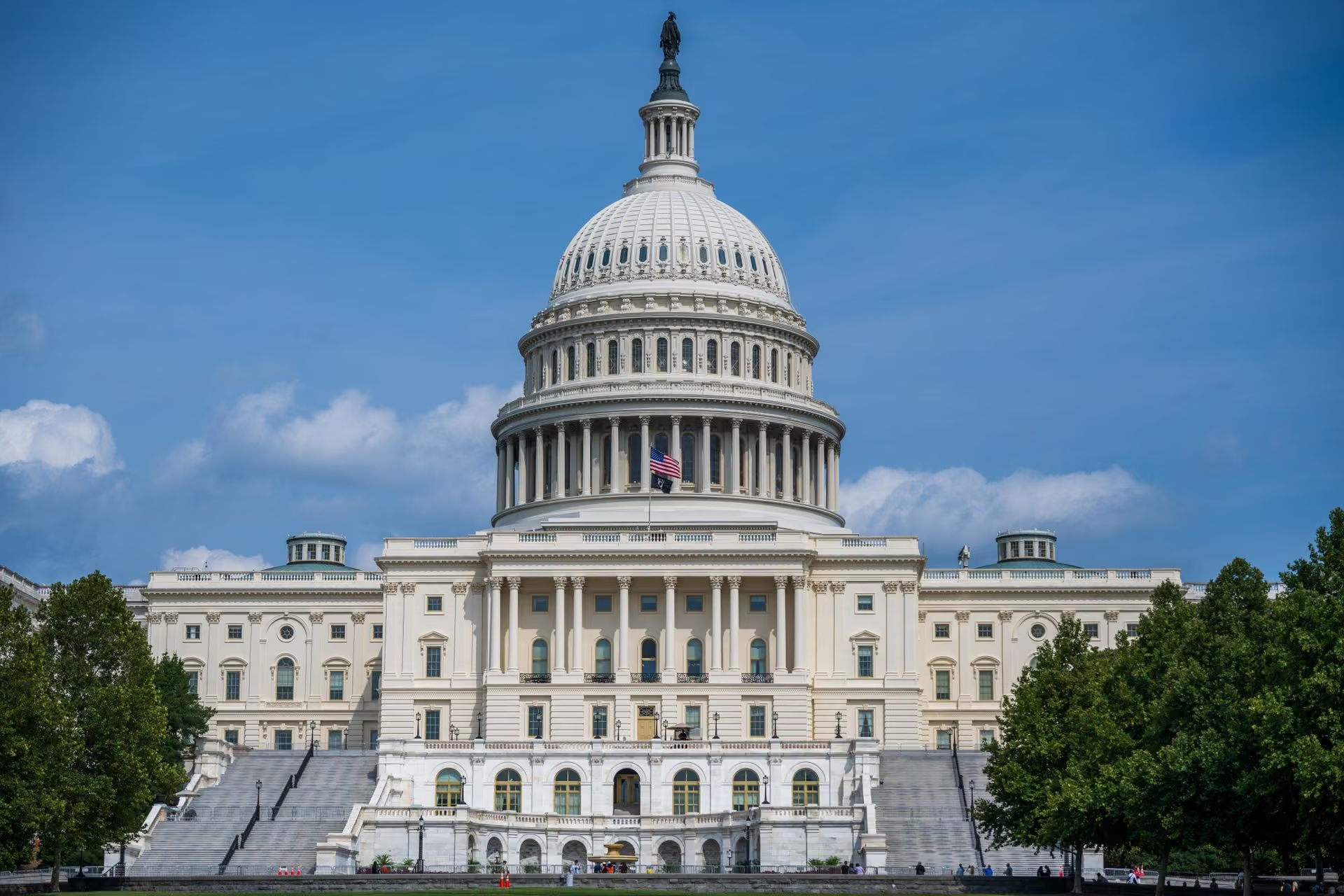
After the US midterm elections, two Israeli figures assessed the impact of the results on relations between Washington and Tel Aviv. Alon Liel, retired ambassador and former director general of Israel's Foreign Ministry, and Israeli-American writer Jeff Halper argued that the war waged against Iran played a part in the losses of President Donald Trump and the Republican Party. Both said the results could carry significant political and military consequences for Israel.
Liel: A major blow for Israel
Liel said the results would have negative effects for Israel at both the Congress and White House levels. Noting that the Republicans' loss of their majority in Congress has weakened Trump's political power, Liel said:
We will face a Congress that will take a more hostile stance toward Israel.
Alon Liel
Stressing that Israel depends on the US not only for financial aid but also for weapons supplies, Liel said a decision by the Washington administration to halt military aid could have serious consequences for Tel Aviv. In his view, the Iran war was a policy that lacked public support in the US and hurt Republicans at the polls. He added that developments in Gaza were influential in some districts, particularly where anti-Israel candidates were running.
A new attack on Iran and recognition of Palestine
Liel argued that the shift of power in Congress could narrow Trump's room to maneuver on new military operations against Iran. Saying it would be difficult for Israel to conduct a prolonged operation against Iran without US support, Liel said he believes the likelihood of a broad, sustained attack on Iran has fallen. Liel also claimed that Trump's reduced influence internationally could lead to new developments on recognition of the State of Palestine, suggesting countries such as Germany, Italy and Japan could take steps in that direction, and that international sanctions over settlement activity in the occupied West Bank could expand.
Halper: Israel is in a vulnerable position
Halper described the results as a significant political loss for Israel. Noting that Democrats, especially the party's left wing, take a more critical approach to Israeli policies than Republicans, he said the US decision to halt military aid caused great shock in Israel. He argued the decision strengthened the demands of political circles that advocate stopping arms sales to Israel. However, he said the political influence of the Jewish community in the US and the support of the Republicans' Evangelical voter base for Israel could limit fundamental changes in Washington's policies.
Halper argued that prices rising because of the war put pressure on Republicans and affected voter choices. Saying the Trump administration will have to take the 2028 elections into account, he pointed to Congress's authority over the war budget. Halper said Trump's military policies could face greater oversight once the new Congress takes office in January, and he predicted that the chance of a diplomatic solution in the Iran war would grow and that the fighting could gradually end after the elections.
Bora Haber previously reported: US midterm results may reshape Israel-Washington relationship and Adam Hamawy, who volunteered as a doctor in Gaza, becomes New Jersey's first Muslim member of Congress.
World guides
- What is the G20, and what is Türkiye's role?The G20 is an intergovernmental economic forum bringing together the world's major economies plus the European Union and the African Union. Türkiye has been a member since its founding in 1999.
- What is the Organization of Turkic States and which countries are members?The Organization of Turkic States is a cooperation platform for Turkic-speaking states in political, economic and cultural fields. Its members are Azerbaijan, Kazakhstan, Kyrgyzstan, Türkiye and Uzbekistan; other actors hold observer status.
- What is NATO, which countries are members, and when did Türkiye join?NATO is an intergovernmental alliance founded by the North Atlantic Treaty of 4 April 1949. Türkiye joined on 18 February 1952, together with Greece. Check NATO and the Ministry of Foreign Affairs for the current member list.


Comments
Sign in to comment.