

US midterm results may reshape Israel-Washington relationship
An analysis in Israeli media says the Republican defeat in the US midterms could affect Trump's Iran policy, the balance in Congress and the 2028 race, posing three challenges for Israel.
· 3 min read
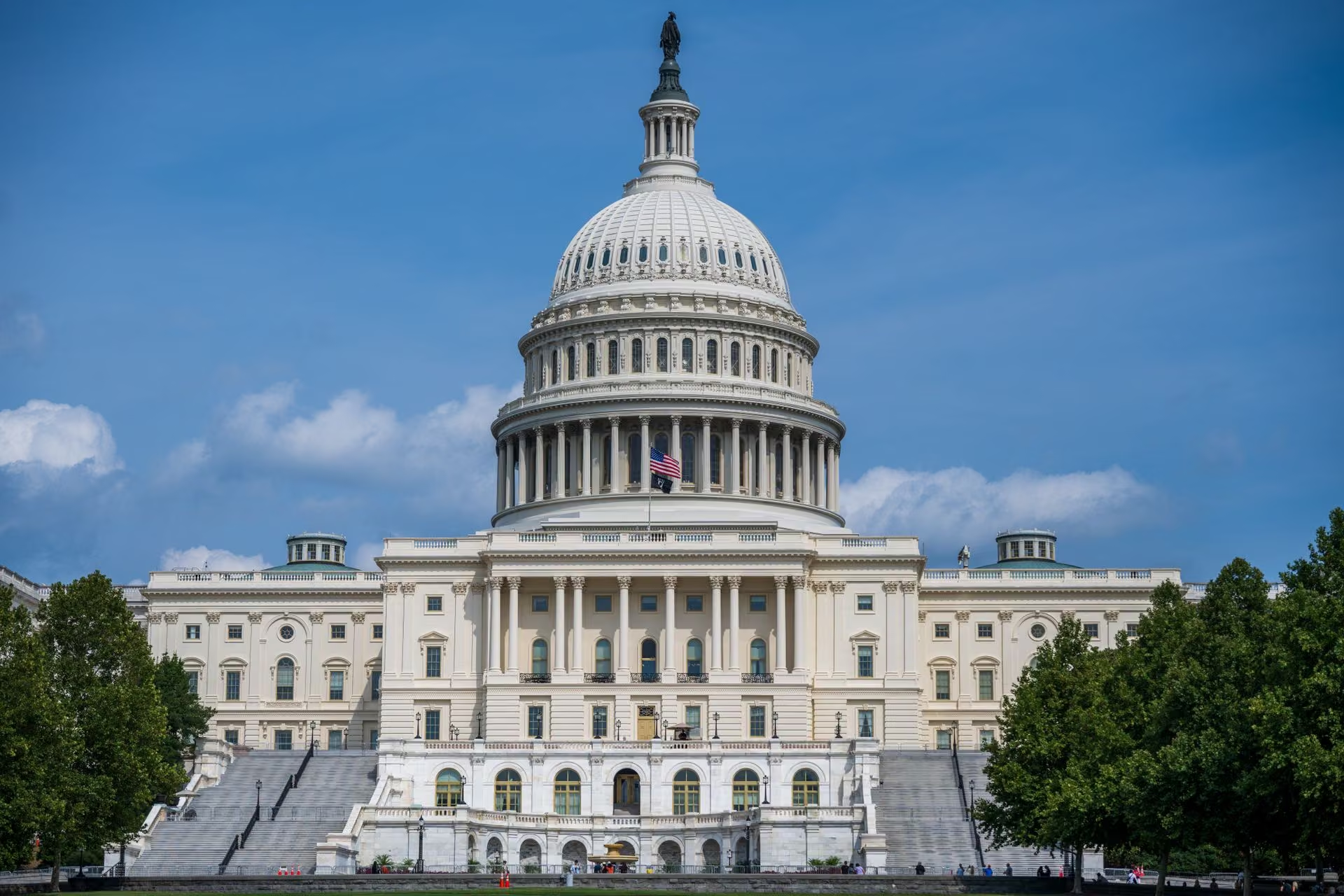
The Republican defeat in the US midterm elections could have significant consequences for Israel, according to an analysis in Israeli media. It says the results may affect many areas, from Washington's Iran policy to US-Israel relations, and may reshape the bond between the two countries.
This defeat comes at a time of sweeping changes within the Democratic Party over Israel, the war with Iran and the strategic relationship between Tel Aviv and Washington.
Analysis text
The analysis stresses three developments in particular: pressure on President Donald Trump's Iran policy, a shift in the balance of power in Congress, and political debates leading to the 2028 presidential election.
The political cost of the Iran war
The analysis argues that the war with Iran carried a heavy political cost for the Republican Party during the campaign. Even commentators close to Republicans reportedly said the results could have been much different without the war. Trump himself acknowledged the effect of the Iran issue on the defeat, saying "Iran had a share in the loss." In exit polls, 62 percent of participants said they opposed the Iran war.
The analysis says the American public is not keen on another long war in the Middle East, and the key question is how the president will reflect this message in policy. Two possible paths are seen for the Trump administration. In the first, Trump intensifies diplomacy, makes concessions in talks with Tehran and presents a possible deal as a diplomatic success that extracts the US from the conflict. In the second, the war is ended with a short but effective operation, allowing Trump to declare victory, say the goals were met and quickly reduce the US military presence in the region. In both scenarios, Israel's interests may not match the White House's priorities, which could become a main source of tension between the two countries.
Congress and the 2028 election
The loss of the Republican majority in Congress is also stressed as potentially significant for Israel. Views within the Democratic Party on Israel, the Iran war and the US-Israel strategic relationship are said to be changing, and the new balance in Congress may be reflected in Washington's Israel policy. Calls within the party to reduce US military aid to Israel, attach political conditions to aid and reassess the special relationship are reportedly gaining support; views once held by a limited group are now more visible.
The analysis suggests one of the most important long-term effects may come in the 2028 presidential election. It says the political success of figures such as Zohran Mamdani and Abdul El-Sayed, who describe Israel's actions against Palestinians as genocide and loudly object to Israel's influence in US politics, may set an example for other Democratic candidates. As a result, 2028 candidates may take a more critical stance on Israel than in previous election cycles.
Bora Haber previously reported: Abdul El-Sayed says those defending Palestinian children's rights are accused of hatred and Trump: $4 billion in aid to Israel will be halted.
World guides
- How does the European Union work, and where does Turkey's accession process stand?The EU is a union of member states that delegate powers to common institutions. Turkey became a candidate in 1999 and began negotiations in 2005; the process has been effectively stalled for a long time.
- What is a COP climate summit, and why does COP31 matter?COP is the annual decision-making body of the countries party to the UN Framework Convention on Climate Change. COP31 is held in 2026 in Antalya, Türkiye, with Australia presiding over the negotiations.
- How does the United Nations work and what does the General Assembly do?The UN, founded in 1945, is an organization where member states cooperate on peace, security, development and human rights. The General Assembly is its main deliberative body, where every member has one vote.

Comments
Sign in to comment.