

Mars meteorite Teghaza 001 found in the Sahara is more than 4.1 billion years old
Teghaza 001, a Martian meteorite found in Mali, formed in the planet's early period. It is one of the three oldest Martian meteorites found on Earth.
· · 2 min read
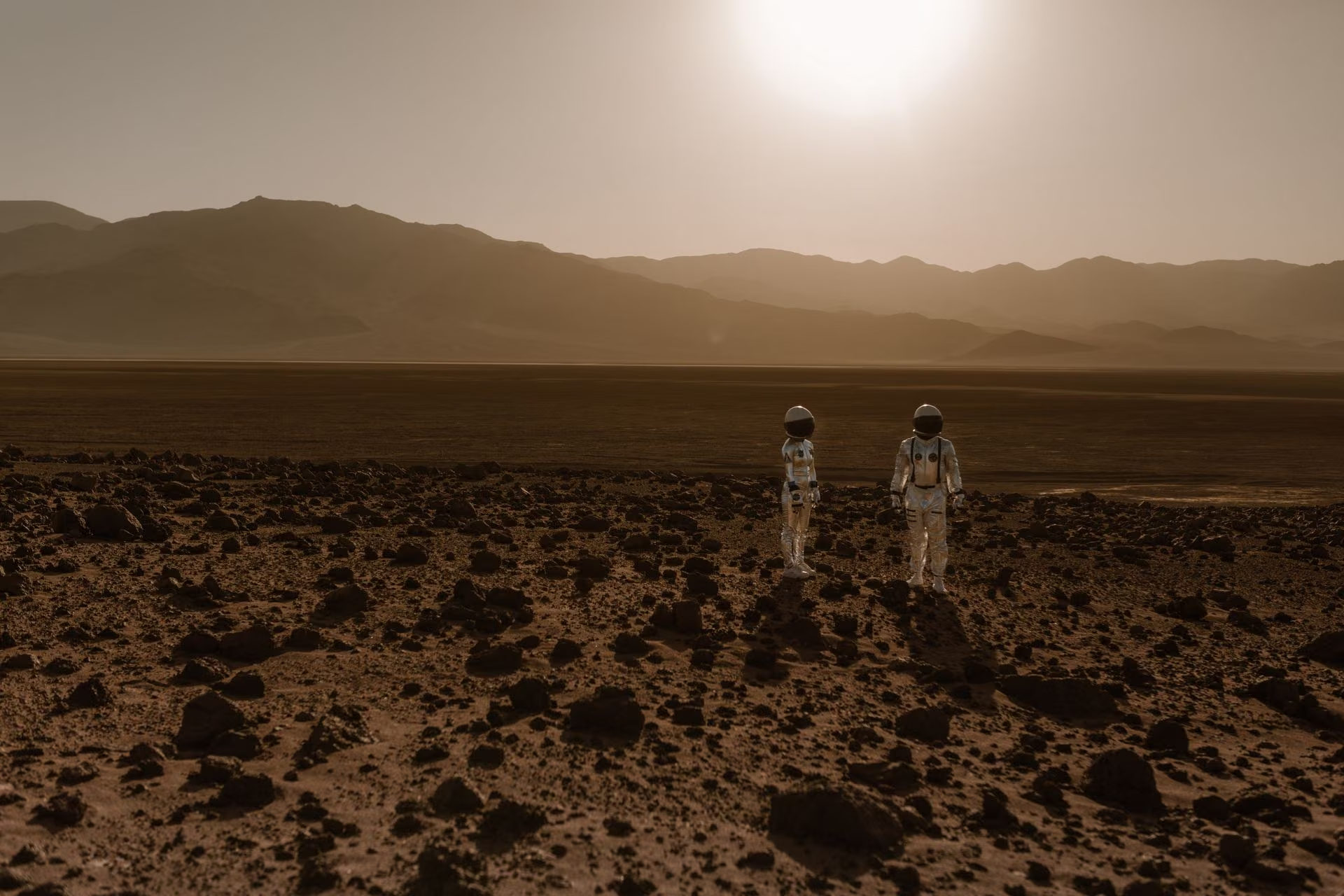
A Martian meteorite named Teghaza 001, found in the Sahara Desert in the West African country of Mali, has been determined to be more than 4.1 billion years old. The stone, weighing about 800 grams, was found in 2022. According to NASA's Jet Propulsion Laboratory (JPL), the meteorite is one of the three oldest Martian meteorites found on Earth and formed in Mars's early period.
Minerals carry traces of water
Scientists examined the minerals inside the meteorite. The analyses showed that water altered the structure of the rock about 4.1 billion years ago. Because the meteorite formed before this alteration, it was concluded that its age exceeds 4.1 billion years. According to the researchers, the findings offer new information about Mars's early period and may help in understanding the planet's water cycle and the formation of the Martian crust.
The study, published in Science by a team from JPL, Caltech, UCLA, the University of New Mexico and the University of Maine, describes the rock as gabbroic diorite, a slowly cooled igneous rock that crystallized from magma deep in the crust. Its mineral composition, texture and chemistry differ from all of the roughly 435 known Martian meteorites.
Background
The stone did not look special at first glance. Researchers at the University of New Mexico's Institute of Meteoritics confirmed its Martian origin using oxygen isotopes. Lead author Yang Liu of JPL found strange textures during his examination, along with zircon, a durable mineral. Zircon traps uranium and lead as it crystallizes, works as a natural clock, and was used to determine the age.
Lee Saper, the study's second author, said of the stone:
This is the first piece of Martian crust we have from a region of Mars that we never had a sample from before.
Lee Saper
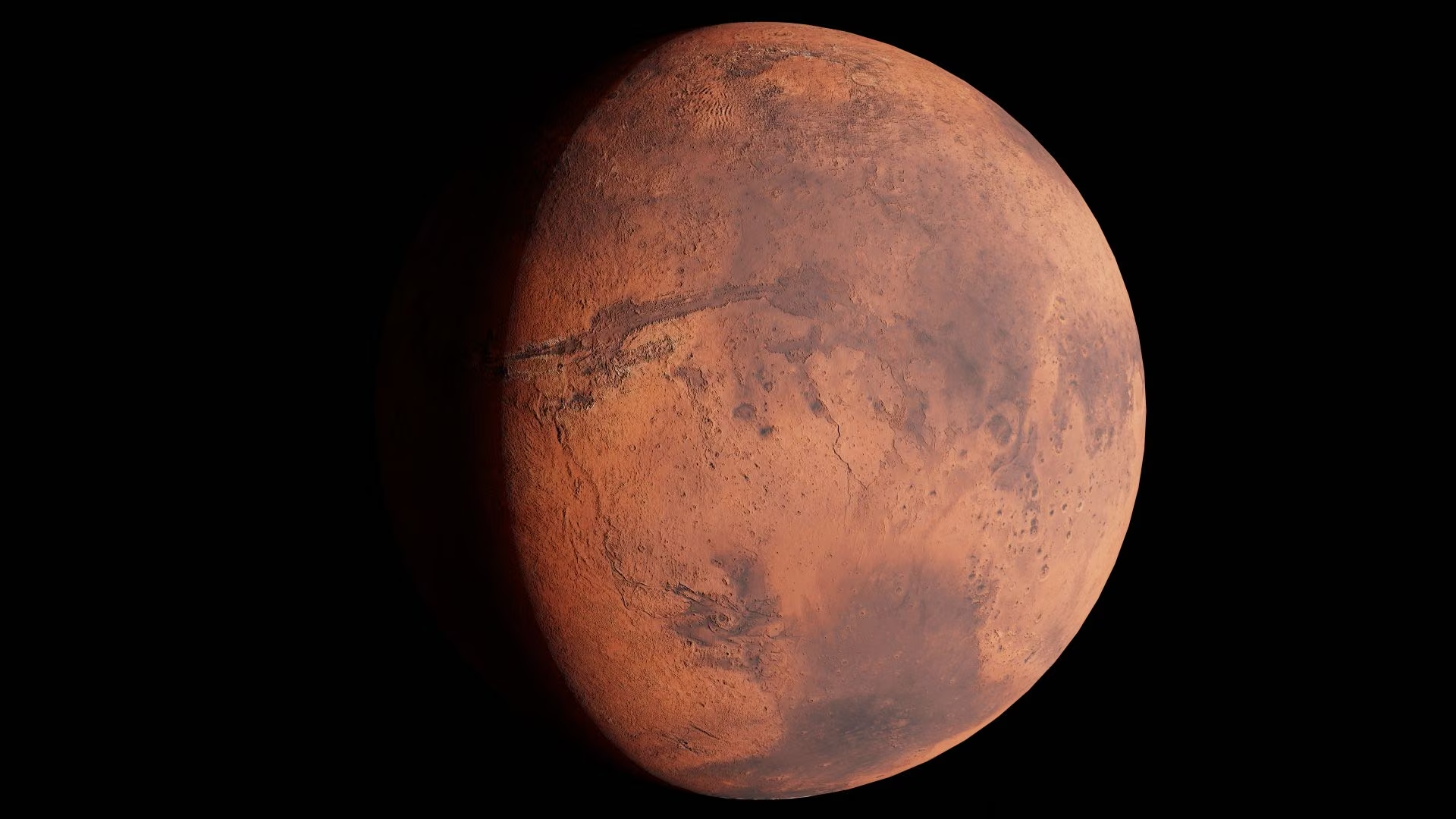
Teghaza 001 is thought to come from the crater-covered southern highlands, the planet's oldest terrain, which no lander has reached to date. Nearly all Martian meteorites on Earth, by contrast, consist of young volcanic rocks.
Science guides
- What should be in an earthquake emergency bag?An earthquake bag should hold at least three days of water and food, first aid supplies, a flashlight, whistle, medications, document copies and batteries or a power bank. Keep it near the exit, easy to reach.
- What is a meteor shower, and when and how can you watch one?A meteor shower happens when Earth passes through trails of dust left by a comet or asteroid, producing many “shooting stars.” Dark skies and patience are the keys to watching one.
- What is climate change, and what are its causes and effects?Climate change is a lasting shift in Earth's long-term temperature and precipitation patterns. Today its main driver is greenhouse gas emissions from fossil fuels; effects include heatwaves, drought and sea level rise.

Comments
Sign in to comment.