

NASA's Swift Observatory Reenters Atmosphere Near Sumatra
The roughly 1.5-tonne Neil Gehrels Swift Observatory, in orbit for 22 years, fell to Earth uncontrolled. The US Space Force confirmed it entered the atmosphere near Indonesia.
· 2 min read
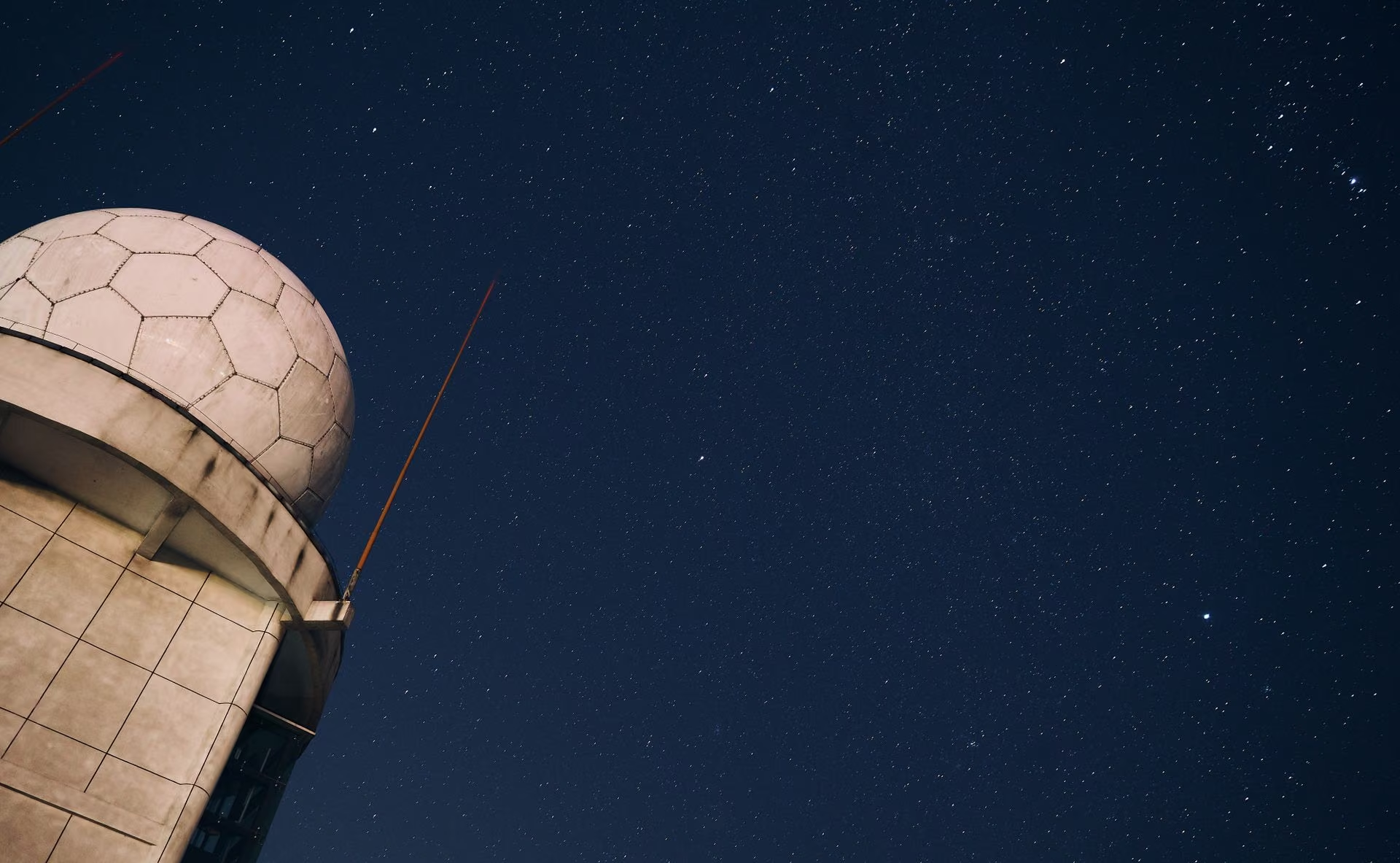
The Neil Gehrels Swift Observatory, weighing about 1.5 tonnes and placed in low Earth orbit by NASA roughly 22 years ago, entered Earth's atmosphere in an uncontrolled manner. The US Space Force confirmed that the craft entered the atmosphere near Indonesia.
Satellite tracking expert Jonathan McDowell, citing US Space Force data, said Swift reentered the atmosphere north of Sumatra. Atmospheric drag, increased by intense solar activity in recent years, played a role in the decay of its orbit. It has not yet been announced how much of the spacecraft burned up in the atmosphere.
NASA officials had said earlier that most of Swift would burn up during descent and that the chance of any surviving fragments causing damage was very low.
Rescue attempt failed
When the observatory descended faster than planned, the Link spacecraft of defense technology company Katalyst Space Technologies left the Marshall Islands on July 3 to intervene. Link was meant to capture Swift and raise its orbit. However, the craft failed to do so because of problems with its propulsion system and the reaction wheels that maintain its orientation.
Bora Haber previously reported: NASA's CHAPEA 2 Mars simulation crew emerges after 378 days and NASA Speeds Up Artemis Program, Prepares to Build a Moon Base.
Background
The Neil Gehrels Swift Observatory was launched in 2004 and carried out astrophysics research in low Earth orbit for about 22 years. Known especially for rapidly detecting sudden cosmic events such as gamma-ray bursts, Swift became one of NASA's important space observatories because it could quickly point at different celestial objects.
There is no ready observatory that can directly take over Swift's role. NASA had previously said it would try to fill the gap left by Swift's loss with existing active observatories and develop new methods that can respond quickly to sudden cosmic events.
Science guides
- How do lunar and solar eclipses happen, and how can you watch them safely?In a solar eclipse the Moon passes between Earth and the Sun; in a lunar eclipse Earth passes between the Sun and the Moon. Never watch a solar eclipse with bare eyes or sunglasses; use certified eclipse glasses.
- Who can donate blood, how often, and how is it done?To donate blood you need to be in good general health and meet the Turkish Red Crescent's (Türk Kızılay) age, weight and health criteria. Eligibility is decided at a pre-donation screening at the donation centre.
- How do I book a hospital appointment through MHRS?You can book through MHRS (Central Physician Appointment System) on its website, mobile app or the Alo 182 line. Log in with your Turkish ID number, then choose province, hospital, clinic and doctor.
Comments
Sign in to comment.