

Sam Altman: Most PC RAM sits idle, the cloud is more efficient
OpenAI CEO Sam Altman called the low usage of memory in personal computers a waste of resources at a time of tight supply, and pointed to cloud infrastructure.
· 2 min read
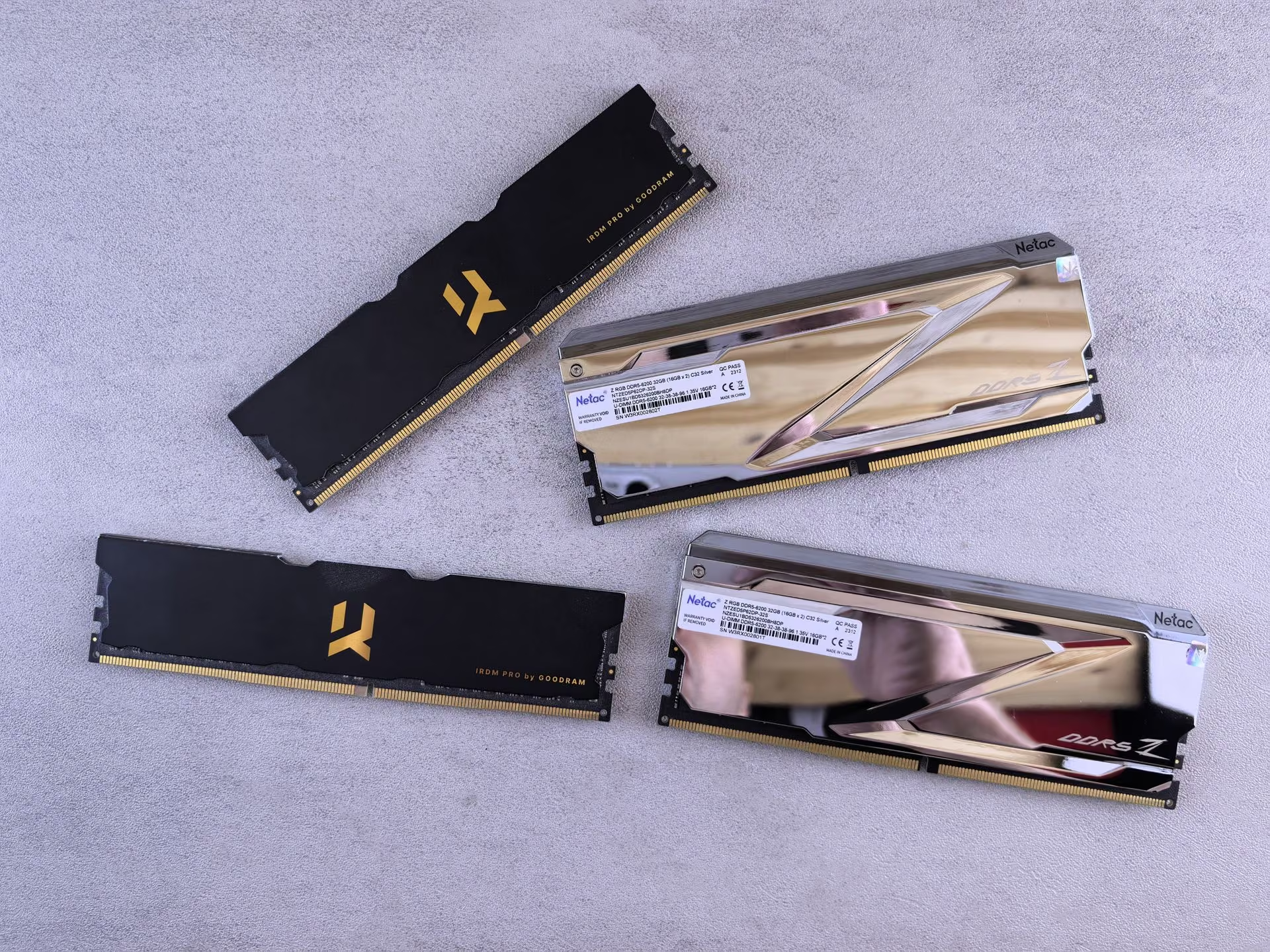
OpenAI CEO Sam Altman criticized the low utilization of memory resources in personal computers. At a time when DRAM supply is tight, Altman pointed to cloud infrastructure as the way to use RAM efficiently. His remarks came in a conversation with John Collison on YouTube's Cheeky Pint program, which covered AI's hardware needs and the squeeze in memory supply.
Altman's assessment emerged when the idea of running open models on users' own devices came up. Pushing back against the view that this approach would remove the need for data centers, Altman framed the issue around how the world's limited DRAM capacity is distributed.
Objection centers on low utilization
According to Altman, everyone keeping a significant amount of memory in their own machine creates an inefficient picture for global resource allocation when that hardware is rarely in use. Most memory in personal computers sits idle for much of the day, which he said amounts to considerable waste.
Giving an example of 5 percent utilization, Altman said that under tight supply, utilization of cloud infrastructure should be pushed to the maximum. The 5 percent does not mean only 5 percent of RAM capacity is filled; it refers to the share of time the memory is actually in use.
Local AI versus the cloud
In local AI use, the computations a model needs are performed on the user's own computer. Depending on the model's size and the method used, system memory or graphics card memory is set aside for the job. In the cloud approach, the user sends a request to remote servers and receives the result over the internet.
In the resource-sharing logic Altman advocates, handling requests that arrive at different times on shared infrastructure keeps hardware productive for longer. On the other hand, RAM in personal computers is not used only for AI; it serves many tasks, from games and web browsing to spreadsheets and other applications.
Background: Manufacturers cautious on investment
In the part of the conversation before his remarks on memory, the discussion also covered why rising prices do not quickly translate into new production capacity. Altman said DRAM makers have in the past faced low returns and sharp market swings despite large investments.
According to Altman, manufacturers remember the financial trouble they faced when they built too many factories. That experience leads them to be cautious about capital spending despite today's strong demand.
Technology guides
- How to check planned power outages and what are your rights during an outage?You can check planned outages on your regional electricity distribution company's website, mobile app or call center. The regulator for outage and quality rights is the Energy Market Regulatory Authority (EPDK).
- What is 5G, how does it differ from 4.5G, and what is its status in Türkiye?5G is the fifth generation of mobile communications, aiming for higher speed, lower latency and more connected devices than 4.5G. Check the current service status in Türkiye with the Information and Communication Technologies Authority (BTK) and operators.
- How to create a strong password and what is two-step verification?A strong password is long, unpredictable and different for every account. Two-step verification asks for a second proof besides the password, so your account stays protected even if the password is stolen.
Comments
Sign in to comment.