

TÜBİTAK Science Center Welcomes Visitors with Dinosaur, Anatolian Nature and Antarctica Exhibitions
The 1,350-square-meter TÜBİTAK Science Center offers visitors hands-on science through exhibitions and workshops focused on climate change and environmental awareness.
· 1 min read
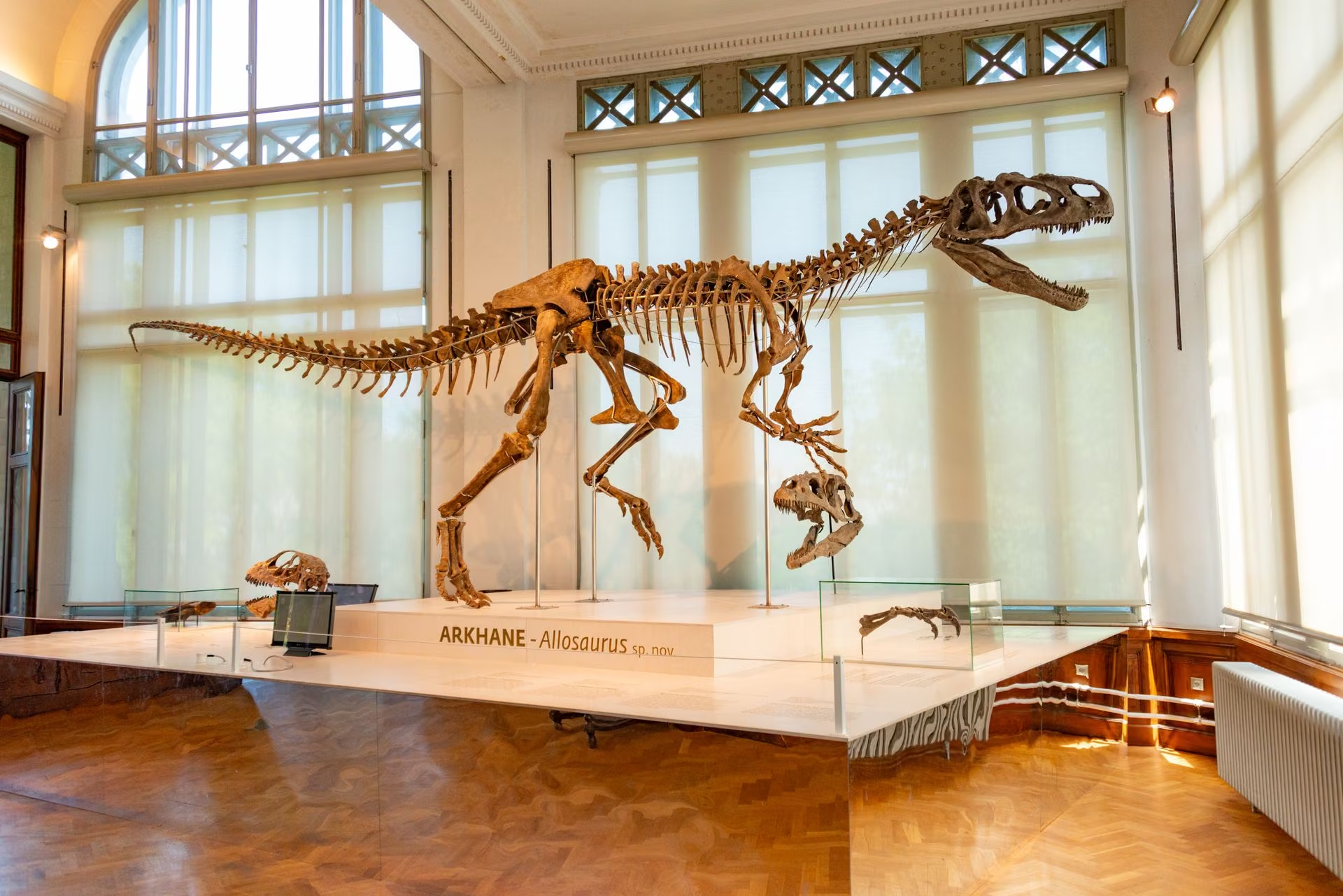
The TÜBİTAK Science Center introduces different scientific disciplines to visitors on a total area of 1,350 square meters, with a focus on climate change and environmental awareness. Exhibitions and hands-on activities let participants get to know and experience science up close.
Nature's change from past to present
The Dinosaurs Exhibition tells visitors about the changes the Earth has gone through. The Reflections from Anatolian Nature Exhibition highlights Türkiye's biodiversity and natural riches. Prepared around different themes, these exhibitions examine nature's transformation from the past to today from a scientific perspective.
Polar research
The Antarctica Exhibition and its units provide information on polar ecosystems and the scientific research carried out in these regions. On the specially designed Polar Expeditions Wall, visitors learn about the strategic work Türkiye has carried out under its National Antarctic and Arctic Science Expeditions. This section also shows the importance of polar research for understanding climate change.
Hands-on workshops
The applied workshops held at the center are especially popular with children. In activities on sustainable material use, eco-friendly alternatives, energy transition and climate change, participants learn science by doing. The workshops aim to contribute to protecting natural resources and raising environmental awareness.
Bora Haber previously reported: TÜBİTAK Workshops at COP31 Zero Waste Village Turn Plastic Bags into Wallets and TÜBİTAK's 2027 Budget Proposal Allocates Major Share to R&D and Innovation Programs.
Guides on this topic
Science guides
- What is the winter solstice, and when is the longest night of the year?The winter solstice is the moment the Sun reaches its southernmost position in the sky for the Northern Hemisphere. It usually falls on 21 December (22 December in some years), bringing the shortest day and longest night.
- How do lunar and solar eclipses happen, and how can you watch them safely?In a solar eclipse the Moon passes between Earth and the Sun; in a lunar eclipse Earth passes between the Sun and the Moon. Never watch a solar eclipse with bare eyes or sunglasses; use certified eclipse glasses.
- Who can donate blood, how often, and how is it done?To donate blood you need to be in good general health and meet the Turkish Red Crescent's (Türk Kızılay) age, weight and health criteria. Eligibility is decided at a pre-donation screening at the donation centre.

Comments
Sign in to comment.