

Toxic pollutants in Lake Van to be mapped with a 3D risk atlas
A project led by Dr. Dilgeş Baskın of Van Yüzüncü Yıl University will map the distribution of toxic pollutants using samples from different points and depths of the lake. It was presented at COP31.
· 2 min read
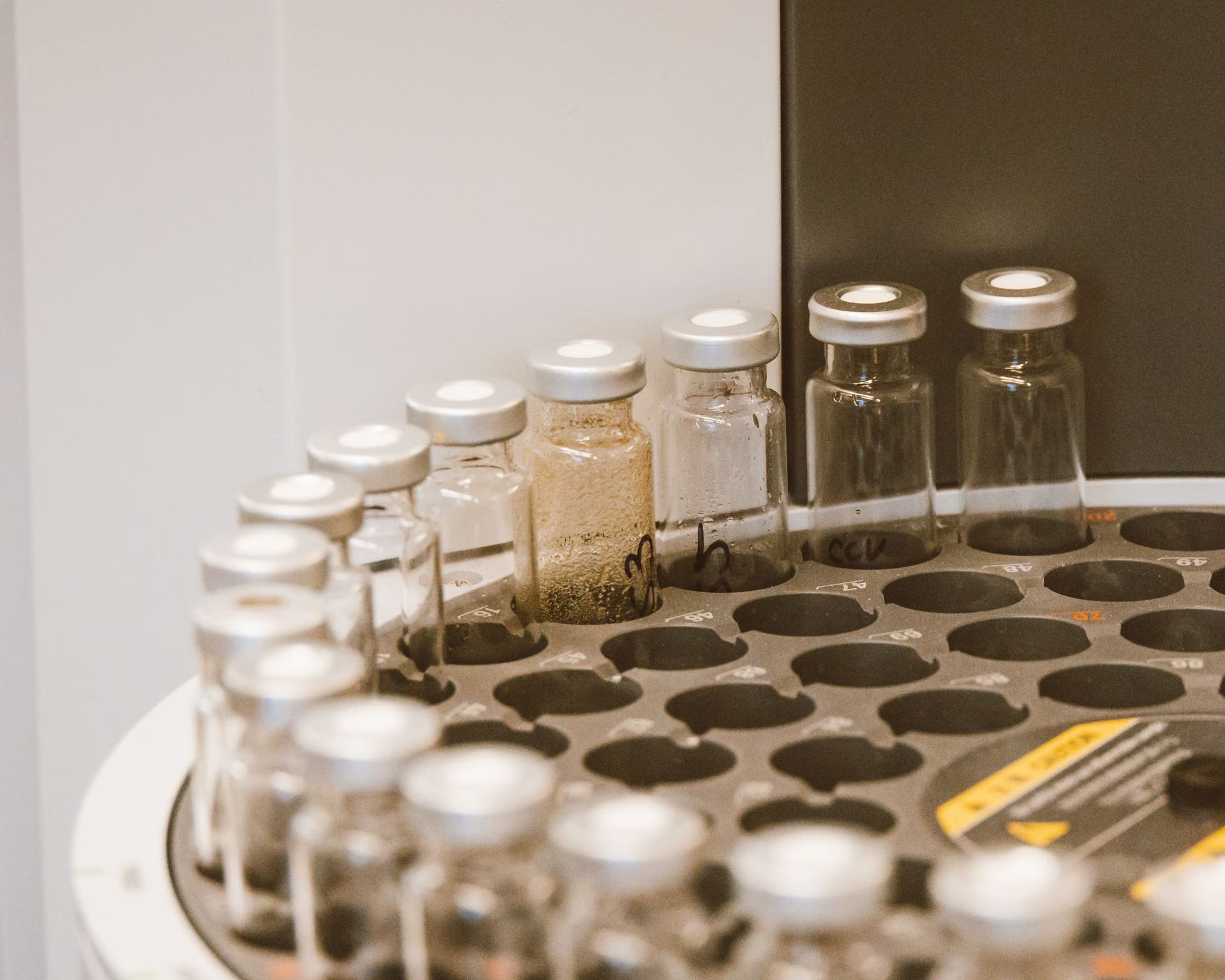
Dr. Dilgeş Baskın, a faculty member at Van Yüzüncü Yıl University's (Van YYÜ) Muradiye Vocational School, is preparing a three-dimensional risk atlas to determine the pollution level and toxicological status of Lake Van. The study began about a year ago and is supported by the university's Scientific Research Projects Coordination Unit. The project was presented to the scientific community at the 31st Conference of the Parties (COP31) to the UN Framework Convention on Climate Change in Antalya.
Samples will be taken from different points and depths
Under the project, titled "Van Lake 3D Toxicological Risk Atlas: Determination and Monitoring of the Spatial and Vertical Distribution of Priority Toxic Pollutants in Lake Van Under Climate Change Pressure", samples will be collected from the surface and from various depths. They will be analyzed for heavy metals, toxic elements, organic micropollutants and the physicochemical properties of the water. The data will be used to produce three-dimensional distribution maps of the pollutants and to assess potential environmental risks.
The maps are planned to be shared with the Governorate, municipalities, the university and relevant institutions, with the aim of providing scientific data for efforts to protect Lake Van.
Baskın: A long-term project
Baskın said Lake Van is the heart of the region ecologically, economically and culturally. He said they aim to leave the lake to future generations with its ecological balance preserved. Describing the project as a three-dimensional modeling effort, Baskın said:
Van Gölü'nün farklı koordinatlarından, çeşitli derinliklerinden ve farklı periyotlarda örnekler alarak kirliliğinin haritalandırılmasını ve modellenmesini sağlayacağız. Bunu, Van Gölü'nün bugünkü durumunu değerlendirmek ve ileride sürdürülebilir izleme ile raporlama çalışmalarının bilimsel temeller ışığında sağlıklı bir şekilde yürütülmesini sağlamak açısından önemli buluyoruz.
Dilgeş Baskın
According to Baskın, the behavior of pollutants changes as the pH, temperature and redox potential of the environment change. The team aims to make sense of these changes at different coordinates and depths of the lake, which will also let them assess pollutants by depth in terms of bioavailability. Baskın also said they submitted the project to international and national programs and to the university's BAP Coordination Unit.
Baskın said the data will contribute to the reports of relevant institutions and provide a scientific basis for protecting the lake, and that the reports will reveal the relationships between different parameters and their effects on the lake.
Bora Haber previously reported: Green certificate training becomes hands-on with virtual reality headsets and CarBioSys, developed at KSÜ, calculates carbon stored by urban trees.
Background: talks at COP31
Baskın said they held various contacts at COP31, discussed international partnerships and received cooperation offers. He added that offers also came from different universities nationally, which may allow joint projects.
Guides on this topic
- What is climate change, and what are its causes and effects?Climate change is a lasting shift in Earth's long-term temperature and precipitation patterns. Today its main driver is greenhouse gas emissions from fossil fuels; effects include heatwaves, drought and sea level rise.
- What is a COP climate summit, and why does COP31 matter?COP is the annual decision-making body of the countries party to the UN Framework Convention on Climate Change. COP31 is held in 2026 in Antalya, Türkiye, with Australia presiding over the negotiations.
Science guides
- How do I book a hospital appointment through MHRS?You can book through MHRS (Central Physician Appointment System) on its website, mobile app or the Alo 182 line. Log in with your Turkish ID number, then choose province, hospital, clinic and doctor.
- What is the difference between earthquake magnitude and intensity?Magnitude measures the energy released at an earthquake's source and is a single value. Intensity describes the effects felt at a particular place and varies by location.
- How do solar and lunar eclipses happen?A solar eclipse happens when the Moon passes between Earth and the Sun and covers it partly or fully. A lunar eclipse happens when the Moon moves into Earth's shadow.


Comments
Sign in to comment.