

Experts: A child's first dental checkup should take place before age one
Speaking during Oral and Dental Health Week (Nov. 16-22), pediatric dentistry specialists recommended starting oral care with the first tooth and holding the first checkup by age one at the latest.
· 3 min read
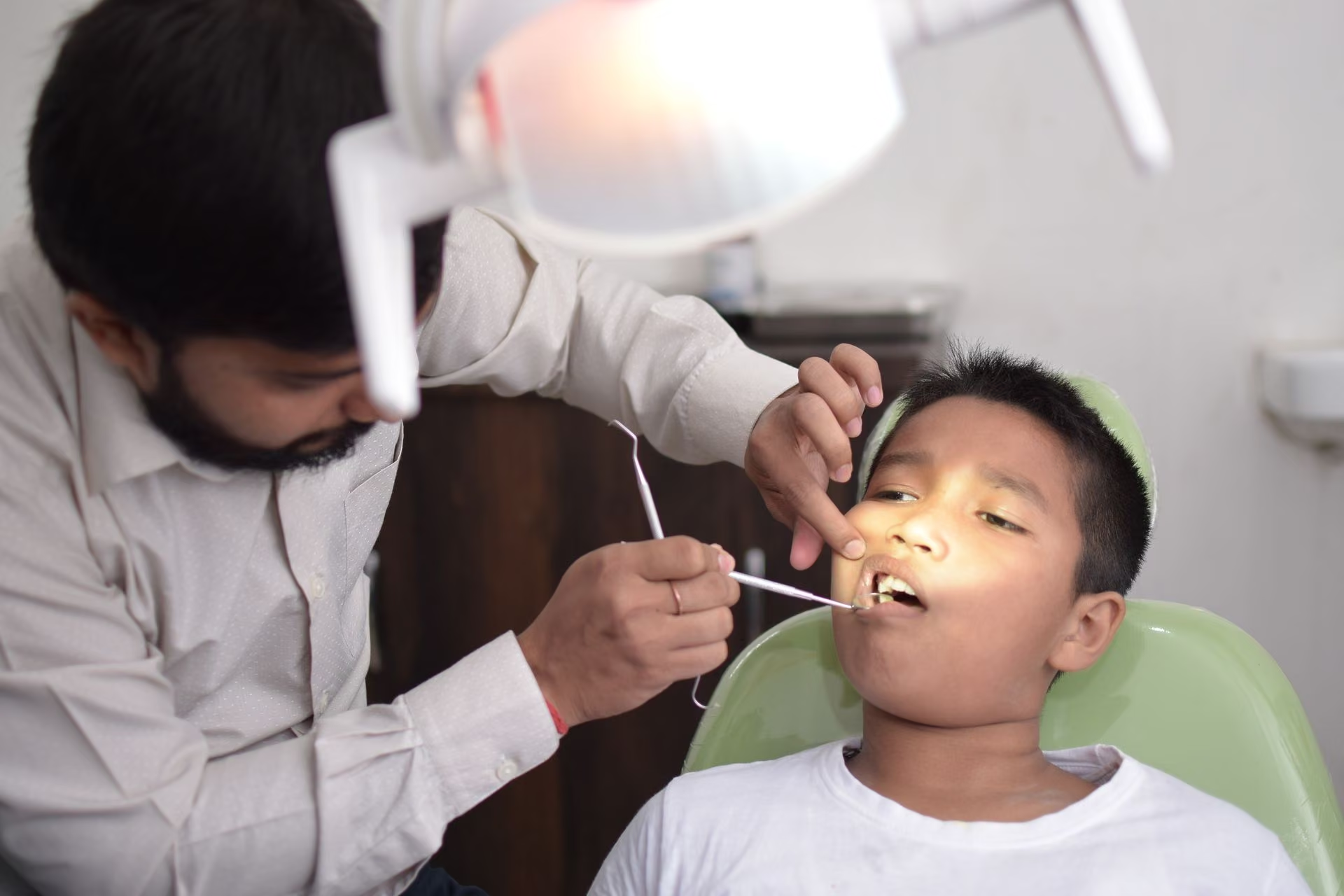
Pediatric dentistry specialists speaking during Community Oral and Dental Health Week (Nov. 16-22) said children should have their first dental checkup by age one at the latest. According to the experts, oral care should begin as soon as the first tooth erupts.
Prof. Dr. Meltem Bakkal of Bezmialem Vakıf University Hospital said oral and dental health is not just about healthy teeth and an attractive smile, but is directly tied to overall body health. Citing World Health Organization (WHO) data, Bakkal said about 3.7 billion people worldwide are affected by oral and dental diseases, roughly 45 percent of the world's population. Tooth decay, periodontal diseases, tooth loss and oral cancers are among the most common problems.
Decay rates in Türkiye
Bakkal also referred to 2019 estimates in the WHO's "2022 Oral Health Country Profile" for Türkiye. According to them, untreated decay prevalence in primary teeth among children aged 1-9 is 43.8 percent, and untreated decay prevalence in permanent teeth among those aged 5 and over is 38.6 percent.
In preventing tooth decay in children, it is important to start oral care with the eruption of the first tooth, have the first dental checkup within the first year, and assess decay risk early.
Prof. Dr. Meltem Bakkal
According to Bakkal, untreated decay can cause pain, sleep problems, feeding difficulties and disruptions in school life in children. Poor oral hygiene and uncontrolled diet were named as the most important risk factors for decay and gum disease. Bakkal stressed that preventive dentistry is the most effective approach. Brushing with fluoride toothpaste at least twice a day, reducing the frequency of snacks and regular dental checkups are core practices. Fluoride varnish and pit and fissure sealants are also among the methods used to prevent decay, particularly in children.
Baby teeth matter
Dr. Hande Bacak of Okmeydanı Oral and Dental Health Hospital said decay and gum disease are common but largely preventable. According to Bacak, untreated problems can harm children's growth and development, school performance and social development.
The foundations of preventive dentistry should be laid in childhood. Oral care should begin with the eruption of the first baby tooth, and children should be introduced to a dentist for their first checkup by the age of one at the latest.
Dr. Hande Bacak
Bacak noted that baby teeth are important for nutrition, speech development, appearance and the correct positioning of permanent teeth, and called for decay in them to be assessed early and treated on time. She added that inability to perform oral care independently, missed checkups and difficulty complying with treatment can raise the incidence of disease among people with disabilities and special needs.
Dentist Buğrahan Bekçi of Küçükçekmece Oral and Dental Health Hospital said brushing alone is not enough, and that teeth, gums, the tongue surface and the oral microbiota should be considered together. Bekçi said bacterial plaque on tooth surfaces is one of the main causes of decay and gum disease, and that untreated problems are linked not only to tooth loss but also to systemic diseases such as cardiovascular disease and diabetes. He also stressed a two-way relationship between diabetes and gum disease.
Bora Haber previously reported: Landlord files complaint against tenant who covered walls with poems in Büyükçekmece and İmamoğlu writes from prison: I back peace and calm, not the government.
Science guides
- Carbon monoxide poisoning: symptoms and preventionCarbon monoxide (CO) is a colorless, odorless gas produced by incomplete combustion in stoves, water heaters and boilers. If you suspect it, get into fresh air at once and call 112.
- What to do in a flood: recommendations for before, during and afterBefore a flood, prepare an emergency kit and evacuation plan; during one, move to high, safe ground and stay out of moving water; afterwards, check electrical and food safety. Follow AFAD and the meteorological service for official warnings.
- What is the winter solstice, and when is the longest night of the year?The winter solstice is the moment the Sun reaches its southernmost position in the sky for the Northern Hemisphere. It usually falls on 21 December (22 December in some years), bringing the shortest day and longest night.



Comments
Sign in to comment.