

Geranium-leaf biosensor aims to diagnose PKU in a single step
Turkish researchers developed a biosensor for diagnosing phenylketonuria (PKU) using silver nanoparticles made from geranium leaves. The sensor reached 95 percent accuracy in a blood-like solution.
· 2 min read
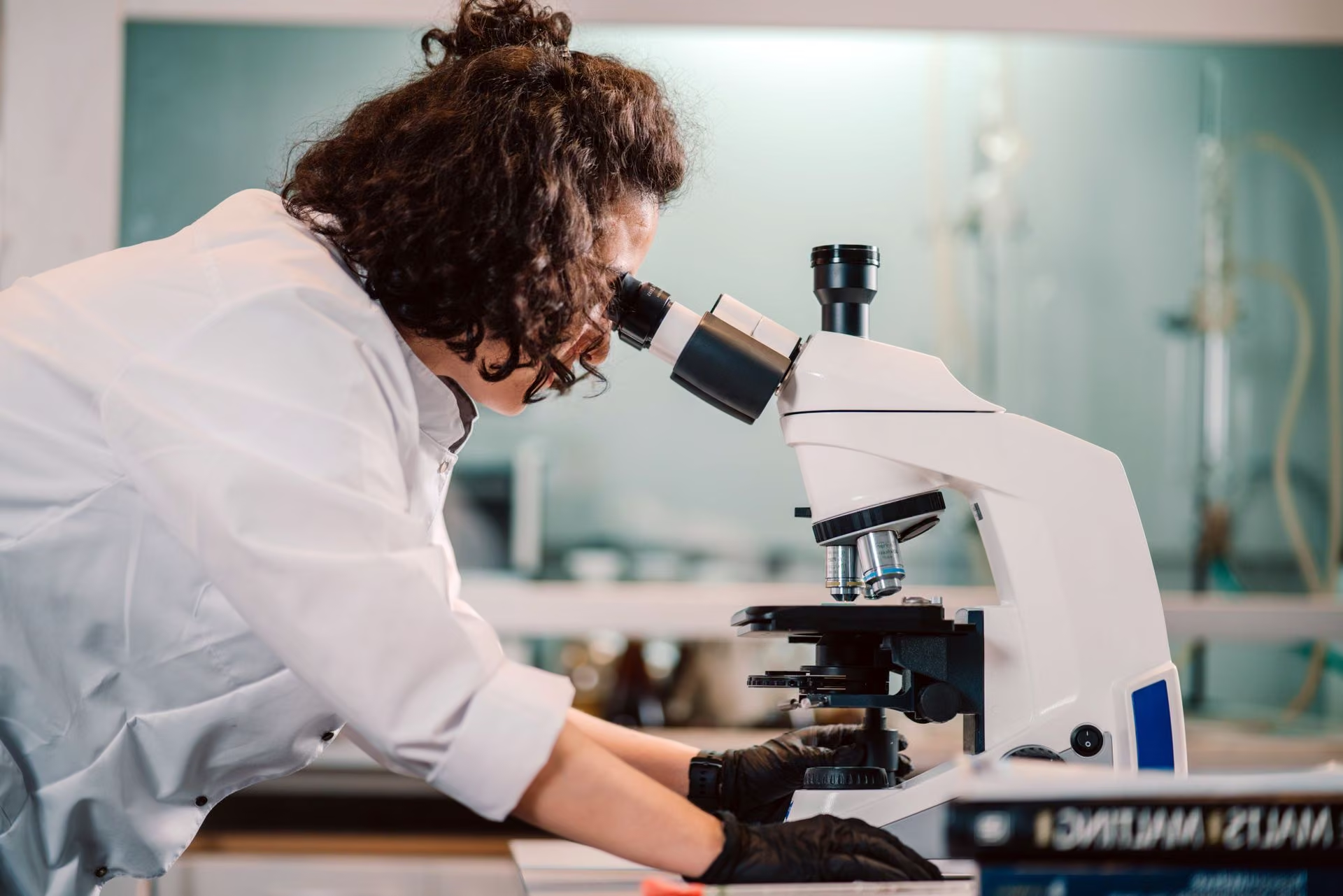
A research team has developed a biosensor that uses the leaves of the geranium plant to make phenylketonuria (PKU) easier and faster to diagnose. The sensor was presented to participants at the 31st Conference of the Parties (COP31) to the United Nations Framework Convention on Climate Change, hosted by Türkiye in Antalya.
The bodies of PKU patients cannot metabolize the amino acid phenylalanine. The sensor can measure the amount of this amino acid in the blood. The team tested the device in a solution with the same chemical structure as human blood and reached 95 percent accuracy. The move to the clinical testing stage is planned for the near future.
How the project developed
After starting work to speed up diagnosis, the team submitted its project to the Turkish Health Institutes Presidency (TÜSEB) in February 2025. The project qualified for TÜSEB support in April 2025, and work picked up pace afterward.
Project lead Assoc. Prof. Dr. Merve Keskin said 250-300 babies are born with PKU in Türkiye every year. She noted that marriages between relatives are one of the important risk factors for the condition.
PKU'nun teşhisinde normalde yenidoğanlardan alınan topuk kanı kullanılarak 2 aşamalı, 1 ay süren bir test uygulanıyor. Bu 2 aşamalı test, hem zaman kaybına hem de ekonomik yüke sebep oluyor. Biz de bu süreci tek basamağa indirerek doğru sonuç veren bir yöntem ortaya çıkarmak istedik.
Assoc. Prof. Dr. Merve Keskin
Green synthesis method
The sensor uses silver nanoparticles, which are usually produced with chemical techniques. The team instead obtained the nanoparticles using geranium leaves.
Ancak bu kimyasallar, çevre için son derece zararlı. Biz de sardunya yaprakları kullanarak, 'yeşil sentez' adını verdiğimiz teknikle hem atık yönetimini gerçekleştirdik hem de çevre dostu bir sensör elde ettik.
Assoc. Prof. Dr. Merve Keskin
Interest at COP31
Keskin said she was proud to present the work at COP31. Promotional cards and brochures were handed to local and foreign visitors, and the details of the study were explained. According to Keskin, visitors found the results interesting, and the use of plant-based products in a technology such as a sensor drew particular interest.
Bora Haber previously reported: COP31 President Kurum: 35% Electrification in Energy Targeted by 2035 and King Charles III Sends Letter of Thanks and Support to Türkiye for COP31.
Guides on this topic
- What is climate change, and what are its causes and effects?Climate change is a lasting shift in Earth's long-term temperature and precipitation patterns. Today its main driver is greenhouse gas emissions from fossil fuels; effects include heatwaves, drought and sea level rise.
- What is a COP climate summit, and why does COP31 matter?COP is the annual decision-making body of the countries party to the UN Framework Convention on Climate Change. COP31 is held in 2026 in Antalya, Türkiye, with Australia presiding over the negotiations.
Science guides
- Carbon monoxide poisoning: symptoms and preventionCarbon monoxide (CO) is a colorless, odorless gas produced by incomplete combustion in stoves, water heaters and boilers. If you suspect it, get into fresh air at once and call 112.
- What to do in a flood: recommendations for before, during and afterBefore a flood, prepare an emergency kit and evacuation plan; during one, move to high, safe ground and stay out of moving water; afterwards, check electrical and food safety. Follow AFAD and the meteorological service for official warnings.
- What is the winter solstice, and when is the longest night of the year?The winter solstice is the moment the Sun reaches its southernmost position in the sky for the Northern Hemisphere. It usually falls on 21 December (22 December in some years), bringing the shortest day and longest night.
Comments
Sign in to comment.