

Total tumor volume emerges as key predictor of survival in prostate cancer
An international study involving Atatürk University finds that as total tumor volume calculated from PSMA PET images increases, survival time for prostate cancer patients shortens.
· 2 min read
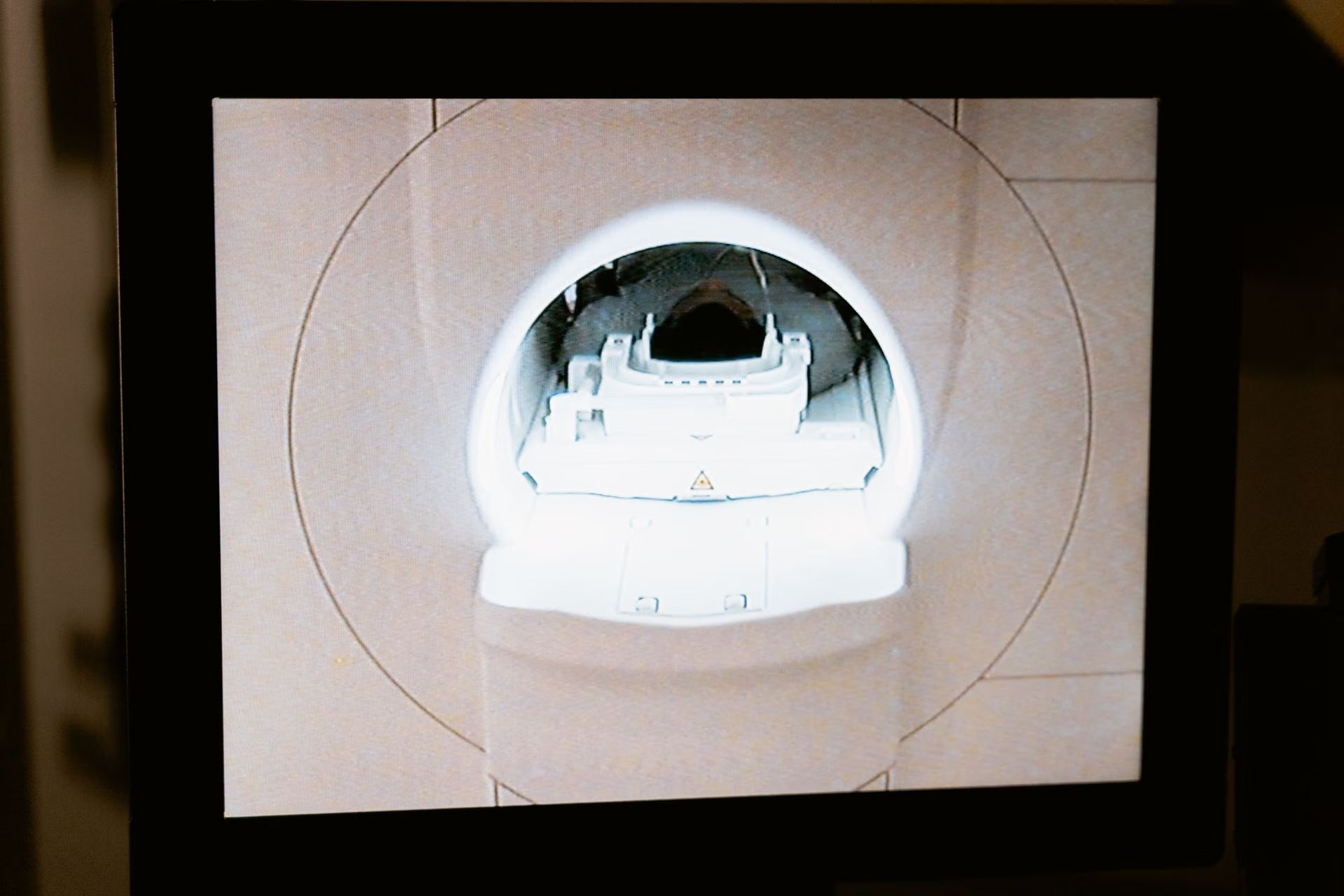
Total tumor volume in the body has proven to be a highly valuable indicator of life expectancy in prostate cancer patients. The international study, with contributions from 6 centers across Europe, Asia, North America, South America, Africa and Australia, plus Türkiye, was published in The Journal of Nuclear Medicine, one of the respected journals in nuclear medicine.
What the study did
Prepared with the work of around 130 researchers, the study evaluated prostate-specific antigen (PSA) blood values and prostate-specific membrane antigen positron emission tomography (PSMA PET) imaging data of 14 thousand people diagnosed with prostate cancer in 2012-2024. Patients were divided into groups by total tumor volume calculated from PSMA PET images, and overall survival probabilities were determined. The analyses were carried out on previously taken PET scans and blood values.
Findings
According to Assoc. Prof. Dr. Adem Maman of Atatürk University, patients' condition had mostly been assessed by looking at blood PSA levels or the brightness of the tumor on PET images. The new study showed that the decisive factor is total tumor volume in the prostate. Total tumor volume can be obtained by measuring individual lesions. As volume grows, average survival time falls; as it shrinks, survival time lengthens.
Maman said that in patients whose total volume is above 16 milliliters, 7-year survival is around 35 percent, while as volume drops this rises to around 85 percent.
Yani tümör hacmi, aslında tedavinin şeklini de değiştirmiş olacak, tümör volümüne göre tedavi seçimi olacak.
Assoc. Prof. Dr. Adem Maman
Bora Haber previously reported: Prof. Dr. Bülent Erbil: Türkiye has a voice in emergency medicine worldwide.
Background
Maman said prostate cancer is the most common cancer in men and the second leading cause of cancer death after lung cancer. Stressing the importance of accurate staging after diagnosis, he explained that PET scanning after a low dose of radioactive substance shows both the cancer in the prostate gland and its points of spread, including bone metastases, clearly.
Saying Atatürk University is proud to take part in a worldwide project with 43 hospitals from 6 continents, Maman added that the study could in future be integrated into a system measurable by artificial intelligence or computer.
Science guides
- What is general health insurance (GSS) and who pays premiums?GSS is Türkiye's compulsory health insurance covering residents against healthcare costs. Most people pay the premium themselves or through an employer; the state covers it for certain groups.
- What should be in an earthquake emergency bag?An earthquake bag should hold at least three days of water and food, first aid supplies, a flashlight, whistle, medications, document copies and batteries or a power bank. Keep it near the exit, easy to reach.
- What is a meteor shower, and when and how can you watch one?A meteor shower happens when Earth passes through trails of dust left by a comet or asteroid, producing many “shooting stars.” Dark skies and patience are the keys to watching one.



Comments
Sign in to comment.