

Türkiye Targets First Contact With the Moon in 2027; Preparations Begin for Space Weather Center
Under the 2027 Presidential Annual Program, the AYAP-1 spacecraft is to launch in 2027, IMECE-2 preparations will be completed and work will start on the space weather center UHUM.
· 2 min read
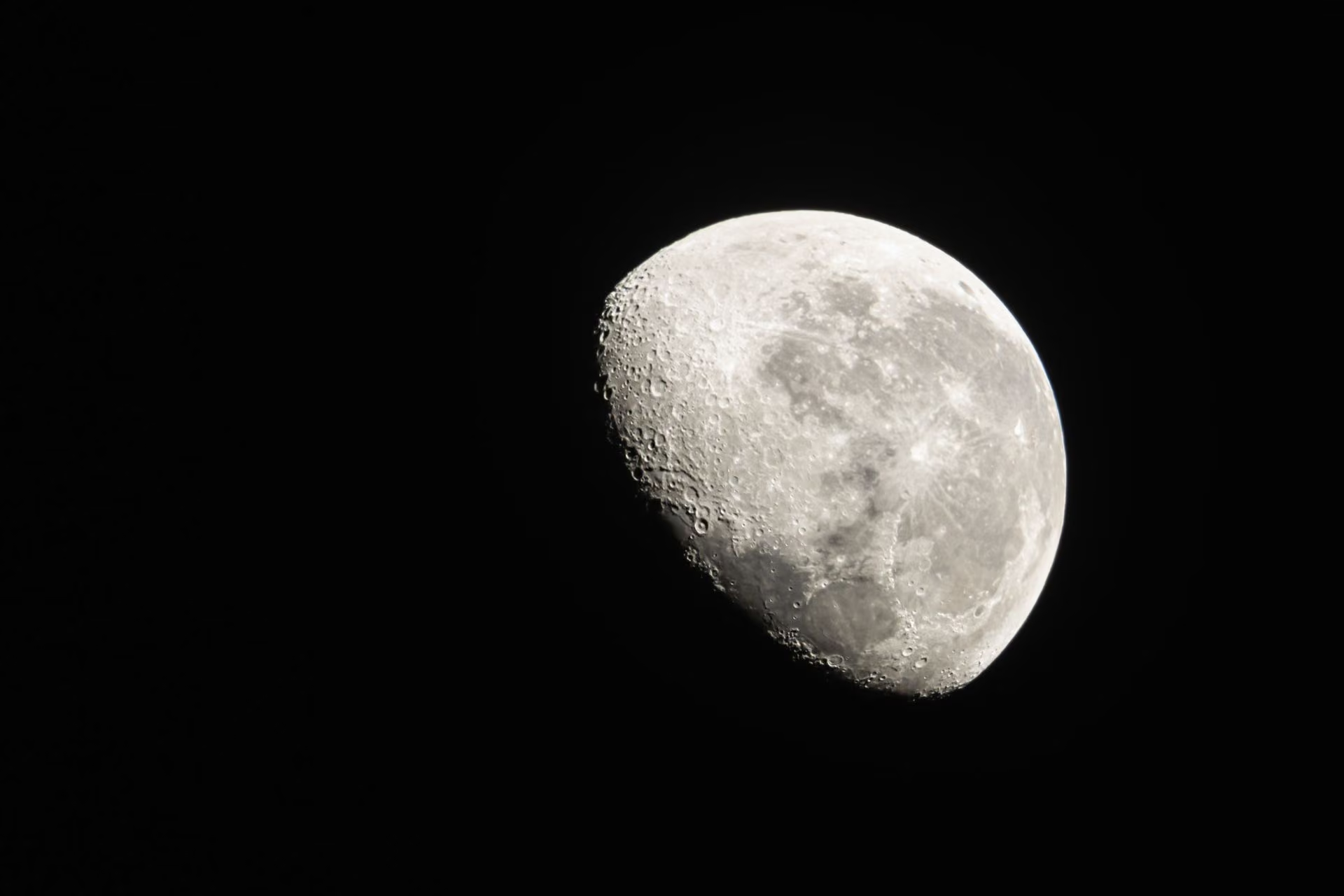
New steps will be taken under the National Space Program, according to the 2027 Presidential Annual Program. The Lunar Research Project and domestic satellite development projects lead the list. The spacecraft developed under AYAP-1, the first phase of the Lunar Research Program, is planned to launch in 2027, with the aim of achieving Türkiye's first contact with the Moon.
Verification, integration and testing work on critical space technologies continues in the AYAP-1 project.
Space weather center UHUM
Another item in the program is UHUM, to be set up to monitor and model the effects of changes in space weather. Preparations for establishing the center will begin. UHUM was designed in line with the goal of increasing the capability of the National Space Program.
Previously announced goals for the center include supporting work at universities and research institutions, integrating it, and carrying out international cooperation. UHUM is meant to create the structure needed to coordinate space weather, space science and astrophysics work and to provide basic services. The center is also expected to develop projects for experiments to be conducted in space.
Satellite projects and infrastructure
In the High-Resolution Constellation Satellite Development Project, integration, environmental testing and launch preparations for IMECE-2 will be completed next year. Developed by TÜBİTAK UZAY, IMECE-2 is described as Türkiye's first domestic and national sub-meter resolution Earth observation satellite. System integration activities for IMECE-3 will also be carried out.
Development of the ground station and electric propulsion infrastructure at the TÜBİTAK Space Technologies Research Institute will continue. Under the responsibility of the Ministry of Industry and Technology, the Türkiye Space Agency, TÜBİTAK and universities will cooperate to develop infrastructure for space technologies as well.
Background: why space weather matters
Space weather, a subfield of space physics, studies changing conditions in the Solar System. Physical events in this environment can disrupt or interrupt satellite lifespans and satellite-based communication and navigation services.
Solar storms can knock out electricity transmission systems on Earth and cause long power outages across wide areas. Because these events can also affect communications, geophysical measurements and climate, space weather needs to be monitored continuously, forecast, and its physical processes better understood. Some countries and international organizations have set up centers and provide space weather services.
Science guides
- How do I book a hospital appointment through MHRS?You can book through MHRS (Central Physician Appointment System) on its website, mobile app or the Alo 182 line. Log in with your Turkish ID number, then choose province, hospital, clinic and doctor.
- What is the difference between earthquake magnitude and intensity?Magnitude measures the energy released at an earthquake's source and is a single value. Intensity describes the effects felt at a particular place and varies by location.
- How do solar and lunar eclipses happen?A solar eclipse happens when the Moon passes between Earth and the Sun and covers it partly or fully. A lunar eclipse happens when the Moon moves into Earth's shadow.

Comments
Sign in to comment.