

30 MWh zinc-bromide battery storage plant to be built on former gas facility site
Capac Energy will build a 7.5 MW, 30 MWh storage plant using Eos zinc-bromide batteries. The system is expected to lose about 3.6% of its capacity over 25 years.
· 2 min read
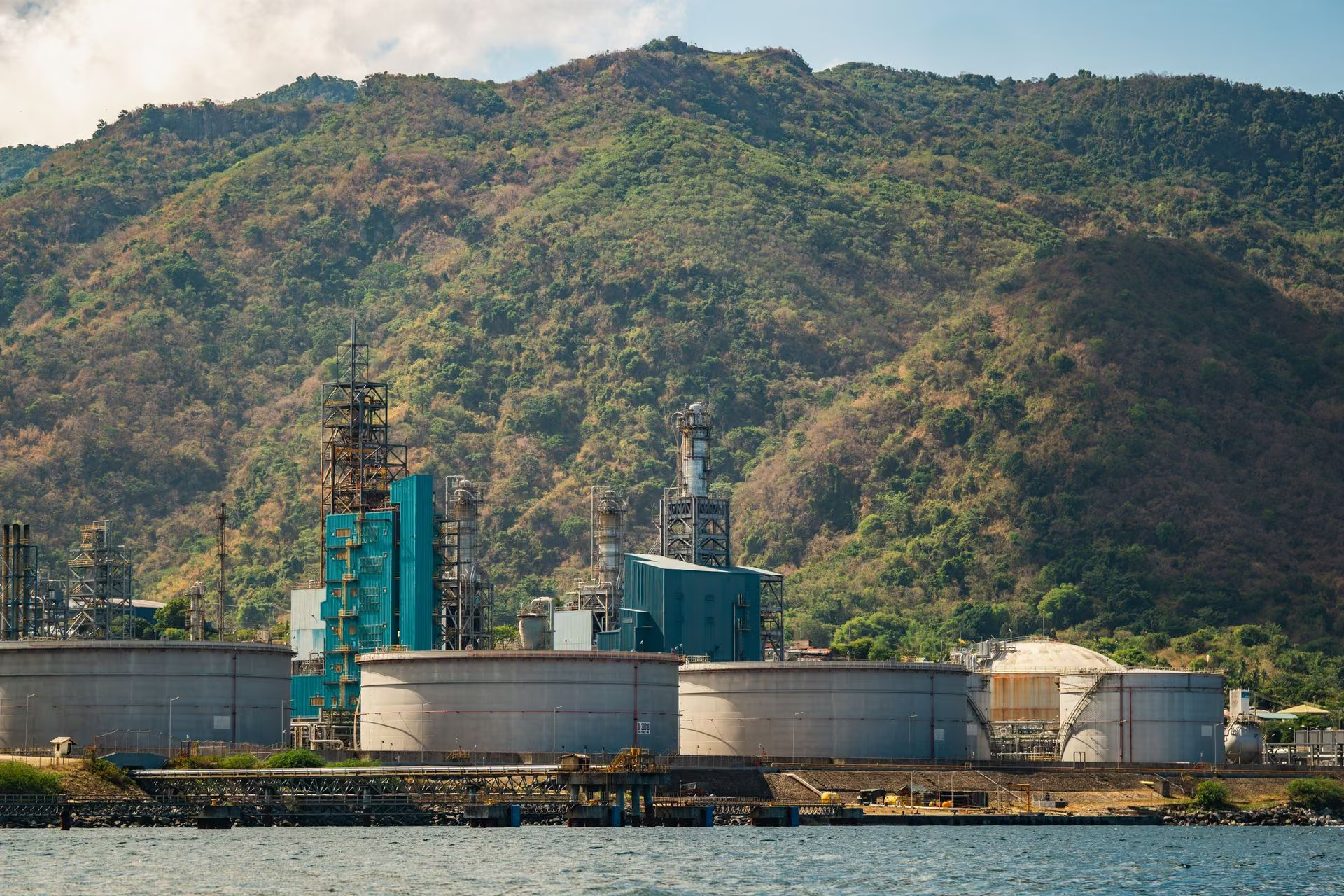
A new energy storage plant running on zinc-bromide batteries will be built on the site of a former liquefied gas facility. With 7.5 MW of power and 30 MWh of capacity, the project will have Capac carrying out all engineering and installation as general contractor.
Capac Energy CEO Benjamin Henecka said the zinc-bromide technology is designed to lose only about 3.6% of its capacity over a 25-year operating life.
Safety and economic model
The system uses a water-based electrolyte, so the battery is non-flammable and carries no thermal runaway risk. This makes it a strong alternative to conventional lithium-ion batteries for energy companies making long-term infrastructure investments.
Stadtwerke Gaggenau and Capac's parent company JP Holding are financing the project together. The investment focuses on the plant's economic value over its entire lifetime rather than the initial installation cost. Because capacity loss is low, no additional battery replacement will be needed in later years. The plant will earn revenue from trading on day-ahead and intraday energy markets and from ancillary services.
Background
The modular batteries are Eos products made in Pennsylvania. A steel structure that allows horizontal and vertical stacking provides a compact installation. Henecka said the partnership offers European energy companies a practical alternative for reducing dependence on lithium-ion supply chains in which China is prominent.
Capac and Eos had previously signed an agreement for a 22 MWh project in Bruchsal, Germany. The parties had also agreed on 2 GWh of storage capacity in Central Europe through 2031.
Technology guides
- How to view grades and absences on e-OkulSign in to the e-Okul Parent Information System with e-Devlet or a parent password, select the student, and open the grades or absences menu. Students can also check their own records.
- How to get a student certificate from e-DevletLog in to e-Devlet Kapısı (the Turkish e-Government Gateway), search for “öğrenci belgesi” (student certificate) and open the relevant service. The document is generated electronically; check the receiving institution's acceptance rules.
- How to check planned power outages and what are your rights during an outage?You can check planned outages on your regional electricity distribution company's website, mobile app or call center. The regulator for outage and quality rights is the Energy Market Regulatory Authority (EPDK).



Comments
Sign in to comment.