

What Is a Start-Stop System, Does It Save Fuel, and Should You Turn It Off?
The start-stop system, which shuts off the engine when the car stops, adds about 2 percent to fuel efficiency. There is no technical need to keep it permanently switched off.
· 2 min read
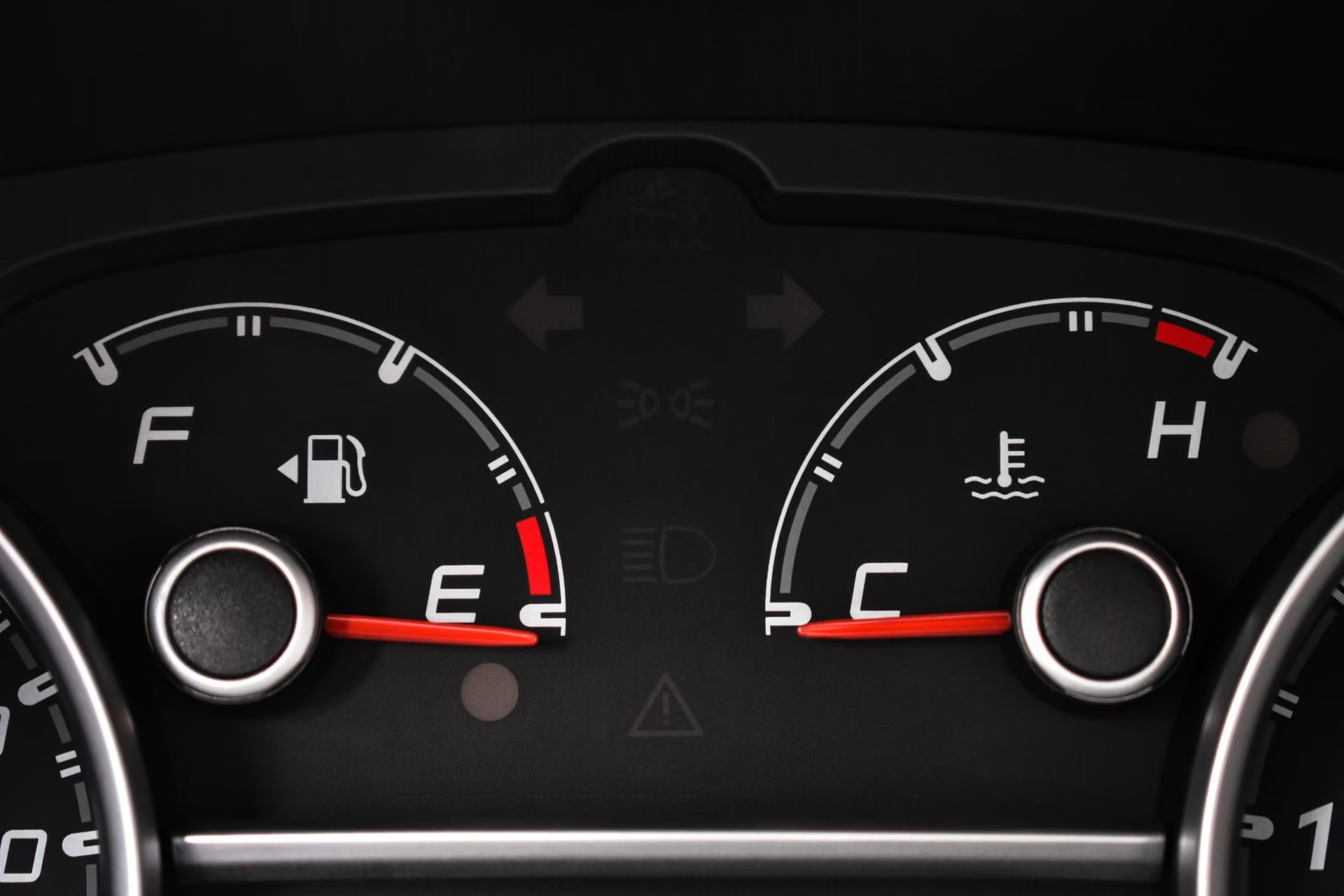
A start-stop system is a technology that automatically shuts off the engine when a vehicle is stationary and starts it again when the driver wants to set off. In automatic cars it usually kicks in when the brake pedal is pressed. In manual cars, putting the gearbox in neutral and releasing the clutch is enough. How useful the system is depends on where and how the car is driven.
What does it do?
The main aim is to stop the engine running needlessly at traffic lights and in heavy traffic. While the engine is off, the car's electronic systems keep working. Because the car burns no fuel while it isn't idling, the system saves fuel. Its contribution to fuel efficiency is about 2 percent, though the figure varies with usage conditions.
Does it wear out the engine?
The most common concern is that constantly stopping and starting the engine causes wear. However, cars with this technology are fitted with starter systems and batteries designed for frequent restart cycles. Repeatedly turning the ignition off and on in an ordinary car is not the same as a start-stop system at work. The system generally engages when the engine is at a suitable temperature. In a properly designed and well-maintained car, the idea that it will wear the engine quickly is not correct.
Battery difference
The system draws energy from the battery more often. For this reason, cars with the technology use EFB or AGM batteries, which can withstand more charge and discharge cycles, instead of standard ones. EFB is generally preferred in basic start-stop systems, while AGM is used in advanced systems with higher energy needs.
Should you turn it off?
The system is designed to work together with the car's related hardware, so there is no technical reason to keep it permanently off. On routes with frequent stops in the city, leaving it on can help reduce fuel consumption. Still, if the system constantly cutting in and out in heavy stop-and-go traffic bothers you, or if air-conditioning performance is a priority, it can be switched off temporarily. There is no need to disable it permanently just out of fear of engine damage.
Bora Haber previously reported: Why won't your car start? Battery, starter, fuel and ignition problems and Mandatory winter tire requirement begins on November 15.
Technology guides
- How to create a strong password and what is two-step verification?A strong password is long, unpredictable and different for every account. Two-step verification asks for a second proof besides the password, so your account stays protected even if the password is stolen.
- How to create a strong passwordA strong password is long, unpredictable and unique to each account. Use a random password of at least 14-16 characters or a multi-word passphrase, and add a password manager and two-step verification.
- How much is the IMEI registration fee? Registering a phone brought from abroadThe IMEI registration fee in 2026 is 54 bin 258 TL (54,258 TL). For 2027, about 69 bin 358 TL (69,358 TL) is expected with the 27.83 percent revaluation rate; the final amount depends on the tariff published in the Official Gazette.

Comments
Sign in to comment.