

Why won't your car start? Battery, starter, fuel and ignition problems
A car needs several systems, including the battery, fuel, air and ignition, to work together. A fault in any one of them can keep the engine from starting.
· 3 min read
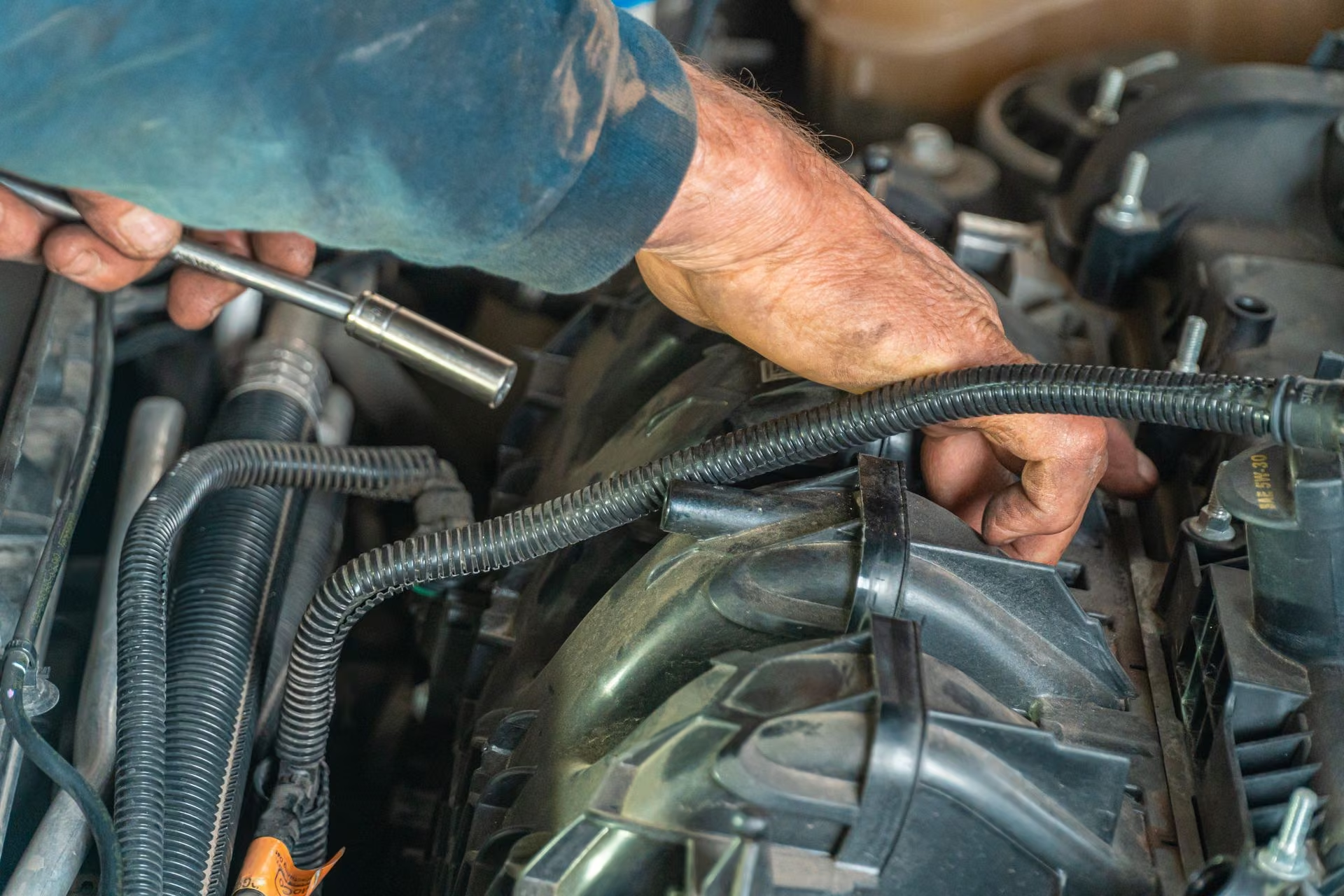
When a car does not respond after the ignition is turned, the first suspect is usually a dead battery. However, an engine needs more than a battery to start: fuel, air and proper ignition must all work together. A problem in just one of these systems can keep the car from starting.
Causes in the electrical system
A battery that cannot supply enough power is among the most common causes. Because the battery powers the starter motor that first turns the engine, a weak battery may leave the starter without enough strength. Dim dashboard lights, rapid clicking when starting, or no response at all can point to a battery problem. Leaving the headlights on, letting the car sit unused for a long time, and a battery reaching the end of its life also cause it.
If the battery is fine but the car still won't start, the terminals should be checked for looseness, dirt or oxidation. When the connection between the battery and the car's electrical system is poor, not enough current may reach the starter motor. The car then starts normally at times and does not respond at other times. Hearing no sound at all when turning the key, or dashboard lights suddenly going out and coming back on, is a sign to suspect the connections.
If the battery is charged and the electrical system works, a faulty starter motor is possible. When it fails, the engine cannot be turned sufficiently. A single click with no engine rotation can mean a problem in the starter motor, the starter relay or the connecting circuits. The alternator, meanwhile, generates electricity while the engine runs, powers the car's electrical system and recharges the battery. When it fails, the battery gradually drains. Dim headlights, a battery warning light on the dashboard or irregularities in electronic equipment can point to an alternator problem. Even if the car keeps running at first, ignoring these warnings may leave it unable to start the next time.
Fuel and ignition systems
If the starter turns but the engine won't run, the fuel system can be checked. The engine needs the right amount of fuel to reach the combustion chamber. A faulty fuel pump, a clogged fuel filter or a problem in the pump's electrical circuit can disrupt this flow. Slow starting, stuttering during acceleration, and stalling while driving and then failing to restart are among the signs of problems in this system.
In petrol engines, spark plugs create the spark that ignites the air-fuel mixture in the cylinder. Worn or dirty spark plugs, or a failed ignition coil, can prevent the engine from running properly. In that case, even if the starter turns, the engine will not start because there is no ignition. Misfiring, uneven idling, loss of performance and higher fuel consumption can also appear.
In diesel cars, fuel ignites on its own because of the high temperature of compressed air. Glow plugs help heat the combustion chamber, especially when a cold engine is first started. If they fail, starting becomes harder, more noticeably in cold weather. Difficulty starting in the morning, slow starting, or white smoke from the exhaust during start-up points to a problem with the glow plugs or the system that controls them.
Problems with the security system
Even with no mechanical fault, the car's security system may not allow the engine to start. The immobilizer is an electronic security system that lets the car run only with a registered, authorized key. If communication between the chip in the key and the car fails, the engine may not start. In smart key systems, a dead key battery or a key not detected by the car can cause similar problems. In such cases, a warning about the key or security system is expected to appear on the dashboard.
Bora Haber previously reported: Equipment Drivers Should Prepare for Their Cars Before Winter Arrives.
Technology guides
- What is two-step verification and how do you turn it on?Two-step verification adds a second proof (a code, prompt or key) on top of your password when you sign in. You enable it in your account's security settings, and it protects you even if your password is stolen.
- How to get and renew your e-Devlet passwordYou get an e-Devlet password in person at a PTT branch with an ID document. If you forgot it, reset it with “Forgot my password” on e-Devlet Kapısı (Turkey's e-Government Gateway) or get a new one from PTT.
- How to view grades and absences on e-OkulSign in to the e-Okul Parent Information System with e-Devlet or a parent password, select the student, and open the grades or absences menu. Students can also check their own records.
Comments
Sign in to comment.