

Nahles: AI will transform rather than destroy jobs in Germany
Nahles said that over the next 15 years about 800 thousand jobs in Germany will disappear because of AI, while a similar number of new jobs is expected to be created.
· 2 min read
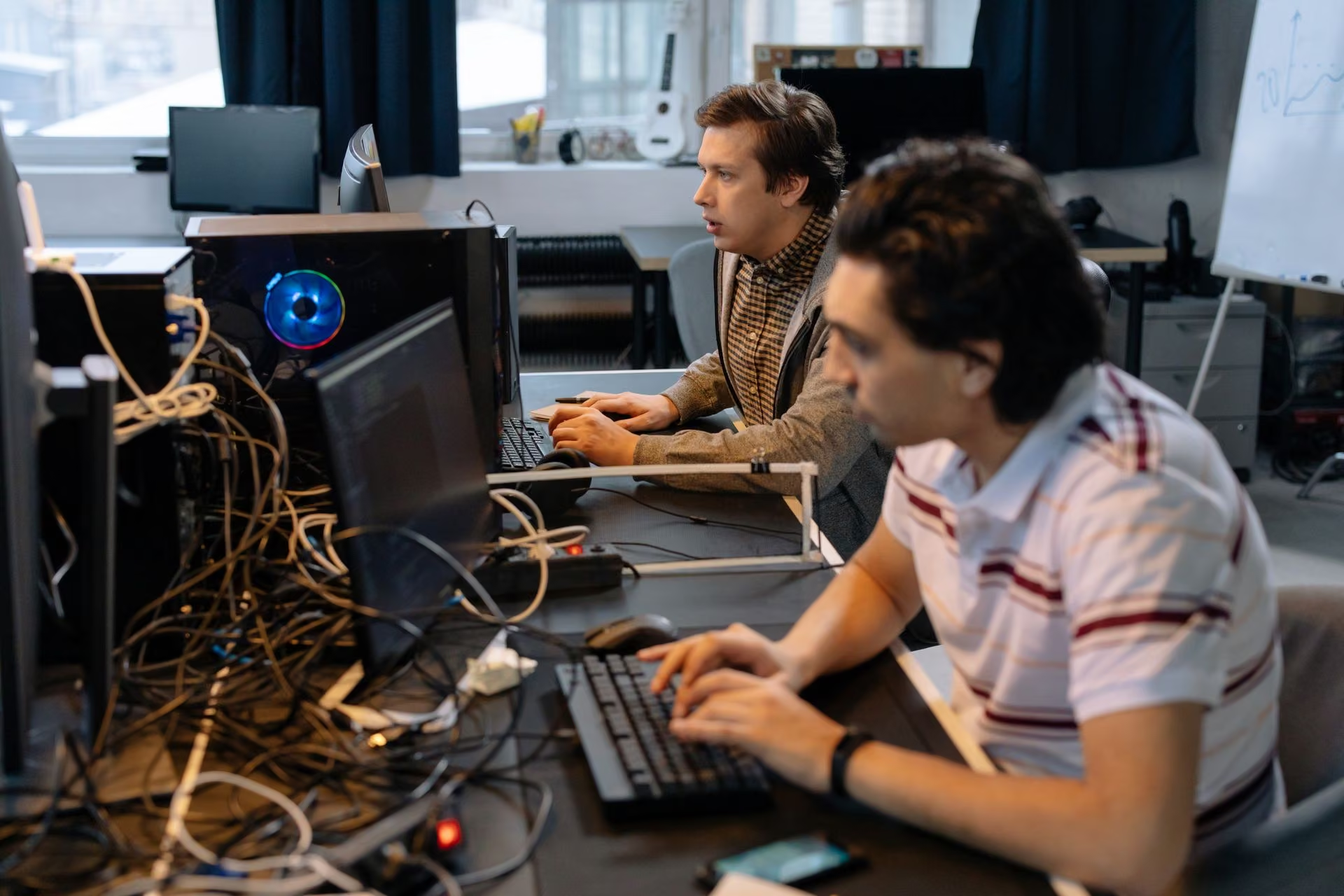
Nahles assessed the impact of artificial intelligence on Germany's labor market. Saying AI will transform employment rather than destroy it, she noted that some areas will be hit harder by the process.
Önümüzdeki 15 yıl içinde Almanya'da yapay zeka nedeniyle yaklaşık 800 bin işin ortadan kalkacağını ancak benzer sayıda yeni istihdamın da oluşturacağını öngörüyoruz.
Nahles
According to Nahles, corporate service providers and analytical positions at insurers and banks are among the areas that will be affected most. She said she wants more investment in AI in Germany, but not because it is fashionable, only as long as it increases productivity.
No one is exempt
Nahles said job losses will not affect only highly skilled workers, adding that, together with the economic stagnation, it is taking young graduates longer to find work. She said manual crafts and relatively low-skilled jobs are more resistant to AI.
Buna rağmen temel kural geçerliliğini koruyor, esasen artık hiç kimse bu dönüşümden muaf değil.
Nahles
According to data from the Institute for Employment Research (IAB), 1 in every 4 companies in Germany uses AI. Nahles said her institution supports companies in this transformation with digital training programs.
Young people and the labor market
Addressing the worsening employment prospects of the younger generation, Nahles said apprenticeship and vocational training places fell 6 percent this year to about 31 thousand, while the number of applicants rose.
Saying it will take time for upbeat economic forecasts to reach the labor market, Nahles stated that even if the economic recovery stabilizes at the start of the year, it would take half a year to reach the labor market, and that this shift probably will not happen before summer 2027. She noted that market uncertainty is also reflected in job vacancies.
Skilled labor shortage
Describing the 580 thousand rise in the number of unemployed in Germany since 2022 as the priority problem in the short term, Nahles said the country's biggest "mega problem" within 5 years will be the shortage of skilled labor. Noting that Germany loses a net 500 thousand workers every year due to demographic change and that migration within Europe is no longer sufficient, she pointed out that attracting skilled workers from countries outside the European Union (EU) is essential.
Bora Haber previously reported: Turkey's Education Ministry to have AI prepare most questions in new common written exams and YÖK President Özvar: Work Under Way to Cut Bachelor's Degrees From 4 Years to 3.
Technology guides
- How to create a strong passwordA strong password is long, unpredictable and unique to each account. Use a random password of at least 14-16 characters or a multi-word passphrase, and add a password manager and two-step verification.
- How much is the IMEI registration fee? Registering a phone brought from abroadThe IMEI registration fee in 2026 is 54 bin 258 TL (54,258 TL). For 2027, about 69 bin 358 TL (69,358 TL) is expected with the 27.83 percent revaluation rate; the final amount depends on the tariff published in the Official Gazette.
- What is two-step verification and how do you turn it on?Two-step verification adds a second proof (a code, prompt or key) on top of your password when you sign in. You enable it in your account's security settings, and it protects you even if your password is stolen.

Comments
Sign in to comment.