

China study of 5,000+ people aged 80 and over: Underweight women who eat meat more likely to reach 100
A study in China found underweight women who eat meat were 44% more likely than vegetarians to reach age 100. No such link was seen in men or in heavier groups.
· 3 min read
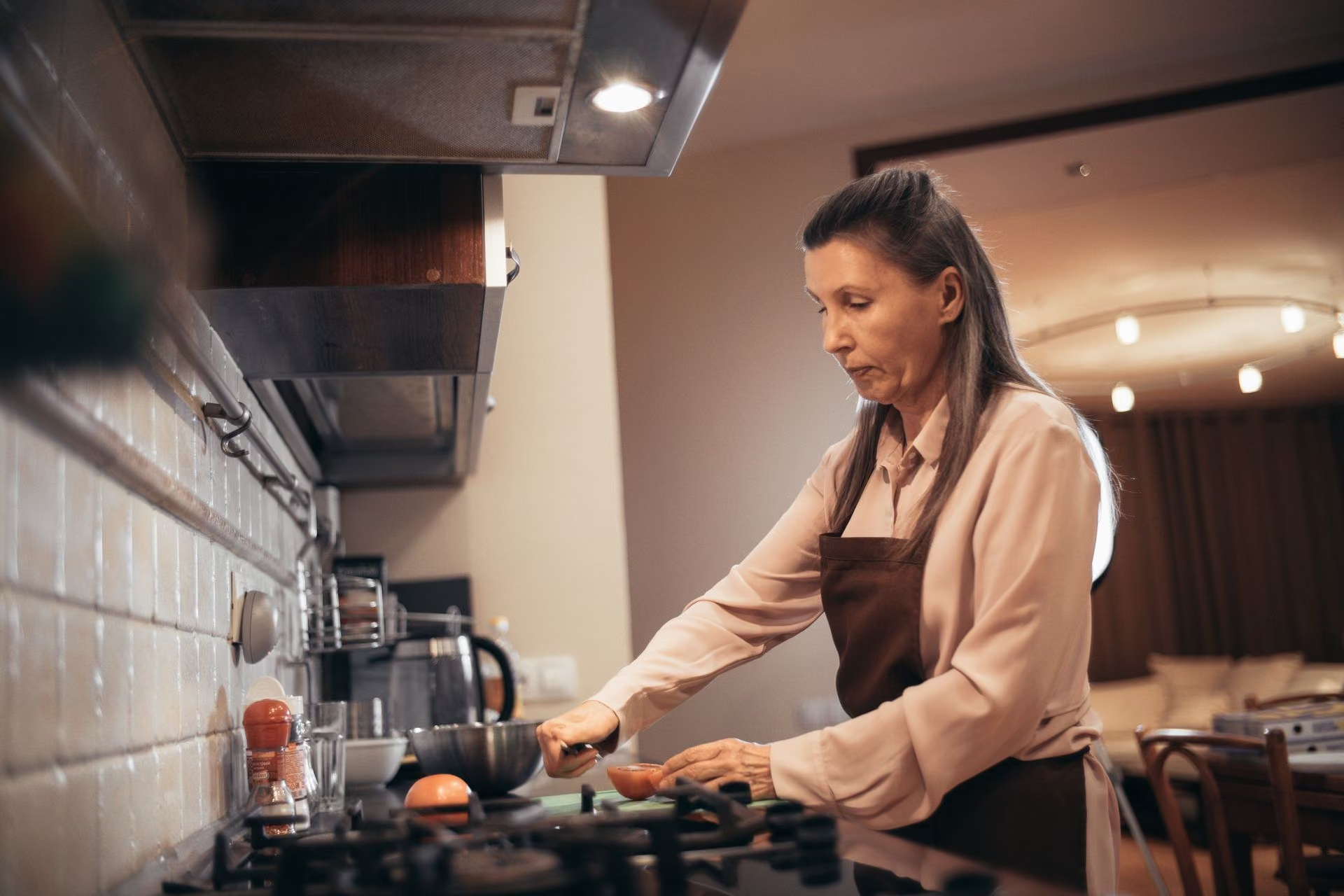
Scientists from Fudan University, the Chinese Center for Disease Control and Prevention and Shanghai Jiao Tong University examined the link between eating habits and the likelihood of reaching age 100 in a study of more than 5,000 people aged 80 and over in China. Women who ate meat were more likely than vegetarians to reach 100, but only in the underweight group.
The study was published in The American Journal of Clinical Nutrition. The authors used data from the Chinese Longitudinal Healthy Longevity Survey (CLHLS) and compared 1,459 participants aged 100 with 3,744 people aged 80-99.
Results differ by sex and body type
The association varied by sex and body type. Underweight women who ate meat were 44% more likely to reach 100 than vegetarians. The link was not observed in normal-weight or overweight groups. In men, no significant association was found between vegetarianism and reaching 100.
Another notable finding was that older adults who avoided meat but ate fish, eggs or dairy were just as likely to reach 100 as meat eaters. In other words, as long as energy and essential nutrients are adequate, not eating meat does not necessarily reduce the chance of a long life.
According to the research team, body mass index (BMI) may partly explain the results. The finding recalls the "obesity paradox," in which slightly heavier older adults sometimes have better health outcomes than thin ones. Unlike in younger people, low weight in older adults can signal malnutrition, muscle loss or declining health, which can weaken immunity, slow recovery and make it harder to fight disease. This does not mean being overweight is beneficial.
Limits of the study
The study only shows a link between diet and longevity; it does not prove that eating meat directly leads to a longer life. Health status, living conditions and lifestyle may also affect the results. In addition, the dietary data reflect participants' habits in later life rather than throughout their lives; food preferences can change as health, chewing ability and digestion change.
Background
Another study of more than 65,000 people of various ages noted a higher fracture risk among vegetarians in some analyses. Researchers say low protein and calcium intake may contribute to this risk. A 2026 review by University of Wisconsin-Madison researchers suggests protein restriction may promote healthy aging in some organisms; the role of protein in aging remains debated.
Diets rich in plant foods and low in red and processed meat are linked to a lower risk of cardiovascular disease, stroke, type 2 diabetes and obesity. Rather than prioritizing or eliminating one food group, a balanced diet that includes animal and plant foods and provides enough energy and nutrients is recommended. Older people who are underweight or show signs of malnutrition should have their health assessed and their diets adjusted accordingly.
Science guides
- How do lunar and solar eclipses happen, and how can you watch them safely?In a solar eclipse the Moon passes between Earth and the Sun; in a lunar eclipse Earth passes between the Sun and the Moon. Never watch a solar eclipse with bare eyes or sunglasses; use certified eclipse glasses.
- Who can donate blood, how often, and how is it done?To donate blood you need to be in good general health and meet the Turkish Red Crescent's (Türk Kızılay) age, weight and health criteria. Eligibility is decided at a pre-donation screening at the donation centre.
- How do I book a hospital appointment through MHRS?You can book through MHRS (Central Physician Appointment System) on its website, mobile app or the Alo 182 line. Log in with your Turkish ID number, then choose province, hospital, clinic and doctor.
Comments
Sign in to comment.