

Fiber-rich foods may help the body expel microplastics
Chinese researchers found that fiber-rich foods such as lentils, chickpeas, oats and whole grains helped animals expel microplastics. More clinical research is needed to confirm the results in humans.
· 2 min read
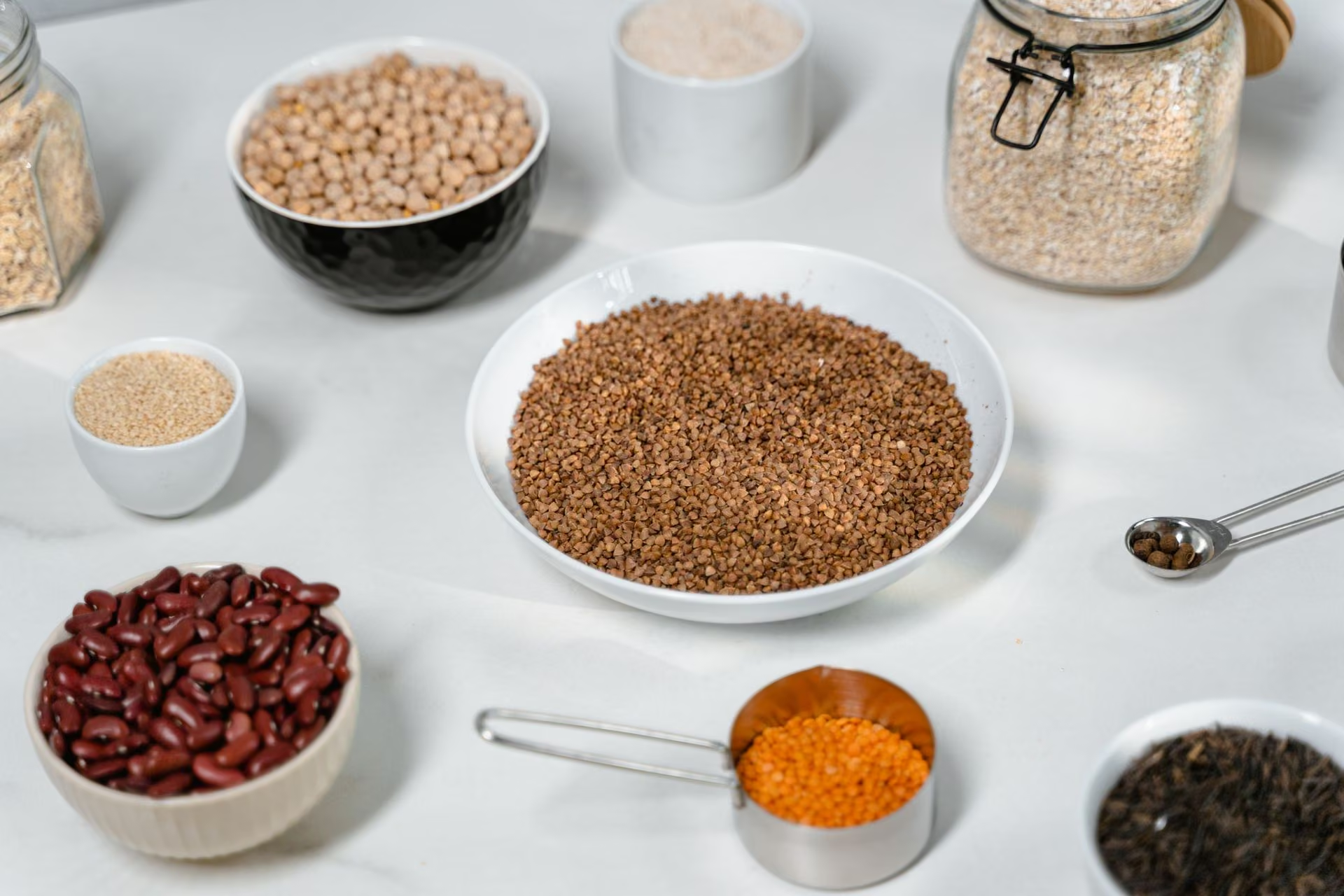
A new study by Chinese scientists has found that eating fiber-rich foods may also protect against microplastics that build up in the body. According to the findings, fiber-rich foods act like a natural broom in the digestive system, helping microplastics leave the body.
In their animal study, researchers at the South China University of Technology found that subjects fed fiber-rich diets expelled microplastics from their bodies at a high rate. The results were published in the peer-reviewed journal Nature Communications.
Fibers cling to plastic particles
The researchers determined that the mesh-like structure of dietary fibers physically attaches to plastic particles in the digestive tract. This mechanism prevents the particles from being absorbed and makes it easier for them to leave the body. Fiber-rich foods were also said to prevent the damage microplastics cause to intestinal tissue.
The level of microplastics in the subjects' bodies dropped notably within just 24 hours. Fiber-rich foods such as lentils, chickpeas, oats and whole grains offer a protective shield not only for general health but also against the accumulation of plastic waste in the body.
Bora Haber previously reported: China study of 5,000+ people aged 80 and over: Underweight women who eat meat more likely to reach 100.
Background
Microplastics, which enter the body every day through water, air and food, are regarded as an unavoidable global health problem. The new study highlights an important detail about diet in this area.
Experts underline that more clinical research is needed to confirm the effects of the laboratory results in humans.
Science guides
- What is e-Nabız and how do you view lab results?e-Nabız is the Ministry of Health's personal health record system in Türkiye. Log in with e-Devlet or another supported method and open “Tetkik Sonuçlarım” (test results) to see your lab results.
- How to change your family doctor in TürkiyeA family doctor change is made by applying to the Provincial/District Health Directorate, or through electronic channels where available, under the Ministry of Health's system. Conditions and waiting periods may change, so check the current rules with an official source.
- What is general health insurance (GSS) and who pays premiums?GSS is Türkiye's compulsory health insurance covering residents against healthcare costs. Most people pay the premium themselves or through an employer; the state covers it for certain groups.
Comments
Sign in to comment.