

WMO: 2026 will be one of the four warmest years on record
In an update released at COP31, the World Meteorological Organization said 2026 will rank among the warmest years on record, with sea level and ocean temperatures at record highs.
· 3 min read
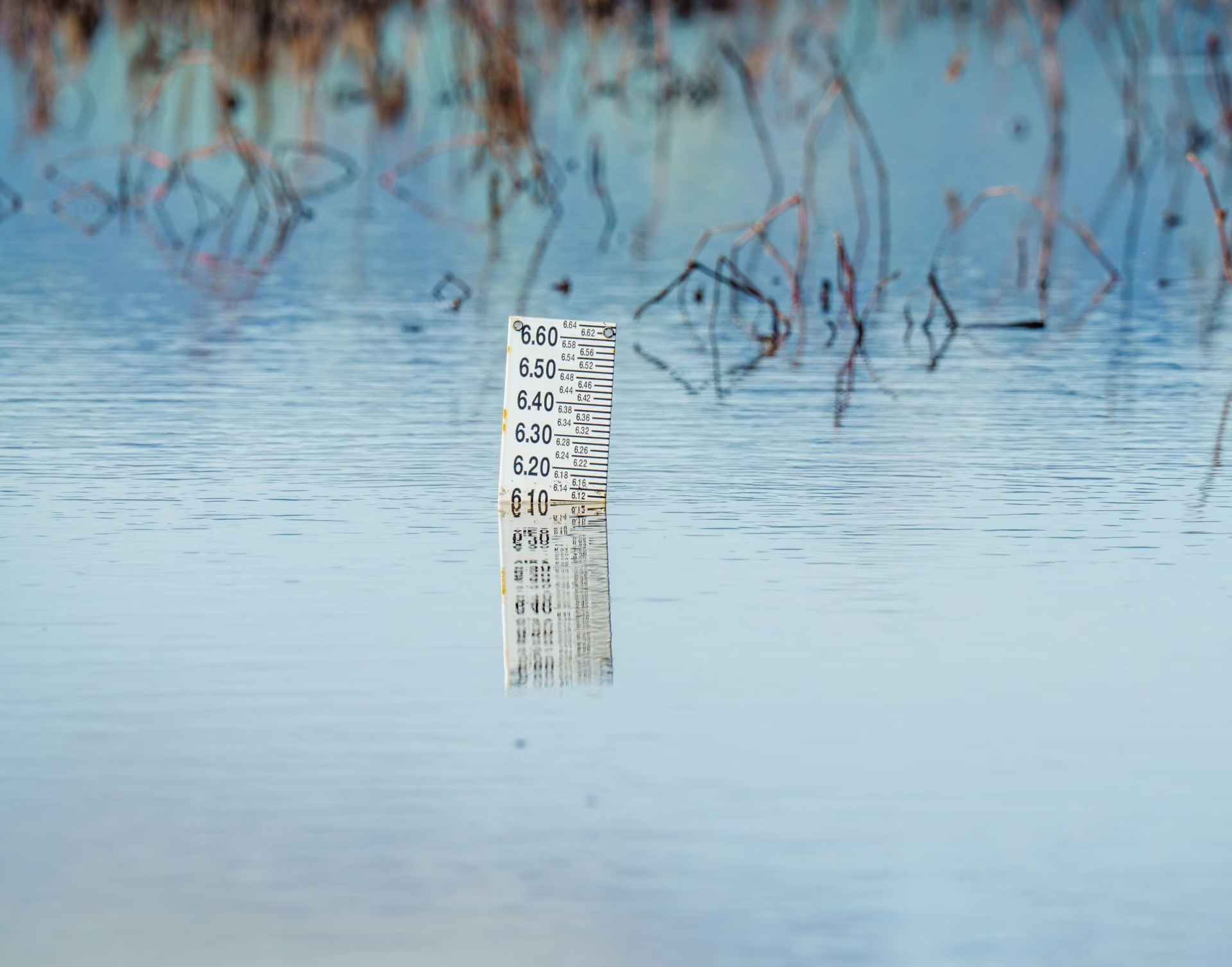
The World Meteorological Organization (WMO) said 2026 will be one of the four warmest years on record. It announced the finding in an update titled "State of the Global Climate 2026", shared during the 31st Conference of the Parties (COP31) to the UN Framework Convention on Climate Change, hosted by Türkiye on 9-20 November.
According to the report, the long-term trend of extraordinary temperatures, melting glaciers and rising sea levels continues in 2026. The last 12 years were the warmest on record. From January to September, global mean surface temperature was about 1.47 degrees above the pre-industrial average.
El Niño, which has been strengthening since August, is expected to become the strongest on record by December. The report says the temperature figure is projected to rise further by year end due to warming. The report covers data up to September 2026 and does not yet reflect the latest effects of El Niño.
Sea level and oceans
Earth's energy imbalance is growing and the planet system is storing heat at an increasingly rapid rate. Because greenhouse gases trap unprecedented amounts of heat, this imbalance has reached its highest level since monitoring began. Oceans absorb 90 percent of the excess heat, and 2026 is on track to be a year in which ocean temperatures set a record for the 10th consecutive time.
Sea level reached its highest recorded level, and surface temperatures set monthly records throughout 2026. The long-term retreat of glaciers continues. The annual ice mass loss in 2025 was equivalent to filling 5 Olympic swimming pools every second of the year.
A heavy toll in Europe
The report noted that extreme weather affected lives and livelihoods, weakened food security, deepened poverty and caused displacement in many regions. Heatwaves, drought and wildfires in Europe caused more than 30 thousand deaths according to preliminary estimates. National temperature records were broken in at least 8 countries in Europe, with major impacts on agriculture, energy and transport.
As a positive development, the report pointed to the number of countries reporting early warning systems for highly dangerous climate events rising from 56 in 2015 to 136 in 2025.
Warnings from Guterres and Saulo
UN Secretary-General Antonio Guterres noted that a new era of climate extremes has begun. Guterres said a very strong El Niño is colliding with a planet already overheated by human-caused climate change.
Climate records are being broken one after another, and the human costs are steadily rising.
Antonio Guterres
Guterres said those least responsible for the situation pay the price first and hardest, and called on leaders to take the issue seriously by cutting emissions faster, speeding up a just transition away from fossil fuels, and providing the finance and protection vulnerable countries need.
WMO Secretary-General Celeste Saulo said El Niño does not add new heat to the planet but releases heat in oceans that have already reached the highest measured levels. Saulo said much more heat is waiting to be released, and that heatwaves, tropical cyclones and heavy rainfall are intensifying much faster than historical data predicted.
Hundreds of millions of people were exposed to unbearably extreme heat this year.
Celeste Saulo
Saulo described the catastrophic ice and rock collapses and flash floods in Nepal as an illustration of the multifaceted risks faced by fragile communities in warming high mountain regions.
Bora Haber previously reported: Burhanettin Duran: COP31 will be an important summit that turns climate action into concrete results and Borsa Istanbul opens higher, led by chemicals, petroleum and plastics.
Guides on this topic
- What is climate change, and what are its causes and effects?Climate change is a lasting shift in Earth's long-term temperature and precipitation patterns. Today its main driver is greenhouse gas emissions from fossil fuels; effects include heatwaves, drought and sea level rise.
- What is a COP climate summit, and why does COP31 matter?COP is the annual decision-making body of the countries party to the UN Framework Convention on Climate Change. COP31 is held in 2026 in Antalya, Türkiye, with Australia presiding over the negotiations.
Science guides
- How to give first aid for heatstrokeHeatstroke is an emergency. Call your local emergency number first, move the person somewhere cool and shaded, loosen clothing, and cool the body quickly with water, wet cloths or ice.
- How do the northern lights (aurora) form, and where can you see them?The northern lights are a glow produced when charged particles from the Sun travel along Earth's magnetic field to the poles and collide with gases in the upper atmosphere. They are best seen at high latitudes on dark, clear nights.
- What is e-Nabız and how do you view lab results?e-Nabız is the Ministry of Health's personal health record system in Türkiye. Log in with e-Devlet or another supported method and open “Tetkik Sonuçlarım” (test results) to see your lab results.


Comments
Sign in to comment.