

Global wind power roadmap for the next 10 years: GWEC and TÜREB issue declaration
A declaration prepared by GWEC and TÜREB sets out five core principles, combining industry commitments and policy recommendations for governments to scale up wind energy over the next decade.
· 3 min read
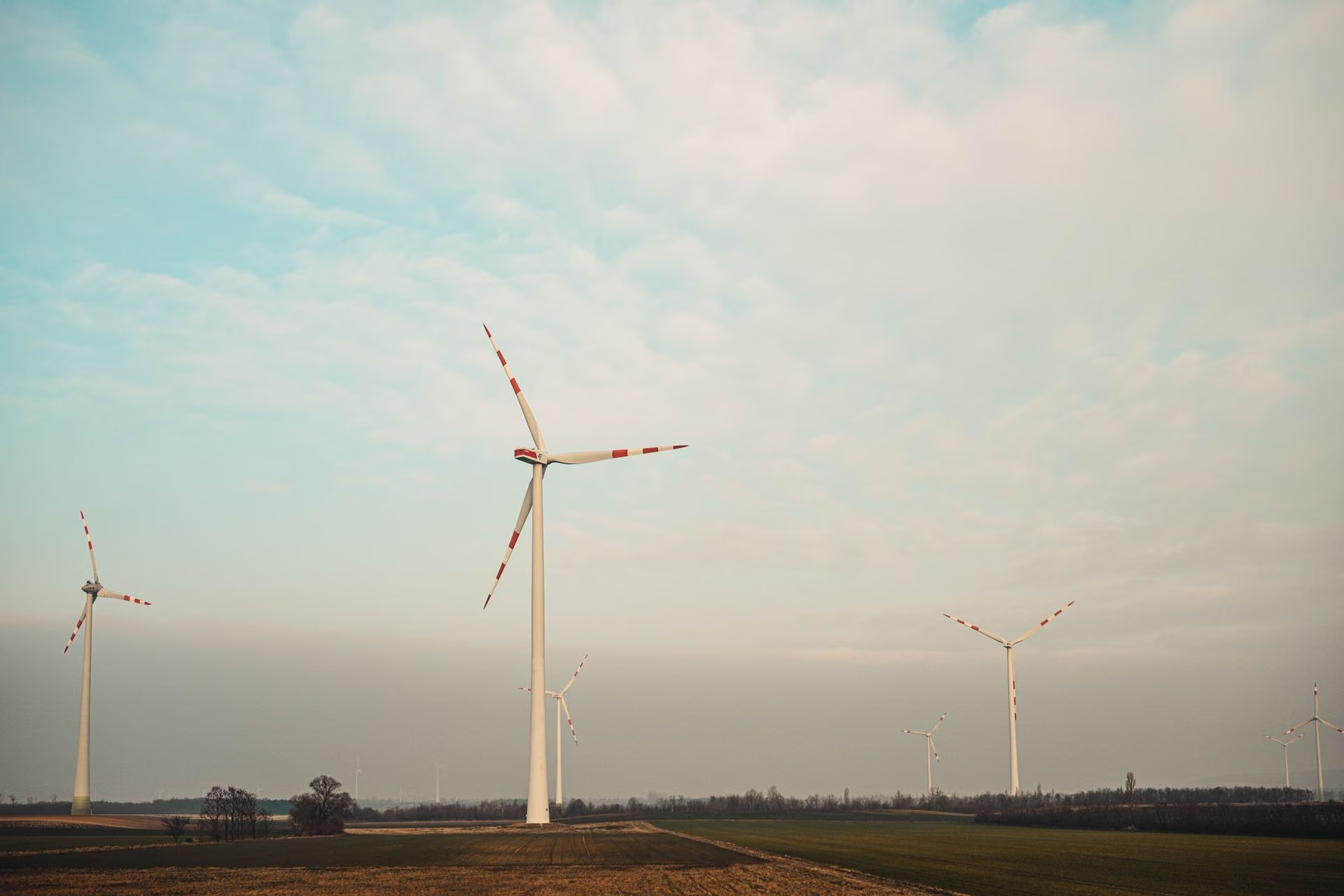
The Global Wind Energy Council (GWEC), in cooperation with the Turkish Wind Energy Association (TÜREB), has prepared the "Global Wind Declaration: Powering the Future". The document offers a comprehensive roadmap for scaling up wind energy over the next 10 years. It brings together industry commitments and policy recommendations for governments to help create favourable conditions for new investment.
Wind energy in numbers
According to GWEC data, global installed wind capacity grew more than 20-fold over the past 20 years, reaching 1,299 gigawatts at the end of 2025. The sector brought 165 gigawatts of new capacity online last year, enough on its own to meet the electricity needs of about 118 million households. GWEC modelling included in the declaration shows global capacity on track to reach 2 terawatts by 2029 and 3 terawatts by 2035.
Leading wind project developers, manufacturers and companies from different parts of the supply chain contributed to the document. National and regional wind associations in Europe, Africa, the Americas, and Asia and the Pacific also backed the declaration.
Five core principles
The declaration defines "Five Core Principles for Accelerated Growth": ensuring policy predictability and building project pipelines that enable investment; creating wind industries that strengthen regional economies; advancing innovation, standards and sustainable supply chains; integrating wind more strongly into energy system planning; and unlocking the full potential of offshore wind.
Comments from GWEC and TÜREB
Temiz, güvenli ve uygun maliyetli bir enerji sistemine geçiş, rüzgar enerjisiyle başlıyor.
GWEC CEO Ben Backwell
Backwell said placing wind at the centre of energy system planning would meet growing demand for clean, domestic and affordable energy in an increasingly electrified economy. Stressing that new projects must be delivered faster, he said the declaration offers a roadmap that could triple or even quadruple wind capacity in 10 years. Reaching the targets, he noted, is possible only if the public and private sectors work together, and requires predictable policies, clearer signals on future demand, stronger integration of wind into the power system, and solutions to problems in grid infrastructure, permitting, financing and supply chains.
TÜREB Chair İbrahim Erden said wind energy can strengthen energy supply security, support electrification and boost industrial competitiveness. He said Türkiye's experience shows the value of combining wind development with a strong manufacturing base and international cooperation. Erden said TÜREB and GWEC call for closer cooperation among governments, industry representatives and financial institutions, with the aim of removing obstacles in practice, strengthening local supply chains, and delivering affordable, clean electricity and lasting economic benefits to societies.
Bora Haber previously reported: Ambassador Jiang: China and Türkiye Should Pursue Joint Green Energy Projects Ahead of COP31 and Türkiye generated 70.3 percent of its electricity from domestic sources in September.
Guides on this topic
Economy guides
- MTV amounts: motor vehicle tax table and payment periodsWith TÜİK's October Domestic PPI data, the 2027 revaluation rate was set at 27.83 percent (yüzde 27,83). MTV is paid twice a year; the calculated annual amount for a pre-2018, 1–3 year-old, 0–1300 cc car is 7.350 TL.
- What is the relationship between interest rates and inflation?Central banks usually raise interest rates when inflation climbs and cut them when it falls. Higher rates slow demand and spending to limit price increases, though the effect arrives with a delay.
- How to get a tax refundA tax refund is the return of overpaid or wrongly paid tax, requested from the Revenue Administration (Gelir İdaresi Başkanlığı) tax office. The method depends on the refund type; many steps can be done through the Interactive Tax Office.
Comments
Sign in to comment.