

Iran-linked tankers spotted over undersea internet cables in the Gulf of Oman
In October, three sanctioned tankers and an Iranian fishing boat were tracked near major undersea cables. The lines through Hormuz are critical for the internet connectivity of many countries.
· 2 min read
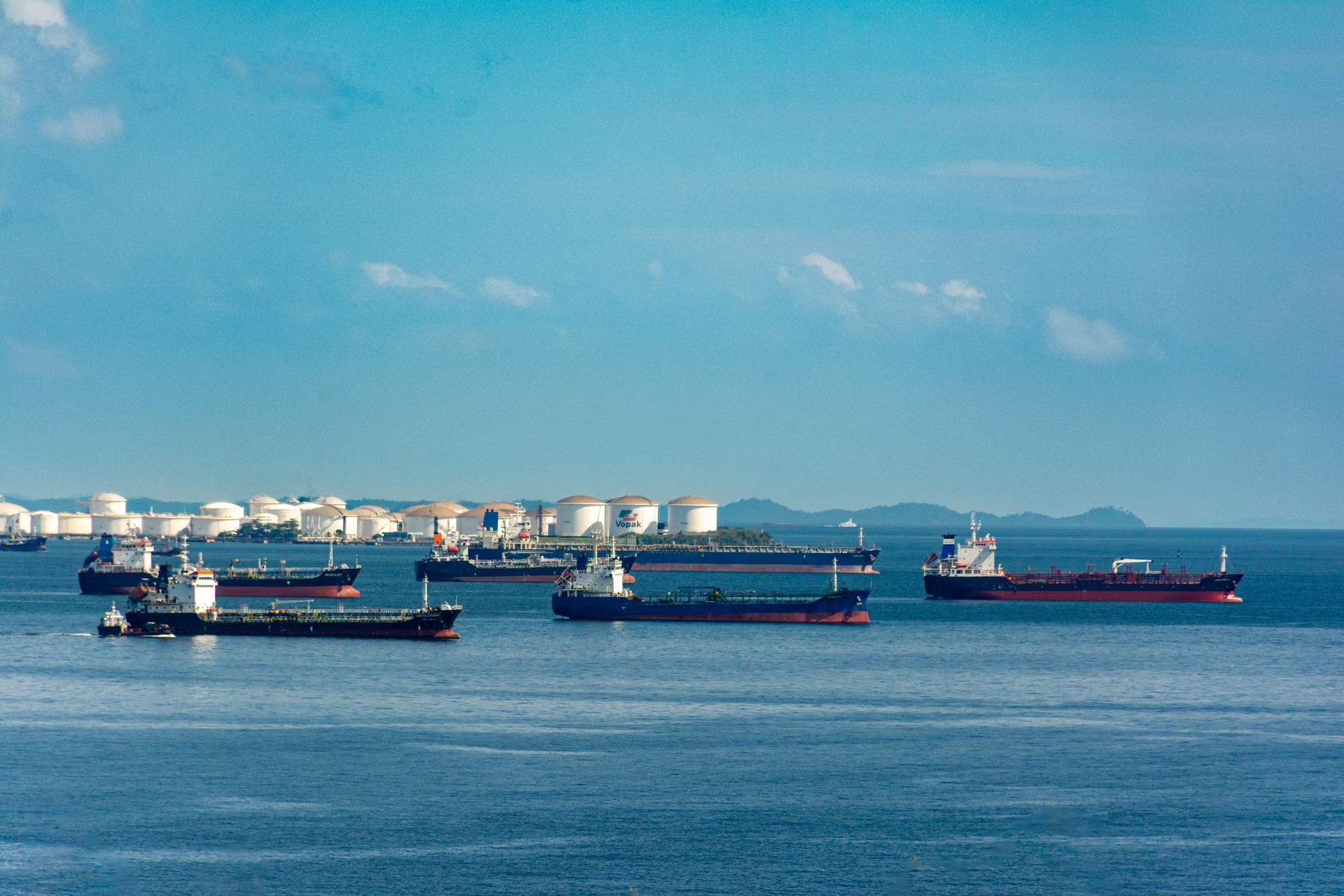
Three sanctioned tankers and an Iranian fishing boat were found in October to be positioned near undersea communication cables in the Gulf of Oman. A maritime intelligence firm tracked the vessels' movements. The finding came as Iran's warnings aimed at Donald Trump continue, and the ships' routes are being closely watched.
The available data consists of vessel positions, which are not enough to draw firm conclusions about their intent. Reading a possible threat scenario as established fact would therefore be wrong. Even so, damage to the cables could spread its effects across a wide region.
Cable infrastructure in Hormuz
Six active cables currently run beneath the Strait of Hormuz. They link the Middle East with Europe, Africa and Asia. Two more cables, parts of which are under construction, are also in the region. Because all of these lines share the same narrow waterway, every vessel movement in the area matters for the infrastructure.
Iraq, Kuwait, Bahrain and Qatar rely entirely on undersea lines passing through this strait for their link to the outside world. A possible attack could cause serious outages in these four countries.
The impact could reach beyond the Gulf
The problem may not be limited to Gulf states. One third of India's westbound internet traffic is carried via the Persian Gulf and the Strait of Hormuz, so damage could be felt in distant countries too. The ships' movements over the cables highlight the fragility of internet infrastructure as well as regional tensions.
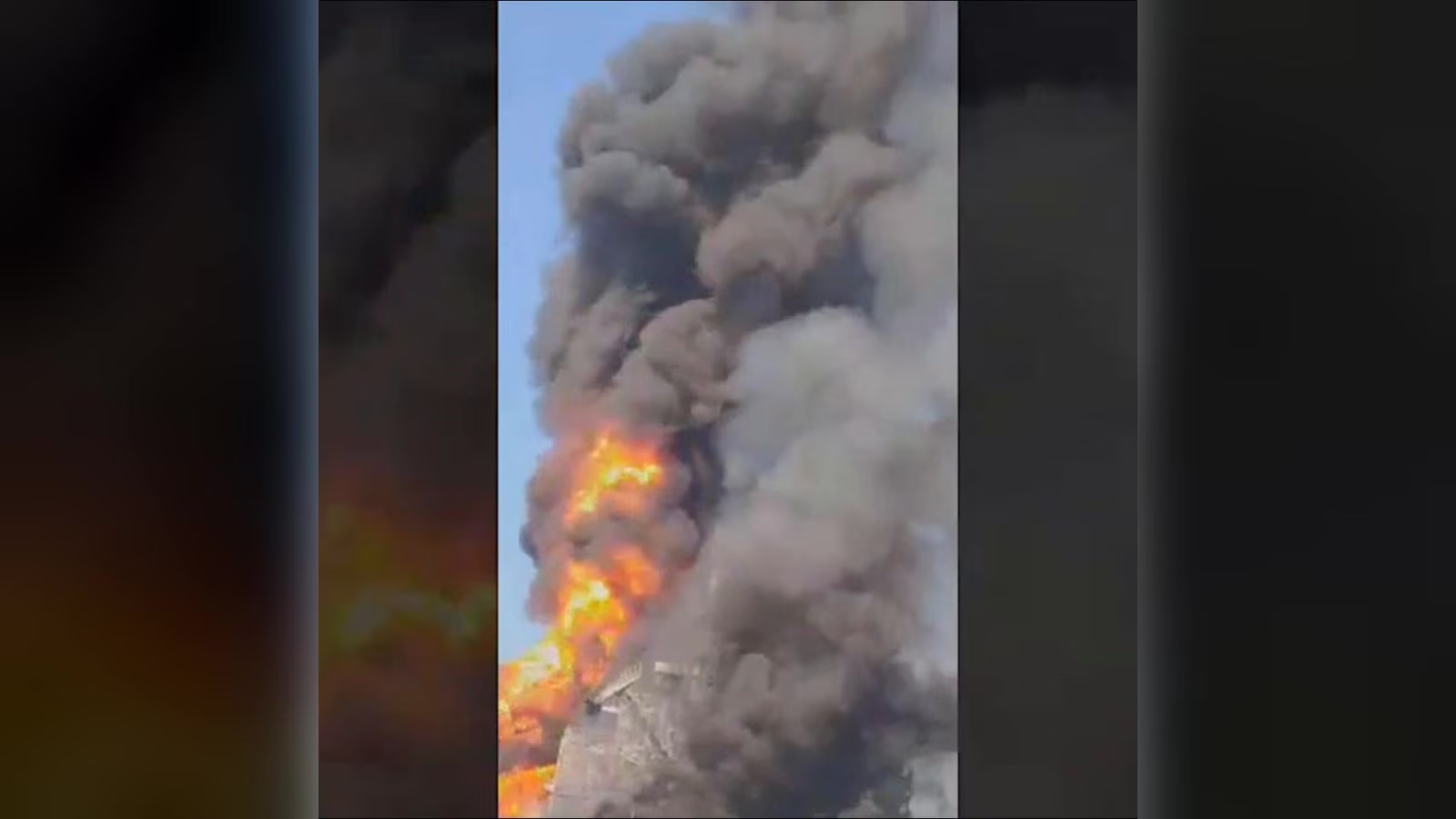
Bora Haber previously reported: Burning oil tanker detected south of Strait of Hormuz; Iran cites violation and Israeli experts say Iran war cost Republicans in US midterm elections.
Science guides
- What is e-Nabız and how do you view lab results?e-Nabız is the Ministry of Health's personal health record system in Türkiye. Log in with e-Devlet or another supported method and open “Tetkik Sonuçlarım” (test results) to see your lab results.
- How to change your family doctor in TürkiyeA family doctor change is made by applying to the Provincial/District Health Directorate, or through electronic channels where available, under the Ministry of Health's system. Conditions and waiting periods may change, so check the current rules with an official source.
- What is general health insurance (GSS) and who pays premiums?GSS is Türkiye's compulsory health insurance covering residents against healthcare costs. Most people pay the premium themselves or through an employer; the state covers it for certain groups.

Comments
Sign in to comment.