

China's CERES-2 rocket completes its first successful satellite delivery mission
The CERES-2 rocket placed satellites into their planned orbit. The launch was the rocket's first successful payload mission, as private space activity grows in China.
· 1 min read
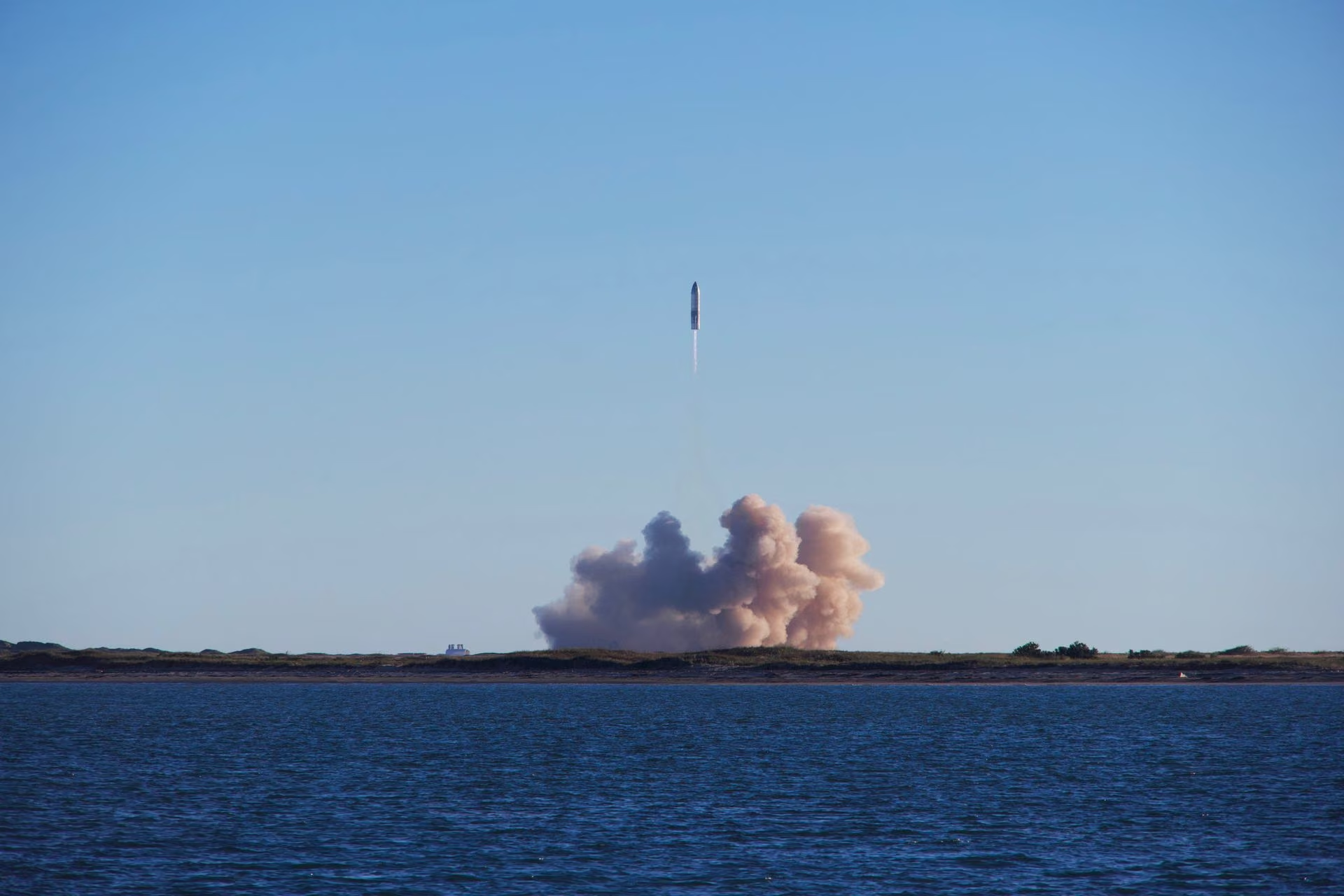
The CERES-2 rocket, developed in China, successfully placed the satellites it carried into their planned orbital position. The launch was recorded as the rocket's first successful delivery mission.
Technical features of the rocket
With a diameter of 3.35 meters, CERES-2 uses solid fuel in its first three stages. The fourth stage uses hydrazine, a liquid fuel. The rocket can carry up to 1.6 tons to Low Earth Orbit and up to 1.3 tons to Sun-Synchronous Orbit.
Background
China's space program relies on Long March rockets, produced by the state-owned China Aerospace Science and Technology Corporation (CASC), as its main carrier. Meanwhile, private-sector interest in building space rockets has grown worldwide in recent years. In parallel with this trend, the Beijing government appears to be supporting private ventures in the field.
Besides Galactic Energy, the Chinese private companies i-Space, Space Pioneer, LandSpace and Orienspace also carry out launches with rockets they developed themselves. Space transport in the country is thus carried out with vehicles developed by private companies alongside the state company's Long March rockets.
Science guides
- What is general health insurance (GSS) and who pays premiums?GSS is Türkiye's compulsory health insurance covering residents against healthcare costs. Most people pay the premium themselves or through an employer; the state covers it for certain groups.
- What should be in an earthquake emergency bag?An earthquake bag should hold at least three days of water and food, first aid supplies, a flashlight, whistle, medications, document copies and batteries or a power bank. Keep it near the exit, easy to reach.
- What is a meteor shower, and when and how can you watch one?A meteor shower happens when Earth passes through trails of dust left by a comet or asteroid, producing many “shooting stars.” Dark skies and patience are the keys to watching one.

Comments
Sign in to comment.