

New 125-million-year-old dinosaur genus identified in southern England: Paludohadros
A fossil unearthed in Surrey in 2001 has been described as a new iguanodontian genus. The plant-eating dinosaur lived about 125 million years ago in muddy wetlands.
· 3 min read
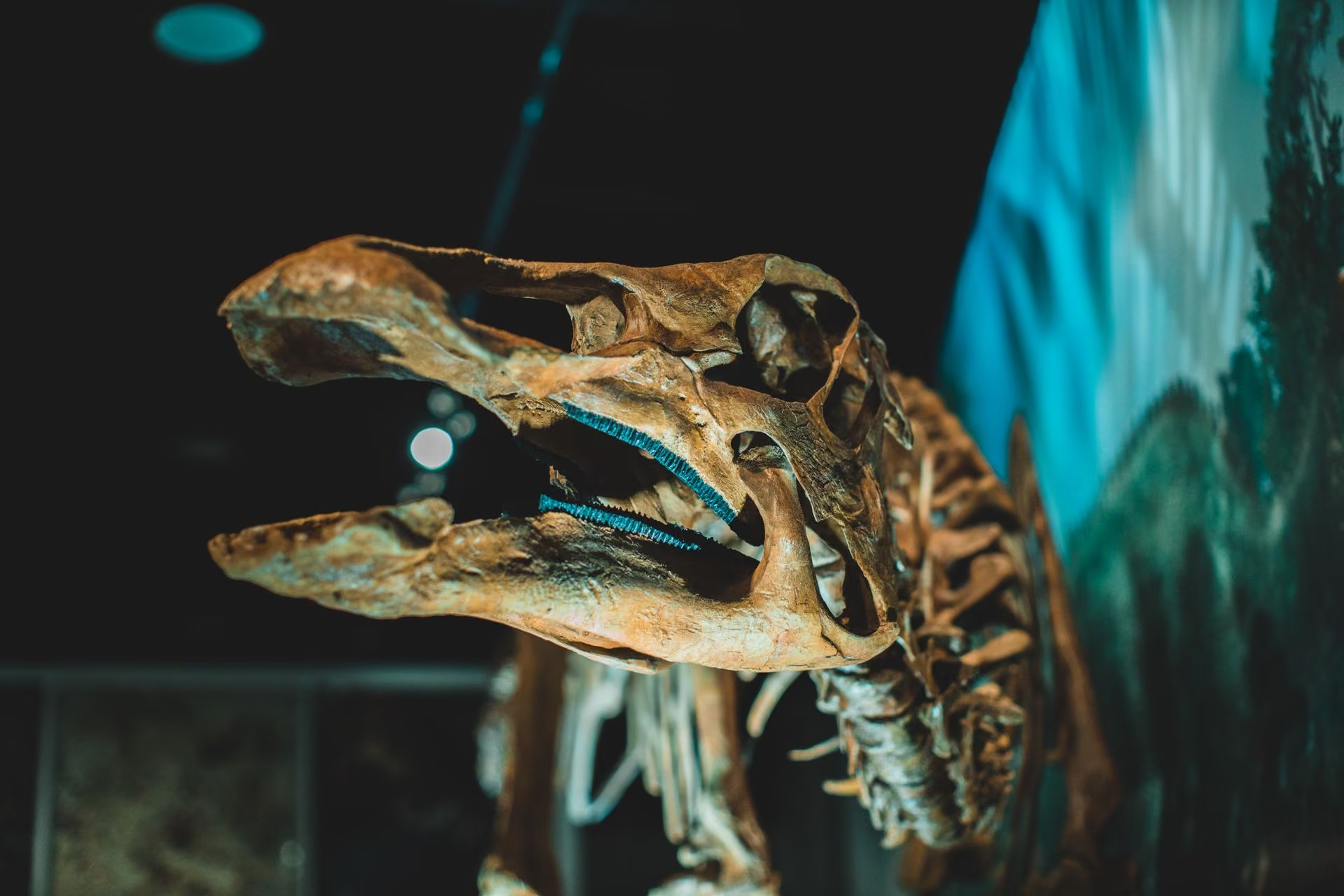
Scientists have described a new genus of plant-eating dinosaur that lived in southern England about 125 million years ago. Named Paludohadros proudlovii, the animal inhabited the muddy wetlands that covered much of the region at the time. The fossil has been within researchers' reach for about 25 years; the description has prompted a fresh look at other specimens in museum collections.
Size and habitat
The four-legged herbivore is estimated to have been about 5 metres long and to have weighed 1.5 to 2 metric tonnes, making it comparable to a rhinoceros. Its bones were not fully developed, so the individual was young when it died; an adult Paludohadros may have grown to about twice that size.
The dinosaur shared its Early Cretaceous environment with Baryonyx walkeri, a large two-legged carnivore found in the same Surrey quarry in 1983. Baryonyx is known for eating fish, but the discovery of a young iguanodontian in its last meal shows it also consumed other dinosaurs. Professor Susannah Maidment, senior author of the study, of the Natural History Museum in London and the University of Birmingham, said the Paludohadros fossil was found just 100 metres from the Baryonyx find. Maidment added that they cannot say for certain which species the young iguanodontian belonged to, so Baryonyx may have scavenged young Paludohadros remains, or even hunted them when it had the chance.
Background: iguanodontians
Paludohadros belongs to the iguanodontians, a widespread group of herbivores distinguished by their prominent thumb spikes. For many years, iguanodontian fossils from southern England were mostly assigned to Iguanodon or its smaller relative Mantellisaurus. A detailed 2023 study of Mantellisaurus by Natural History Museum researchers revealed overlooked anatomical differences. These differences helped identify separate iguanodontian dinosaurs such as Brighstoneus, Comptonatus, the sail-backed Istiorachis and now Paludohadros.
The new work also sent researchers back to old museum specimens. Several fossils collected as early as the 1950s turned out to belong to Paludohadros, meaning additional specimens had been stored long before anyone realised it was a separate genus.
The story behind the name
The original fossil was unearthed in 2001 at the Ewhurst brick and tile works in Surrey and later donated to the Natural History Museum. The genus name comes from the Latin word palus, meaning marsh, and reflects the wetland where it lived. The species name proudlovii honours Will Proudlove, who rose to quarry manager. He had a deep interest in the fossils that quarrying brought to light, and died aged 35 shortly before the dinosaur was found. He left behind his wife Rachael and their young children Ellie and Matt.
Rachael Proudlove said her husband had always been fascinated by dinosaur fossils and curious about what each layer of clay from the quarry might reveal. She noted that the dinosaur was found only a year after his death and that its story has been part of their lives ever since. Saying they were invited to watch the excavation in 2001, she described it as astonishing to learn after all this time that it was not just a new species but a new genus. She said they were very happy and honoured that Will's name and legacy would live on in this dinosaur.
Research continues
The study was carried out by Ricardo Sacamoto, a PhD student at the Natural History Museum in London and the University of São Paulo. Sacamoto plans to keep examining the museum's extensive iguanodontian collection for anatomical differences that could identify further unrecognised species. Saying this is the first species he has named and that he is honoured to have worked on it, he recalled the incredible moment he realised it was a new species no one had described before. He said his PhD work on the museum's iguanodontian collections could lead to more new dinosaur species being discovered.
Science guides
- What is climate change, and what are its causes and effects?Climate change is a lasting shift in Earth's long-term temperature and precipitation patterns. Today its main driver is greenhouse gas emissions from fossil fuels; effects include heatwaves, drought and sea level rise.
- What is artificial intelligence and how does it work?Artificial intelligence is a set of methods that let computers perform tasks normally requiring human intelligence, such as learning, pattern recognition, decision-making and language understanding. Most modern systems learn from examples in data.
- What is lodos, why does it occur, and what to do during a lodos warning?Lodos is the everyday Turkish name for a strong southwesterly wind. When a warning is issued, guard against roofs, glass, trees and sea hazards, and follow the Turkish State Meteorological Service (MGM).


Comments
Sign in to comment.