

Packaging material made from pistachio shells developed to delay food spoilage
Gaziantep University researchers used compounds from the red outer shell of pistachios to produce a biodegradable packaging material with potential to delay food spoilage.
· 2 min read
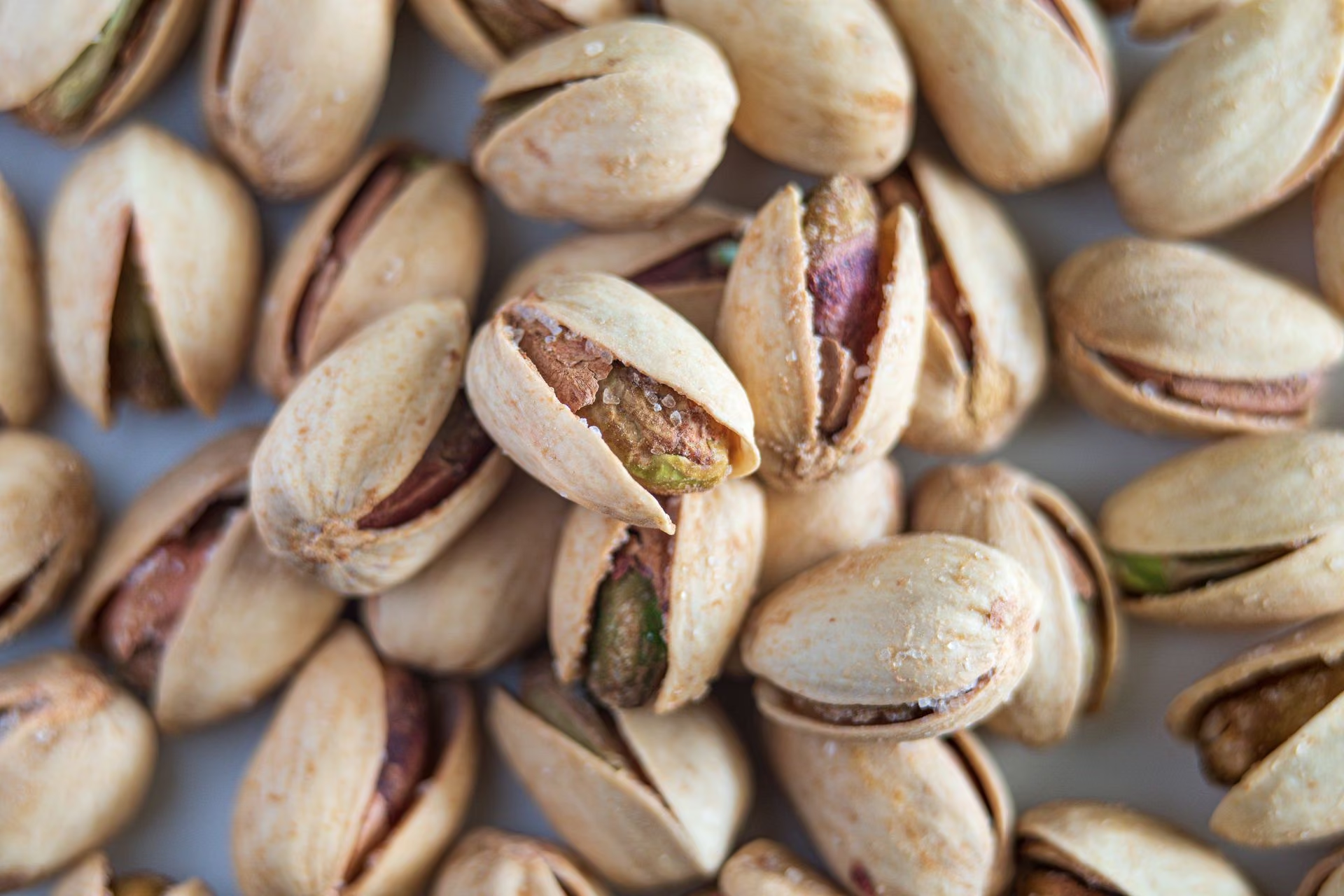
Researchers at Gaziantep University (GAÜN), working to bring waste from pistachio processing into the economy, developed a packaging material with potential to delay food spoilage using bioactive compounds obtained from the shells. The product has also been registered by the Turkish Patent and Trademark Office.
In the study, supported under Scientific Research Projects (BAP), the antioxidant and antimicrobial properties of the extract and essential oil from the shell were examined. Analyses showed that these compounds inhibited the growth of some microorganisms that cause food spoilage and had high antioxidant potential. The researchers then combined them with polycaprolactone, a biodegradable polymer, to produce the packaging material.
A high-value product from waste
Prof. Dr. Aysun Kepekçi of GAÜN's Department of Biology said they have worked on the project for about three years and aim to turn pistachio processing waste into a high-value product. Noting that Gaziantep is a major pistachio production center, which gives easy access to raw material, Kepekçi said they obtained extract and essential oil from the red outer shell and then tested their properties.
Kendisi atık olan, çöpe giden bir malzemeden biz katma değeri yüksek bir ürün elde ediyoruz. Elde ettiğimiz ürün de plastik ambalaja alternatif olma potansiyeli taşıyor.
Prof. Dr. Aysun Kepekçi
Kepekçi said that, given the high antioxidant potential of the compounds, they thought they could prevent oxidative spoilage in foods. She said the material is environmentally friendly because it is biodegradable, and that its antioxidant and antimicrobial properties can prevent spoilage and thus food waste.
Presented at COP31
Kepekçi said they presented the project as a digital poster at COP31 in Antalya and that the product has both environmental and economic potential.
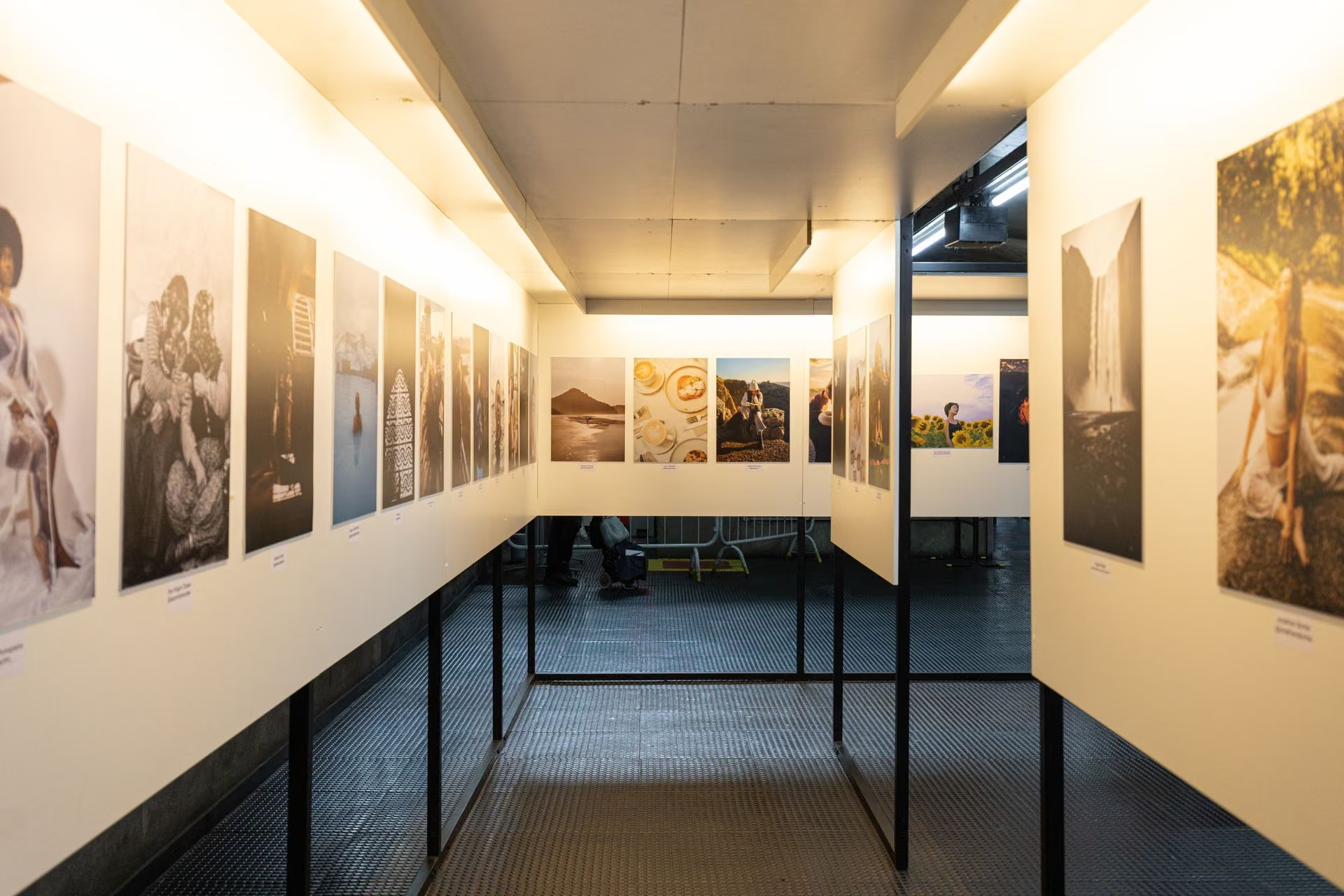
Bora Haber previously reported: Van develops AI-based solar energy platform that also accounts for air pollution and World Press Photo's "Down to Earth" climate exhibition opens in COP31 Green Zone.
Background and next step
The work is currently carried out at laboratory scale. Kepekçi said that after tests on different food products, they aim to bring the material into industrial use.
Guides on this topic
Science guides
- What is a meteor shower, and when and how can you watch one?A meteor shower happens when Earth passes through trails of dust left by a comet or asteroid, producing many “shooting stars.” Dark skies and patience are the keys to watching one.
- What is climate change, and what are its causes and effects?Climate change is a lasting shift in Earth's long-term temperature and precipitation patterns. Today its main driver is greenhouse gas emissions from fossil fuels; effects include heatwaves, drought and sea level rise.
- What is artificial intelligence and how does it work?Artificial intelligence is a set of methods that let computers perform tasks normally requiring human intelligence, such as learning, pattern recognition, decision-making and language understanding. Most modern systems learn from examples in data.

Comments
Sign in to comment.