

Van develops AI-based solar energy platform that also accounts for air pollution
A project developed in Van aims to forecast solar power output together with air pollution data. The platform will be presented at a COP31 session on 16 November.
· 2 min read
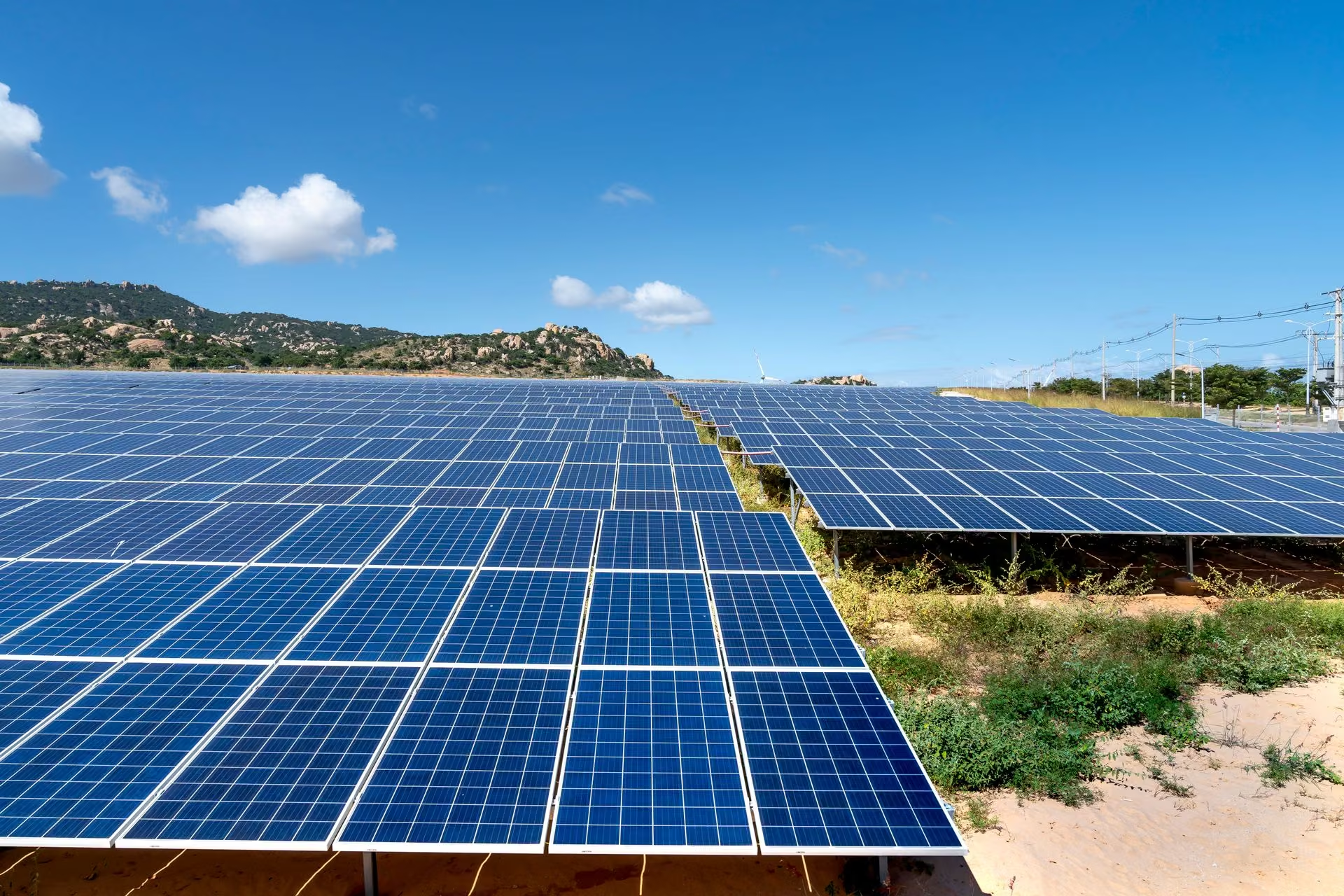
In Van, one of the provinces with many sunny days, an AI-based forecasting and energy management platform has been developed to make better use of solar energy. Biçek, who prepared the project 6 months ago, aims to predict output more accurately through the work titled "Explainable AI-Based Climate and Air Pollution-Aware Solar Energy Forecasting and Smart Energy Management Platform."
The project, supported by the university's Scientific Research Projects Coordination Unit, uses data from solar power plants in the city and on the university campus. While traditional systems focus on temperature, humidity, wind, cloud cover and sunshine duration, the new system also takes dust, smoke and pollutant particles into account. The plan is to determine the effect of air pollution on the radiation reaching solar panels.
The project will be presented at the 16 November session of the 31st Conference of the Parties (COP31) to the United Nations Framework Convention on Climate Change in Antalya.
How does pollution affect output?
Biçek said the energy panels produce depends not only on sunny or cloudy weather, but that dust, smoke and pollution in the air can directly affect output. He explained that even under clear skies, heavy dust or pollutant particles can keep part of the sunlight from reaching the panels, so less energy than expected is produced.
Yani sadece güneşin ne kadar parladığına değil, o güneş ışığının panellere ne kadar etkili ulaşabildiğine de bakıyoruz.
Biçek
Biçek said they want the AI not only to produce forecasts but also to explain their causes: when a drop in output is predicted, the system should show whether it stems from temperature, cloud cover or air pollution.
A smart system that offers recommendations
Citing the panels on the university campus, Biçek said the system will evaluate hourly production and consumption and can recommend running energy-intensive operations during hours of high output. If an unexpected drop in efficiency occurs, it can detect it and suggest cleaning or a technical check. The aim is to reduce energy losses and use available energy more efficiently.
The first applications are planned at the Van YYÜ campus. Meteorological data, air quality information and energy consumption data will be combined, and the AI models to be developed will be made monitorable through the smart energy management platform. Users will be able to see estimated production, possible efficiency losses and management recommendations on the platform.
Hedefimiz, sadece üniversitemizle sınırlı kalmayıp ilerleyen dönemlerde hastanelerde, kamu kurumlarında, sanayi tesislerinde ve güneş enerjisi santrallerinde de kullanılmasını sağlamaktır.
Biçek
Bora Haber previously reported: Türk Telekom builds COP31 communications infrastructure, expands solar investments and PM10 air pollution in Istanbul rose about 10% in October from a year earlier.
Guides on this topic
- What is climate change, and what are its causes and effects?Climate change is a lasting shift in Earth's long-term temperature and precipitation patterns. Today its main driver is greenhouse gas emissions from fossil fuels; effects include heatwaves, drought and sea level rise.
- What is a COP climate summit, and why does COP31 matter?COP is the annual decision-making body of the countries party to the UN Framework Convention on Climate Change. COP31 is held in 2026 in Antalya, Türkiye, with Australia presiding over the negotiations.
Technology guides
- How to get and renew your e-Devlet passwordYou get an e-Devlet password in person at a PTT branch with an ID document. If you forgot it, reset it with “Forgot my password” on e-Devlet Kapısı (Turkey's e-Government Gateway) or get a new one from PTT.
- How to view grades and absences on e-OkulSign in to the e-Okul Parent Information System with e-Devlet or a parent password, select the student, and open the grades or absences menu. Students can also check their own records.
- How to get a student certificate from e-DevletLog in to e-Devlet Kapısı (the Turkish e-Government Gateway), search for “öğrenci belgesi” (student certificate) and open the relevant service. The document is generated electronically; check the receiving institution's acceptance rules.


Comments
Sign in to comment.